
Griphosphaeria
Griphosphaeria
Description
Symptoms
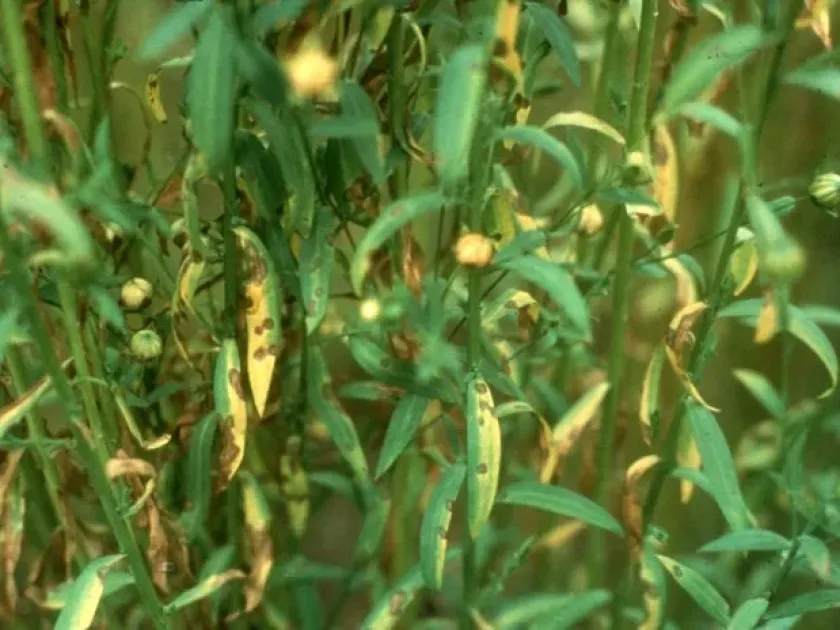
Initial symptoms of Griphosphaeria infection often include the development of necrotic spots on foliage, which eventually lead to premature leaf chlorosis and drop.
One of the hallmark signs is the appearance of small, dark, protruding fruiting bodies on the surface of branches or twigs, indicating the presence of the pathogen.
Infected branches may exhibit localized dieback, with bark cracking and the formation of canker-like structures that hinder nutrient transport within the plant.
The disease often progresses from the lower canopy upwards, especially in environments where humidity is trapped by dense foliage or lack of pruning.
Visual identification is also supported by the characteristic wilted appearance of leaves on infected branches while other parts of the plant appear healthy.
Pathogen
The fungus Griphosphaeria represents a genus of ascomycetes that are recognized as pathogens capable of colonizing various woody plants and shrubs.
The life cycle involves the formation of perithecia, where sexual spores are produced, enabling the fungus to survive and spread effectively across diverse environments.
It acts primarily as a facultative parasite, often taking advantage of tissues that have been weakened by environmental stress, mechanical injury, or poor management practices.
The mycelium resides within the bark and host tissues, allowing the pathogen to remain latent until conditions for colonization and reproduction become optimal.
Dissemination typically occurs through wind currents and rainfall, which carry the spores to susceptible new hosts or unaffected parts of the same plant.
Conditions for development
High humidity and prolonged periods of wet weather are the primary catalysts for the germination and successful establishment of Griphosphaeria infections.
Poor airflow within the canopy, often caused by overly dense planting or lack of proper pruning, creates a microenvironment conducive to fungal proliferation.
Moderate temperatures during the active growing season favor the rapid development of the pathogen and the subsequent release of infectious spores.
Plants under significant physiological stress due to improper irrigation, nutrient imbalances, or insect infestation are significantly more vulnerable to colonization.
The accumulation of dead organic matter around the base of the plant can serve as a reservoir for spores, facilitating yearly reinfection of the host.
Why it matters
Griphosphaeria infections cause systemic physiological damage by disrupting the plant's vascular tissues and reducing its overall photosynthetic capacity.
Repeated yearly infections can lead to severe weakening of the plant's structural integrity, causing stunted growth and increased susceptibility to other biotic stressors.
For commercial growers, the disease presents a significant economic burden due to reduced yields, lower plant quality, and the high cost of maintenance.
In nursery settings, the presence of the pathogen can lead to widespread loss of seedlings, complicating production and requiring extensive quarantine efforts.
Untreated infections often lead to the total decline and death of the plant, especially if the pathogen penetrates the main stem or crown of the specimen.
Protection
Sanitation is the most critical control measure; all infected or dead branches should be pruned back to healthy tissue and removed from the site immediately.
Implementing a rigorous pruning schedule helps improve canopy ventilation, reducing the moisture levels that the fungus relies on for survival.
Fungicidal applications, particularly those containing copper or systemic active ingredients, are essential for managing outbreaks and protecting vulnerable plants.
Balancing plant nutrition is vital, as overly lush or nutrient-deficient growth can make the plant more susceptible to fungal entry and establishment.
Regular inspection and early diagnosis are necessary to prevent the disease from spreading throughout the entire orchard or landscape garden.
Discussion
No discussions yet — be the first.