
Grapevine little leaf
Grapevine little leaf agent
Description
Symptoms
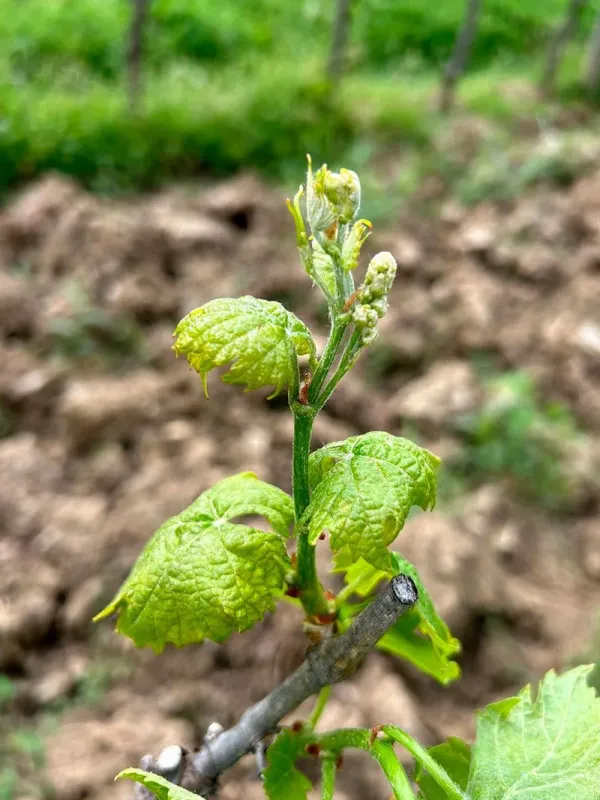
The main external symptom is a significant reduction in the size of leaf blades, which become small, asymmetrical, and deformed. A characteristic fan-like shape of the vine is often observed.
Leaves exhibit specific discoloration, such as interveinal chlorotic spots or general yellowing. The leaf margins become serrated, and the petiolar sinus becomes wide and open.
Shoots show severe shortening of internodes, giving the vine a bushy appearance. Increased formation of suckers is observed, which, together with small leaves, creates a dense canopy effect.
Flowers often shatter, and clusters become loose and small. Berries within these clusters ripen unevenly, vary in size, and their quantity decreases drastically.
The root system of infected plants develops poorly, leading to the stunted state of the entire vine, premature aging, and reduced winter hardiness.
Pathogen
Grapevine little leaf, often associated with infectious degeneration, is caused by a complex of viruses, the most prominent being the Grapevine fanleaf virus (GFLV). It is a nepovirus transmitted by soil-dwelling nematodes of the genus Xiphinema.
The pathogen belongs to the category of dangerous viruses, as viral particles systematically infect all plant organs. The virus persists in living grapevine roots remaining in the soil after the removal of infected vines, making it extremely persistent in agroecosystems.
The infection spreads rapidly through a vineyard via propagation material if taken from infected mother plants. Transmission also occurs during grafting if either the scion or rootstock carries the pathogen.
Mechanical transmission of the virus by pruning tools is less common but remains a risk during periods of active sap flow if shears are not disinfected. The virus disrupts plant metabolic processes at the cellular level.
The pathogen can remain in a latent form for a long time without showing visible signs, while still significantly reducing the overall immunity of the grapevine to other diseases.
Conditions for development
Disease development is favored by the presence of nematode vectors in the soil. They thrive in heavy, moist, and structured soils where high humidity is maintained in the root zone.
Viral transmission occurs during periods of active growth when sap flow is intense. Optimal soil temperatures for nematode activity accelerate the spread of the virus from root to root.
Improper viticultural practices, including mechanical damage to the root system during deep soil cultivation, facilitate the migration of nematodes to healthy vine roots.
The use of uncertified nursery stock is the main factor for initial infestation of new sites. The virus multiplies actively when nutritional balance is disrupted, especially with excessive nitrogen fertilization.
Climatic conditions characterized by mild winters and the absence of deep soil freezing favor the survival of nematode populations, providing a constant infectious background.
Why it matters
Little leaf causes a sharp decline in yields, which can range from 50 to 80 percent. Berries lose sugar content, become acidic, and are unsuitable for market.
Grapevines gradually lose viability, leading to premature plant death. The productive lifespan of a vineyard is reduced by half, and sometimes even more.
Infected plants become extremely sensitive to low temperatures and drought. The virus depletes the vine's energy reserves, making it impossible to produce quality yields in subsequent seasons.
Economic losses include not only lost production but also the need for complete replacement of infected plantations, as there is no cure for viral vine diseases in the field.
The disease disrupts wood formation processes, leading to brittleness of the vines and breakage under load, as well as reducing the success of shoot ripening before winter.
Protection
- Use only certified, virus-free nursery stock that has undergone strict sanitary control.
- Perform phytosanitary culling of infected vines with subsequent destruction, including deep root removal.
- Control soil pests, particularly nematodes, through crop rotation and the application of nematicides.
- Disinfect gardening tools after working with each vine using alcohol or sodium hypochlorite solutions.
- Follow strict quarantine measures when importing grapevine material from regions with unfavorable phytosanitary status.
Discussion
No discussions yet — be the first.