
Description
Symptoms
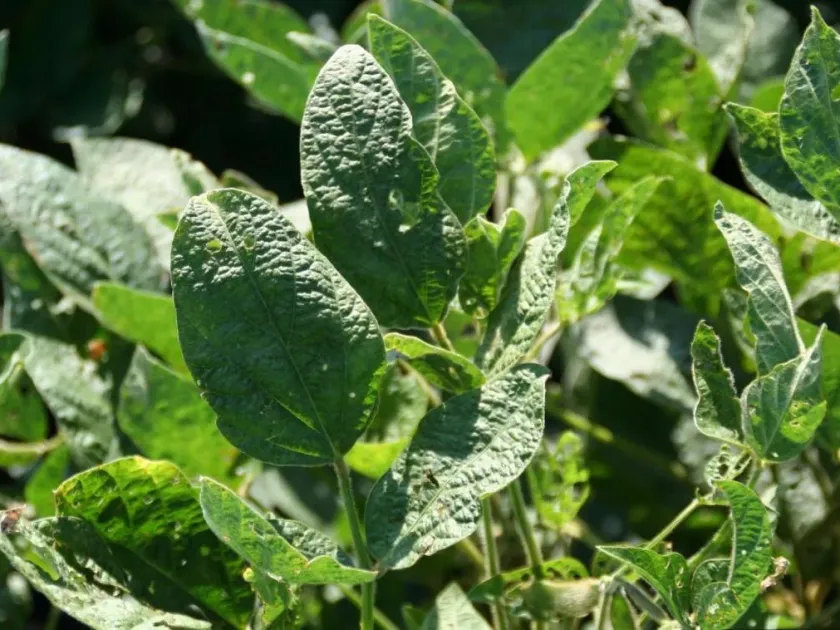
The hallmark symptom is a mosaic pattern on the leaves, characterized by irregular patches of light and dark green coloration. Leaves often exhibit distinct crinkling, puckering, and severe downward curling.
Infected plants frequently show significant stunting and shortened internodes, giving them a compact or dwarfed appearance compared to healthy plants. This reduction in vigor is consistent throughout the vegetative stage.
Seeds produced by infected plants often show characteristic mottling or discoloration, specifically around the hilum. In severe cases, the pigment can spread across the entire seed coat, significantly degrading grain quality.
Early-season infection leads to flower and pod abortion. The loss of reproductive structures is a major cause of yield reduction, as the plant fails to set a sufficient number of healthy, viable pods.
As the disease progresses, leaves may turn yellow or develop necrotic lesions. These physiological changes disrupt photosynthesis and general plant health, leading to premature senescence of the foliage.
Pathogen
The causative agent of this disease is the Soybean mosaic virus (SMV), a member of the Potyvirus genus. It is recognized as one of the most widespread and economically damaging viral pathogens affecting soybean crops globally.
The virus is primarily transmitted through two distinct channels: vertical transmission via infected seeds, which serves as the main source of primary inoculum, and horizontal transmission mediated by insect vectors, most notably various species of aphids.
SMV can survive in crop residues and leguminous weed species during the off-season. Once introduced into a healthy plant, the virus systemically invades the host, moving through the phloem to infect all plant tissues.
Symptoms are highly dependent on the soybean genotype, the specific viral strain present, and environmental conditions during the time of infection. Early infection typically results in the most severe damage to the crop.
Different strains of the virus exist, which vary in virulence and their ability to overcome specific resistance genes in modern soybean varieties, necessitating continuous breeding efforts.
Conditions for development
Moderate temperatures favor the disease as they promote the rapid population growth of aphid vectors. Conversely, extreme heat can sometimes reduce the activity of these vectors, slowing the spread of the virus.
The use of infected seed remains the most critical factor for disease introduction. When infected seeds are planted, the virus is already established in the field before insect vectors even arrive.
High-density planting creates an optimal microclimate for aphid migration and feeding. In crowded fields, the virus can spread from initial infected plants to neighboring healthy ones much more efficiently.
Proximity to perennial legumes, such as alfalfa or clover, increases the risk of infection. These plants act as long-term reservoirs for both the virus and the aphid populations that transmit it to soybean crops.
Wet spring conditions encourage the growth of alternative weed hosts, which support the virus population and provide a bridge for the infection to move into emerging soybean crops.
Why it matters
The primary economic impact of Soybean mosaic is a substantial reduction in seed yield. Depending on the infection rate and growth stage, yield losses can range from 10% to over 50% in affected areas.
Beyond yield quantity, the disease drastically reduces seed quality. The resulting grains often have lower germination rates and poor vigor, rendering them useless for future planting cycles.
The virus alters the nutritional profile of the beans, reducing oil and protein content. This decline in quality affects the industrial processing value and marketability of the harvested crop.
Infected plants display lower tolerance to environmental stress, including drought and nutrient deficiency. Their weakened state makes them less competitive against weeds and more prone to overall field decline.
The presence of SMV in seed production fields is devastating, as it disqualifies the grain from being used as certified seed, creating a cycle of infection that persists if not managed properly.
Protection
The cornerstone of disease management is the use of high-quality, certified, and virus-free seed. Ensuring that the initial planting material is healthy is the most effective preventative measure.
Monitoring aphid populations is essential. If insect populations exceed economic thresholds, the application of appropriate insecticides can help reduce the rate of secondary viral spread within the field.
Agronomic strategies such as spatial isolation from other leguminous crops and rigorous weed control in field margins can significantly decrease the inoculum pressure from external sources.
The development and deployment of resistant soybean cultivars represent the most sustainable and efficient long-term solution to mitigate the effects of the Soybean mosaic virus.
Proper crop rotation practices and field sanitation help break the virus's transmission cycle, effectively reducing the reservoir of the pathogen in the local agricultural environment.
Pathogens and affected parts
Affects crops · 1
Discussion
No discussions yet — be the first.