
Fusarium root rot of soybean
Fusarium tucumaniae
Description
Symptoms
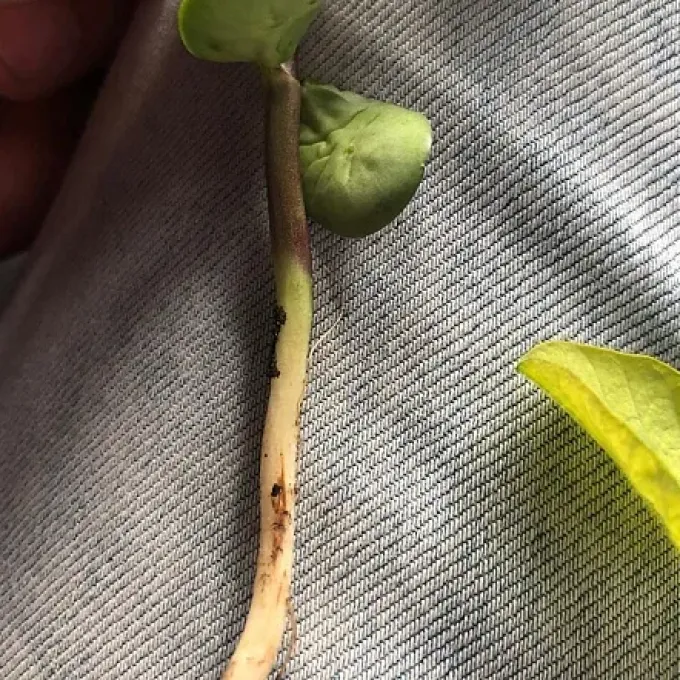
Symptoms often begin at the seedling stage, where infected seeds fail to germinate or young seedlings show signs of damping-off and rot on the hypocotyl.
Visible symptoms on older plants include a characteristic reddish-brown discoloration of the taproot, which may progress to extensive root necrosis and decay.
Above-ground symptoms manifest as stunting, chlorosis of the leaves, and premature wilting during dry periods due to the damaged root system's inability to supply water.
In cases of severe infection, the plant may show interveinal yellowing of the leaves, eventually leading to senescence and total plant death before the seed fill stage.
During humid conditions, a sparse, whitish to pinkish fungal mycelium may be observed at the base of the stem or near the soil surface on diseased tissue.
Pathogen
The disease is caused by the soil-borne fungus Fusarium tucumaniae. This pathogen is a highly specialized fungus that survives in the soil as chlamydospores or as mycelium within infected crop residues for several seasons.
It acts as a primary invader of soybean root systems, targeting the vascular tissues, which leads to a severe disruption of water and nutrient transport from the roots to the shoots.
The fungus is known for its ability to persist in diverse soil environments, making it a persistent threat in agricultural fields where soybeans are cultivated frequently.
Pathogen development is highly influenced by the presence of host plants, and it often works in conjunction with other soil-borne pathogens to weaken the crop's vigor.
Research confirms that this specific species of Fusarium has a significant impact on soybean physiology, particularly regarding root hair development and systemic resistance.
Conditions for development
The development of Fusarium root rot is heavily favored by cool, wet soil conditions early in the planting season, which slow down soybean seedling emergence.
Soil compaction serves as a major risk factor, as it limits oxygen availability to the roots, creating anaerobic pockets that promote the growth of Fusarium fungi.
High soil acidity (low pH) is frequently associated with increased disease severity, making it a critical factor for soil management in affected regions.
Continuous cropping of soybeans in the same field creates an ideal environment for the buildup of the inoculum in the topsoil, increasing the probability of widespread infection.
Physical damage to the root system, whether caused by nematodes or improper cultivation, allows the fungus to enter the plant tissues more efficiently.
Why it matters
The economic impact of the disease is significant, primarily due to stand loss and the overall reduction in the plant's ability to reach its maximum yield potential.
Infected plants produce fewer and smaller seeds, which directly decreases the market quality and nutritional value of the harvested soybean crop.
The root rot interferes with nitrogen fixation by damaging the nodule-forming capacity of the soybean roots, leading to inherent plant stress and nutrient deficiency.
Large patches of dead or stunted plants in a field result in inefficient land use and increased harvesting costs due to uneven crop maturity.
If left unmanaged, the pathogen population can increase to levels where soybean production becomes economically non-viable in certain field segments.
Protection
Seed treatment with high-quality fungicides is the first line of defense, providing essential protection for the seeds and seedlings during the vulnerable germination phase.
Effective crop rotation, utilizing non-host crops like corn or small grains, is highly recommended to starve the fungus and reduce the soil inoculum pressure over time.
Optimizing soil conditions through adequate drainage and deep tillage helps improve root health and reduces the stress that makes plants susceptible to infection.
Choosing resistant or tolerant soybean varieties is a critical strategy for integrated pest management, especially in areas with a history of Fusarium pressure.
Proper nutrient management, ensuring sufficient potassium and phosphorus, supports robust plant growth and enhances the soybean crop's natural tolerance to fungal attacks.
Discussion
No discussions yet — be the first.