
Fusarium wilt lutulatum
Fusarium lutulatum
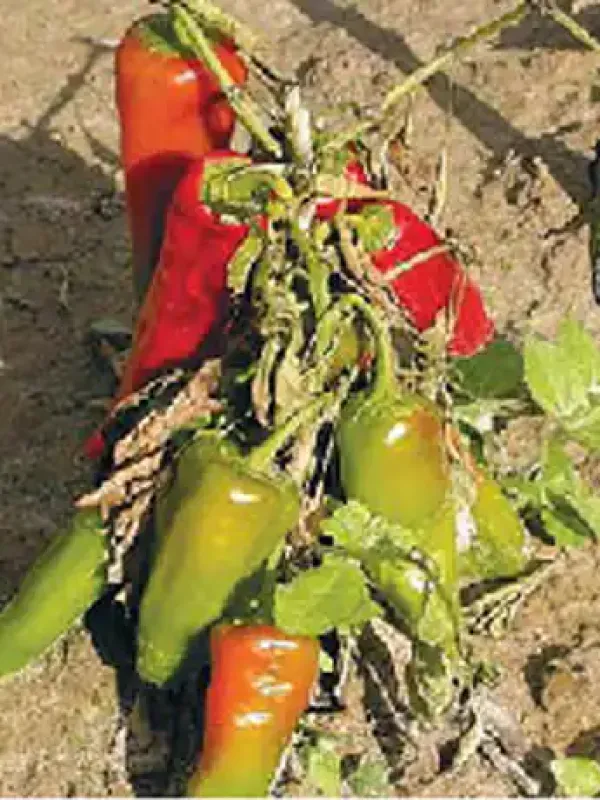
Description
Symptoms
The first external symptom is typically a loss of turgor, with leaves wilting during the hottest parts of the day while potentially recovering at night.
Over time, the wilting becomes irreversible, accompanied by progressive chlorosis that begins at the base of the plant and moves upwards.
Cutting the stem or root reveals a diagnostic sign: the vascular bundles show a distinctive brown or dark discoloration due to the fungal blockage.
Under conditions of high humidity, a delicate, white or pinkish fungal mycelium may appear on the surface of the stem near the soil line.
- Wilting and drooping of foliage
- Stunting of growth
- Yellowing and necrosis of leaves
- Vascular browning inside the stem
- Premature plant death
Pathogen
The causative agent of the disease is the fungus Fusarium lutulatum, a member of the diverse Fusarium genus. It is a soil-borne pathogen capable of persisting in the soil for extended periods as chlamydospores.
The fungus is highly specialized, targeting the vascular system of various plants and inducing systematic infection through colonization of the xylem tissue.
Infection primarily occurs through root tissues, where the fungus accesses plant cells and spreads upward, colonizing the plant's water-conducting vessels.
Once inside, Fusarium lutulatum secretes toxic metabolites that inhibit the flow of water and nutrients, leading to physiological collapse of the plant.
The mycelium eventually clogs the xylem, causing structural damage that physically blocks essential transport processes, leading to permanent wilting.
Conditions for development
The pathogen thrives in warm soil conditions, with temperatures ranging from +22 to +28 degrees Celsius, which are optimal for mycelial growth.
Excessive soil moisture, combined with poor drainage, creates a favorable environment for the proliferation of the fungus and its spread through the roots.
Fluctuating soil pH levels and nutrient imbalances can weaken plant defense mechanisms, making them more susceptible to colonization.
Continuous cropping of the same species in the same soil significantly increases the inoculum density of the fungus, making future outbreaks more severe.
Root-knot nematodes or other soil-dwelling pests often create entry wounds that drastically increase the infection success rate of the pathogen.
Why it matters
The disease causes significant economic losses by killing plants prematurely, which results in partial or total crop failure.
Because the fungus resides deep within the vascular tissue, it is shielded from many topical treatments, making the disease notoriously difficult to eradicate.
Quality of the harvested product is severely compromised, and contamination with fungal toxins presents significant food safety risks for consumers.
Land infested with Fusarium lutulatum remains a risk for several years, often forcing farmers to abandon fields or switch to non-susceptible crops.
Management efforts require significant investment, reducing the profitability of the agricultural operation during years of high disease pressure.
Protection
Implementing a strict multi-year crop rotation is the most effective cultural practice to reduce the population of Fusarium in the soil.
Choosing resistant cultivars is crucial, as genetic resistance provides the most reliable defense against vascular wilt diseases.
Seed treatment using systemic fungicides can protect young plants during the most vulnerable period immediately after germination.
Bio-control agents, such as specific strains of Trichoderma, can be used to outcompete and suppress the growth of the pathogen in the root zone.
Maintaining optimal soil fertility and managing water levels prevents stress, which helps plants maintain their natural defenses against fungal invasion.
Discussion
No discussions yet — be the first.