
Beefsteak fungus
Fistulinales
Description
Symptoms
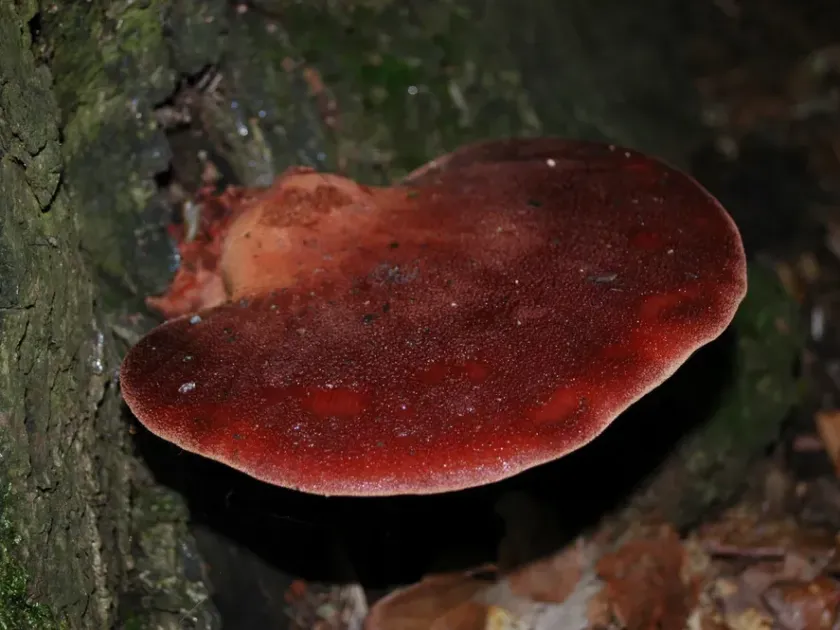
The most distinctive sign is the emergence of fleshy, tongue-shaped fruiting bodies with a reddish-brown color on the tree trunk. Their texture is reminiscent of raw meat, which is why the fungus is so named.
Affected wood displays a characteristic brown discoloration. Over time, the wood loses its tensile strength and splits into cubical fragments, a clear indicator of brown heart rot.
Bark cracks and localized depressions often appear on the stem. In the areas where the fungus emerges, the wood may seem abnormally moist or soft to the touch.
A hollow sound when tapping the trunk is a common symptom, indicating that the fungus has created significant cavities within the tree, compromising its structural integrity.
- Appearance of reddish, tongue-shaped fruiting bodies.
- Brown discoloration of the wood structure.
- Cubical cracking (brittle decay) of the heartwood.
- Development of hollows and cavities in the trunk.
- General decline in tree vigor and premature wilting.
Pathogen
The causative agent of the disease is the fungus Fistulina hepatica, belonging to the class of Basidiomycetes. Often known as the beefsteak fungus, it is named for its fleshy, red, and jelly-like appearance.
This fungus acts primarily as a saprotroph, colonizing decaying wood, but it can also manifest as a facultative parasite, causing a significant type of brown rot known as brown heart rot in various broad-leaved trees.
The mycelium of the fungus infiltrates the inner wood through mechanical wounds, pruning cuts, or frost cracks. It gradually decomposes the wood's structural components, such as cellulose and lignin.
The life cycle involves the production of spores, which are dispersed by wind or insects. When these spores settle on exposed wood surfaces, they germinate, forming a new colony within the tree's heartwood.
Fungal infection is often a slow, chronic process. The internal decay can be extensive long before any visible signs appear on the outer surface of the tree bark.
Conditions for development
The growth of this fungus is promoted by high humidity and moderate temperatures. The peak periods for spore production and colonization occur during the warmer months and early autumn.
The primary prerequisite for infection is the presence of exposed wood tissue. Wounds from broken branches, improper pruning, or sunscald create ideal entry points for the pathogen.
Trees that are physically stressed, nutrient-deficient, or grown in poor soil conditions are significantly more susceptible to successful colonization by the fungus.
Lack of airflow within a dense canopy or orchard keeps humidity levels high for extended periods, creating a favorable microenvironment for the germination of fungal spores.
Neglected landscapes with large amounts of dead wood, old stumps, and decomposing logs provide a constant reservoir of spores that can easily spread to healthy, living trees.
Why it matters
The main threat is the development of brown rot, which hollows out the tree's interior. This weakening of the structural heartwood creates a high risk of the tree collapsing during storms.
The fungus negatively impacts the tree's metabolism, resulting in reduced fruit production, inferior quality of yields, and eventual death of the affected specimen.
Wood colonized by the beefsteak fungus loses its mechanical strength and commercial value, making it unsuitable for timber or professional carpentry work.
The chronic nature of the disease makes early detection difficult, often leading to a situation where the entire tree must be removed to prevent safety hazards.
The spread of spores to surrounding healthy trees in the vicinity creates long-term management challenges and necessitates regular monitoring of all trees in the area.
Protection
Prevention is the best strategy. All pruning cuts and mechanical wounds should be immediately protected with appropriate wound sealants or fungicidal pastes to prevent fungal entry.
Regular monitoring of trees is essential. If fruiting bodies are spotted, they must be removed and burned immediately to prevent the release and spread of airborne spores.
Proper orchard hygiene is critical. This includes the removal of old, infected stumps and dead branches that can serve as breeding grounds for the fungus.
Maintaining tree health through proper fertilization and watering improves the natural defense mechanisms, making it harder for the pathogen to establish a foothold.
In cases of severe infection where structural integrity is compromised, the tree should be professionally removed, including the stump, to eliminate the source of infection from the site.
Discussion
No discussions yet — be the first.