
Filosea
Filosea
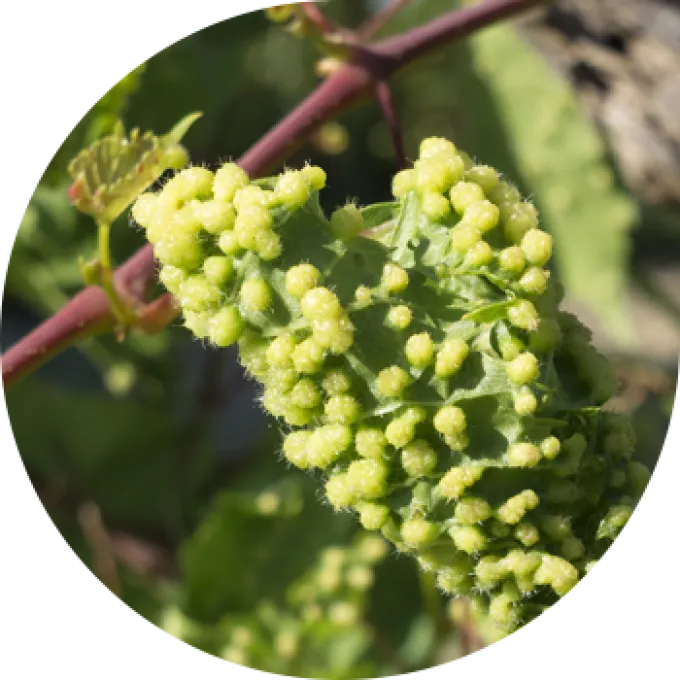
Description
Symptoms
Initial symptoms of Filosea typically appear as small, chlorotic spots on the leaves. These spots are often circular or irregular in shape and may be surrounded by a pale halo.
As the infection advances, the central portions of the spots become necrotic, turning brown or gray. In many cases, the dead tissue may dry out and crack, giving the leaves a ragged appearance.
In humid conditions, a fuzzy growth or a fine layer of spores may be visible on the surface of the lesions. This fungal mass is a key diagnostic feature for confirming the presence of the disease.
Severe infestations cause leaves to yellow and wilt prematurely, leading to early abscission. This significantly reduces the photosynthetic area of the plant, hindering its growth and development.
In addition to leaves, stems and petioles can sometimes exhibit elongated lesions, which may girdle the tissue and impede the transport of water and nutrients throughout the plant.
Pathogen
Filosea (lat. Filosea) is a type of fungal disease caused by specific pathogenic microorganisms that target various plant species. These pathogens primarily affect the foliage, leading to physiological disruptions.
The causative agent persists in the environment by over-wintering in crop residues and fallen leaves. As temperatures rise in spring, the fungus begins its reproductive phase, releasing spores into the air.
Spore dissemination occurs via wind, water splashes, and physical contact with contaminated tools or insect vectors. Once they land on a host, they germinate and penetrate the plant's cuticle.
Inside the plant tissue, the mycelium spreads through the intercellular spaces, secreting enzymes that degrade plant cells. This process effectively starves the host and interferes with essential metabolic functions.
The life cycle of the pathogen is highly dynamic, allowing it to produce multiple generations of spores within a single growing season if environmental conditions remain favorable.
Conditions for development
High humidity and consistent moisture on leaf surfaces are the primary drivers for the development of Filosea. Frequent rainfall or heavy dew significantly increases the risk of an outbreak.
The fungus thrives within a temperate range, typically between 18°C and 25°C. These conditions allow for rapid colonization of host tissues and facilitate widespread spore germination.
Poor aeration in dense plantings or greenhouse environments creates a stagnant microclimate that is ideal for the rapid spread of the pathogen from plant to plant.
Plants under stress from poor nutrition, drought, or previous pest damage are generally more susceptible to infection, as their natural defenses are weakened.
The presence of water-soaked tissue from mechanical damage or physiological stress provides easy entry points for the fungal hyphae to penetrate deeper into the plant structures.
Why it matters
The economic impact of Filosea is substantial, primarily due to the loss of photosynthetic efficiency. This leads to stunted growth, reduced vigor, and lower yields in both quality and quantity.
Plants affected by the disease have difficulty storing energy, which negatively impacts the size, flavor, and shelf life of the fruits or vegetables produced.
For perennial crops, repeated infection weakens the plant's structural integrity and ability to survive the winter, potentially leading to long-term decline or death of the specimen.
The presence of lesions also makes the plant more vulnerable to secondary pathogens, such as soft rot bacteria, which capitalize on the compromised plant defenses.
Management costs, including fungicide applications and increased labor for sanitation, add to the overall economic burden of dealing with the disease in commercial agriculture.
Protection
Integrated Pest Management (IPM) is essential for controlling Filosea. This includes crop rotation to break the pathogen's life cycle and the removal of infected debris to reduce the inoculum load.
Selecting and planting resistant or tolerant cultivars is the most effective long-term strategy for preventing disease outbreaks in large-scale operations.
Proper plant spacing and canopy management improve airflow and sunlight penetration, which helps keep foliage dry and creates an environment less conducive to fungal growth.
Fungicide treatments, including both contact and systemic formulations, should be applied preventatively or upon the first signs of infection to stop the disease from spreading.
Maintaining optimal soil fertility and balanced nitrogen levels helps boost plant immunity, making them more resilient against fungal colonization throughout the growing season.
Discussion
No discussions yet — be the first.