
Euglenoid plant diseases
Euglenozoa
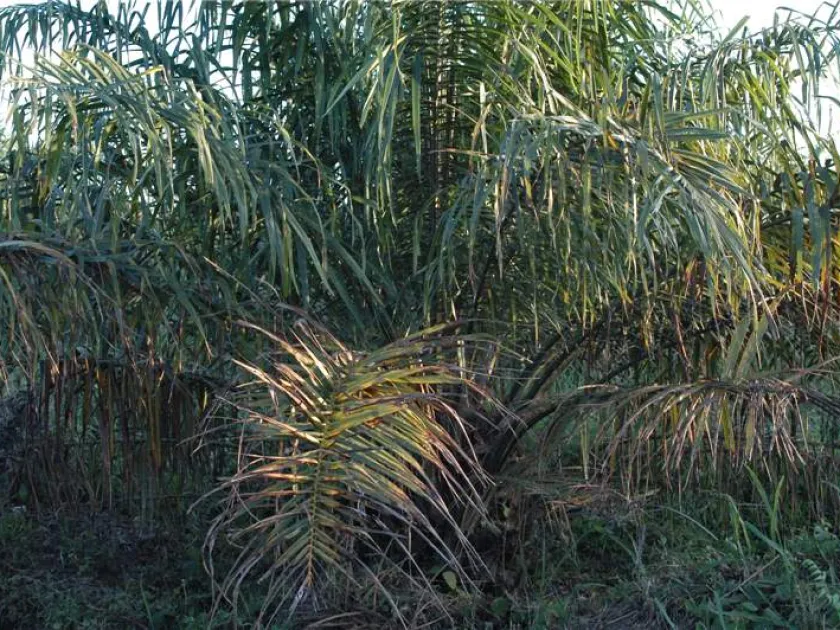
Description
Symptoms
Characteristic symptoms include progressive chlorosis, where leaves turn yellow due to the impairment of nutrient and water transport by the pathogen.
Stunted growth, wilting of branches, and general loss of plant vigor are common indicators that the vascular system has been compromised.
In many affected species, deformation of leaves and flowers occurs, alongside the development of necrotic lesions on stems and petioles.
Fruit development is often severely affected, resulting in smaller, malformed yields or total crop failure if the infection occurs early in the season.
Laboratory diagnosis involves microscopic observation of the plant sap to identify the characteristic flagellated bodies of the pathogen.
Pathogen
Euglenozoa are a diverse group of flagellated protozoa, including specific genera such as Phytomonas that are known to parasitize the phloem and xylem of various plants.
These organisms are unique intracellular parasites that inhabit the vascular system of the host plant, disrupting its normal physiological functions.
The transmission of these pathogens is almost exclusively mediated by insect vectors, such as hemipteran bugs, which introduce the parasite while feeding on plant sap.
Unlike fungi or bacteria, these pathogens are motile and can actively move within the plant's fluid transport system, causing systemic infection.
Scientific research into plant-associated Euglenozoa remains critical for understanding their complex life cycles and specific interactions with various host tissues.
Conditions for development
The spread of Euglenozoa-related diseases is heavily dependent on the presence and activity of suitable insect vectors in the agricultural environment.
Warm and humid climatic conditions favor both the reproduction of insect vectors and the metabolic activity of the protozoan parasites within the plant.
High-density planting and monoculture systems facilitate the rapid transition of the pathogen from infected plants to healthy ones.
Lack of proper field sanitation, including the presence of weedy hosts, allows the pathogen to survive and persist between cropping seasons.
Environmental stress on crops often exacerbates the symptoms of the infection, making the plants more susceptible to systemic failure.
Why it matters
The economic harm caused by Euglenozoa is significant, often leading to reduced yields and loss of marketable quality in commercial fruit and vegetable production.
Systemic damage to the vascular tissue renders the plant incapable of effectively transporting sugars and essential minerals, leading to decay.
Severe infestations often necessitate the total destruction of infected blocks of crops to stop the disease from spreading to adjacent healthy fields.
Costs associated with vector control programs add a heavy financial burden to producers attempting to maintain productivity in affected areas.
Trade restrictions can be imposed on agricultural products from regions where these protozoan pathogens have become endemic.
Protection
Management focuses primarily on the eradication of infected plant material and rigorous control of insect vector populations.
Regular monitoring of crop fields for early signs of wilting or chlorosis allows for the prompt removal of infected individuals.
Implementing strict sanitation practices, such as controlling weeds that may serve as reservoirs for the pathogen, is essential for prevention.
Using certified, disease-free planting material is the most reliable way to avoid the introduction of these parasites into new cultivation areas.
- Integrated Pest Management (IPM) to control vectors.
- Quarantine measures for affected regions.
- Ongoing field surveillance and laboratory diagnostics.
Discussion
No discussions yet — be the first.