
Green euglena
Euglena viridis
Description
Symptoms
The primary symptom of infestation is the formation of a dense, bright green or brownish film on the surface of the soil or growing medium.
In greenhouses, this organism causes soil blooming, creating a slimy surface layer that severely restricts air exchange in the root zone.
Affected seedlings exhibit stunted growth, yellowing of the lower leaves, and a general decline in vigor due to root oxygen deprivation.
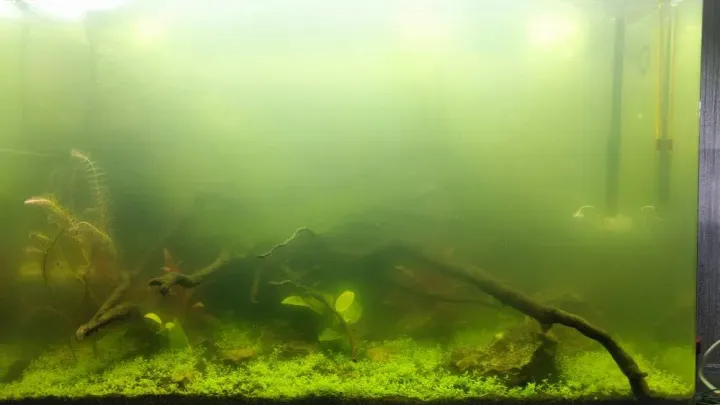
In hydroponic systems, the presence of Euglena is indicated by cloudy nutrient solutions and the buildup of green slime on pipes and roots.
As the soil dries, the infestation forms a hard, brittle crust that can cause physical damage to young, delicate roots.
Pathogen
The causative agent is Euglena viridis, a single-celled flagellate that shares characteristics of both plants and animals.
The organism contains chloroplasts, allowing it to perform photosynthesis when exposed to light on the soil surface.
While not a traditional plant pathogen, it competes aggressively with crops for essential mineral nutrients and oxygen in the growing medium.
It possesses mixotrophic nutrition, meaning it can survive through both photosynthesis and the absorption of organic matter from the environment.
The organism is highly resilient, capable of forming dormant cysts to survive unfavorable environmental conditions.
Conditions for development
Rapid development is favored by constant soil moisture, high light intensity, and temperatures above 18 degrees Celsius.
High concentrations of nitrogen and phosphorus in potting mixes create an ideal growth environment for the rapid colonization of the soil surface.
Poor ventilation in greenhouse structures leads to stagnant, humid air, which promotes the expansion of Euglena colonies.
Using contaminated water from open sources for irrigation is a primary method for introducing the organism into crop environments.
Lack of surface aeration prevents the natural drying of the soil, maintaining the conditions necessary for biofilm formation.
Why it matters
The main damage is caused by the physical barrier created on the soil surface, which suffocates roots by blocking vital gas exchange.
Euglena colonies consume significant amounts of plant nutrients, depleting the root zone and limiting the resources available to the crop.
Metabolic waste products can alter the soil pH and create a toxic environment that inhibits the development of young seedlings.
The slime layer acts as a substrate for other pathogens, such as molds, which can cause secondary infections in weakened plant tissues.
Heavy infestation reduces the marketability and survival rate of transplants, leading to significant financial losses for greenhouse operations.
Protection
The most important control strategy is maintaining proper irrigation practices and improving ventilation to ensure the topsoil remains dry.
Regularly loosening the top layer of the growing medium interrupts the surface film and significantly hinders the proliferation of the organism.
Preventative measures include steam sterilization of soil mixes before sowing to eliminate dormant forms of the pathogen.
Applying a thin layer of sand or perlite as a top-dressing restricts light penetration, effectively inhibiting photosynthesis for the Euglena.
If an outbreak occurs, removing the top layer of contaminated soil and disinfecting surfaces is essential for restoring a healthy growing environment.
Discussion
No discussions yet — be the first.