
Euglena gracilis
Euglena gracilis
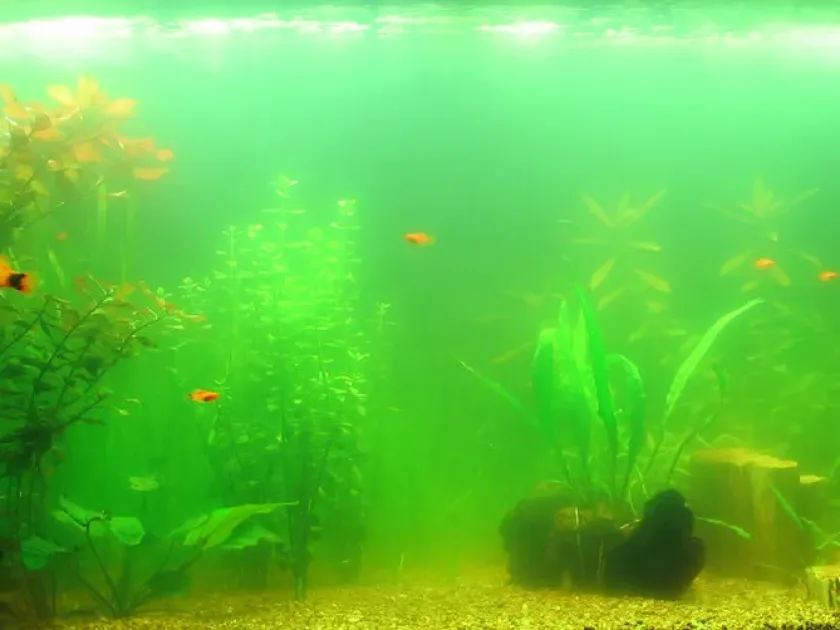
Description
Pathogen
Euglena gracilis is a single-celled flagellated protist. While not a conventional plant pathogen, it is a significant organism in the context of agricultural water management and hydroponic cultivation.
The organism is mixotrophic, meaning it can photosynthesize like a plant when light is available and ingest organic matter in the dark. This dual strategy allows it to thrive in diverse and often polluted environmental conditions.
In agronomy, the presence of Euglena gracilis serves as a biological indicator of high nitrogen and phosphorus levels in irrigation ponds or reservoirs, often resulting from field runoff.
Although it does not infect crops directly, it poses a challenge for systems relying on recycled water. In hydroponics, it competes with target plants for dissolved mineral nutrients, potentially stunting crop growth.
The organism is globally recognized for its resilience and ability to adapt to varying chemical environments, making it a persistent presence in agricultural water infrastructure.
Conditions for development
The proliferation of Euglena gracilis is driven by eutrophication. High concentrations of nitrates and phosphates in stagnant water facilitate rapid population growth.
Temperature plays a crucial role, with optimal growth occurring between 20°C and 25°C. Intense sunlight during summer months triggers the formation of visible green films on the water surface.
Stagnant water conditions are ideal for its development. Flowing water systems are generally less susceptible, as movement disrupts the ability of the organism to form dense colonies.
The organism is highly tolerant of varying pH levels, allowing it to adapt to water bodies that have been altered by chemical fertilizers or other agricultural inputs.
Encystment allows the organism to survive long periods of drought. These cysts remain viable in dry soil or irrigation canal sediments for years, activating immediately upon rehydration.
Why it matters
The primary agricultural impact is the clogging of irrigation systems, particularly micro-drip emitters. The accumulation of cells blocks narrow passages, resulting in uneven water distribution.
In hydroponic setups, the bloom of this organism shades the root zone and competes for dissolved oxygen and essential nutrients, which can negatively impact the final crop yield.
Rapid die-off cycles can lead to sudden oxygen depletion in water reservoirs. This biological instability can endanger the quality of irrigation water and the health of any aquatic life present in the pond.
Secreted metabolites from a high density of Euglena can alter the chemical composition of irrigation water, potentially stressing young seedlings during the initial growth phase.
Farmers face increased maintenance costs for filtration systems. The constant need for cleaning or replacing filters due to algal buildup represents a recurring operational expense.
Protection
Prevention relies on effective nutrient management to reduce runoff into water bodies. Implementing vegetative buffer strips around irrigation ponds helps capture excess fertilizers.
For closed-loop systems, ultraviolet (UV) sterilization is a highly effective way to eliminate Euglena cells before they enter the irrigation network.
Maintaining water circulation via aerators or pumps prevents the formation of stagnant zones where algae typically thrive, thereby inhibiting bloom initiation.
Biological control, such as introducing natural filter feeders like daphnia, can help manage algal levels in farm ponds without the use of synthetic chemicals.
Mechanical filtration and regular sediment removal from irrigation channels are essential preventive measures to eliminate the reservoir of cysts that drive seasonal blooms.
Discussion
No discussions yet — be the first.