
Powdery mildew
Erysiphomycetidae
Description
Symptoms
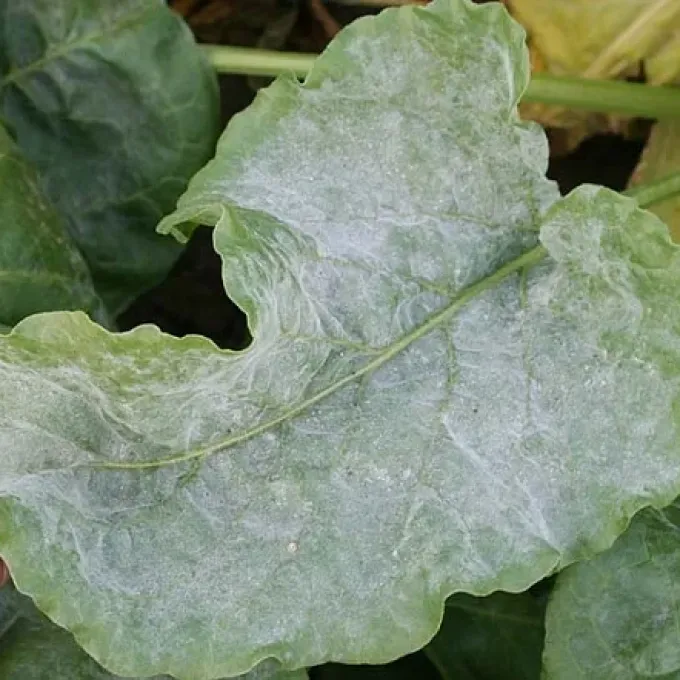
The most recognizable symptom is the appearance of white, powdery spots on leaves, stems, and buds. Initially, these appear as small, isolated patches, but they eventually merge to cover large areas of the plant surface.
As the infection progresses, the white patches may turn gray or brownish. In some cases, tiny black dots—the fungal fruiting bodies—become visible to the naked eye within the mat of mycelium.
Affected leaves often turn yellow, curl, and wither prematurely. New shoot growth may become stunted, distorted, or twisted due to the nutrient drain caused by the fungus.
Flowers and buds infected by powdery mildew may fail to open or may appear deformed. This significantly reduces the aesthetic value of ornamentals and the fruit-bearing potential of crops.
Severe infestations on fruit can cause cracking or premature drop, rendering the harvest unmarketable and susceptible to further rot.
Pathogen
Powdery mildew is a common fungal disease caused by various species belonging to the order Erysiphales (class Erysiphomycetidae). These fungi are obligate parasites, meaning they require living host tissue to complete their life cycle.
They affect a vast range of plants, including cereals, vegetables like cucumbers, fruits such as grapes, and numerous ornamental flowers. Each powdery mildew species often has a specific host range, but they share similar pathogenic characteristics.
The fungus spreads primarily via conidia, which are wind-dispersed spores. Many species also produce cleistothecia, specialized fruiting bodies that help the fungus survive unfavorable conditions or winter on plant debris.
The mycelium grows on the surface of the plant epidermis. The fungus sends specialized structures called haustoria into the plant cells to extract nutrients, which weakens the host plant significantly.
This surface growth disrupts essential physiological processes, leading to reduced vitality and slowed development of the infected plant.
Conditions for development
Powdery mildew thrives in conditions characterized by fluctuating temperatures and humidity. It prefers moderate temperatures (around 18°C to 25°C) and high humidity levels.
Poor air circulation, often caused by overcrowding plants or improper spacing, creates a stagnant microclimate that allows spores to germinate and infect plants rapidly.
Excessive nitrogen fertilization often leads to succulent, rapid growth, which is highly susceptible to fungal penetration and colonization.
Shade or poor lighting conditions also weaken the plant's natural defenses, making it easier for the Erysiphales fungi to establish a successful infection.
In greenhouses, powdery mildew is particularly difficult to control because the environment often remains consistently favorable for the fungus year-round.
Why it matters
The primary damage caused by powdery mildew is the loss of photosynthetic efficiency. Because the leaf surface is covered in mycelium, the plant cannot absorb sufficient sunlight for energy production.
This deficit in energy leads to stunted plant growth, reduced yields, and lower overall quality of produce, such as smaller or misshapen fruits and vegetables.
In perennial crops, the infection can impair the plant's ability to store energy for the winter, leading to reduced cold hardiness and potential winterkill of affected branches.
Heavy infections lead to premature leaf drop, which can leave a plant vulnerable to sunscald and other environmental stresses.
The economic impact is substantial, involving both direct losses of harvest and the high cost of persistent fungicide applications required to manage the disease.
Protection
Managing powdery mildew requires an integrated approach that focuses on both cultural practices and chemical intervention when necessary.
Proper sanitation is essential: removing and destroying infected plant material significantly reduces the inoculum level for the following growing season.
Improving air circulation through proper pruning, spacing, and greenhouse ventilation is a key preventive strategy that keeps humidity levels manageable.
Chemical control involves the use of fungicides, including sulfur-based products, triazoles, or strobilurins, which are effective in inhibiting fungal growth and spore production.
Using resistant cultivars is the most sustainable and efficient way to prevent powdery mildew outbreaks, especially in areas with a history of recurring infections.
Discussion
No discussions yet — be the first.