
Elsinoe scab
Elsinoaceae
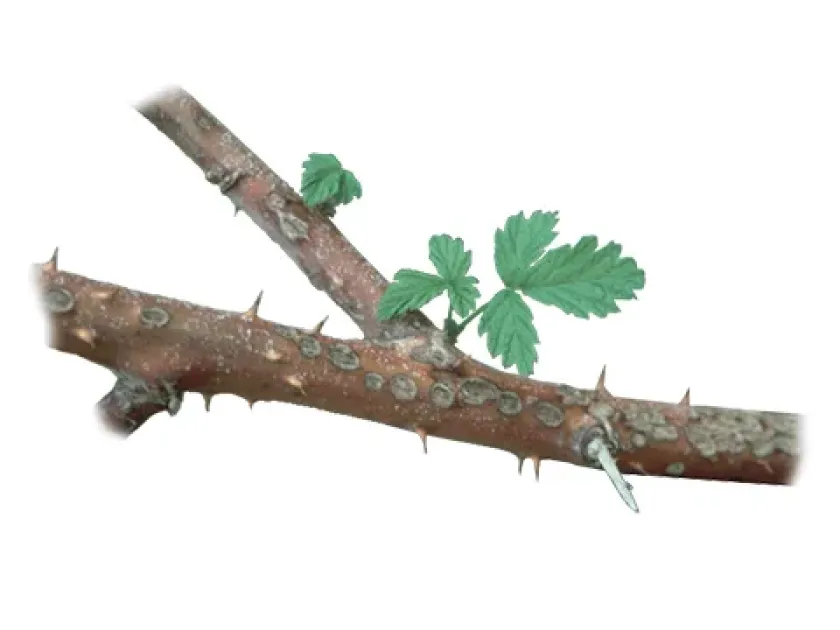
Description
Symptoms
The first signs of infection usually appear as small, circular spots on young leaves, shoots, and fruits. As the disease progresses, these spots expand, often becoming raised or ulcerated, giving the surface a wart-like appearance.
On citrus plants, corky outgrowths develop on the fruit and leaves, which severely diminish the commercial quality of the produce. In severe cases, tissues deform and growth is stunted, leading to distorted plant organs.
On grapevines, symptoms include deep, sunken, dark-colored spots with lighter centers, often surrounded by a dark margin. Heavy infection can cause shoots to crack, become brittle, and eventually die off prematurely.
Leaves on heavily infested plants may turn yellow and drop prematurely, which reduces the plant's photosynthetic capacity. This weakens the overall vigor of the host and predisposes it to secondary infections by saprophytic organisms.
Under high humidity, a fine spore-bearing layer may be visible on the surface of the lesions. These spores serve as the inoculum for secondary infections throughout the growing season.
Pathogen
The disease is caused by fungi in the family Elsinoaceae, which belongs to the order Myriangiales. The most significant pathogens within this group are species of the genus Elsinoe, such as Elsinoe fawcettii (citrus scab) and Elsinoe ampelina (grapevine anthracnose).
These fungi are specialized parasites that primarily attack young, succulent, and actively growing plant tissues. The mycelium develops within the epidermis and sub-cuticular layer, forming stroma where conidia and ascospores are produced.
The pathogen overwinters in diseased plant parts, such as fallen leaves, mummified fruits, or cracks in the bark of infected shoots. In spring, when environmental conditions become favorable, the fungus resumes development and releases spores.
Dissemination of spores within an orchard or vineyard occurs primarily through water splashes from rain or overhead irrigation. Insects and contaminated pruning tools also play a significant role in the mechanical transmission of the disease.
The fungus can remain viable in crop debris for extended periods, making the removal and destruction of infected plant material a fundamental aspect of integrated pest management strategies.
Conditions for development
The development of Elsinoe scab is highly dependent on humidity and temperature. Fungal activity is favored by prolonged periods of cool to moderate temperatures accompanied by frequent rainfall or high humidity.
The optimal temperature range for infection typically lies between +15°C and +25°C. During these conditions, the incubation period is shortened, facilitating rapid spread and severe outbreaks of the disease.
Dense canopies and poor air circulation create a microclimate that remains humid for long periods. This moisture persistence on the leaf surface is critical for spore germination and successful colonization by the fungus.
Excessive nitrogen fertilization often leads to the production of soft, succulent shoots that are highly susceptible to penetration by fungal germ tubes. Conversely, balanced nutrition helps maintain tougher cell walls that resist attack.
The primary infection period is closely linked to the stage of active vegetative growth. If this stage coincides with rainy weather, the risk of a widespread epidemic increases significantly.
Why it matters
The primary damage caused by Elsinoe scab is the direct reduction in yield and the degradation of fruit quality. Affected fruits are often deformed and unsightly, rendering them unfit for the fresh market.
Premature leaf drop caused by the disease reduces the tree or vine's ability to produce energy through photosynthesis, leading to weakened plants, reduced flower bud formation, and lower yields in subsequent seasons.
Shoot infection can lead to tip dieback and structural damage, making the plant more vulnerable to frost and other environmental stressors. In extreme cases, chronic infection can lead to the total decline of the plant.
Economic losses include not only the value of the lost or downgraded produce but also the significant cost associated with the frequent application of fungicides required to keep the disease under control.
In nursery settings, the presence of the pathogen is catastrophic, as it often results in the destruction of entire batches of seedlings, which cannot be sold due to quarantine and phytosanitary regulations.
Protection
Sanitation is the cornerstone of Elsinoe management. This includes the regular pruning and immediate destruction of all infected shoots, leaves, and fruits to minimize the primary inoculum in the field.
Proper canopy management, including regular pruning for airflow and sunlight penetration, helps dry out the foliage faster, making the environment less hospitable for fungal growth and spore germination.
Fungicide applications are often necessary, especially in regions with high spring rainfall. Preventive copper-based sprays are standard, while systemic fungicides may be used during periods of active infection.
Maintaining a balanced nutritional program and providing optimal water management avoids over-stimulating vegetative growth. This strengthens the plant's natural ability to withstand pathogen invasion.
Regular monitoring of orchards and vineyards is essential for early detection. Spot-treating localized infections can prevent the disease from spreading throughout the entire planting, saving time and chemical costs.
Discussion
No discussions yet — be the first.