
Elaphomycetales
Elaphomycetales
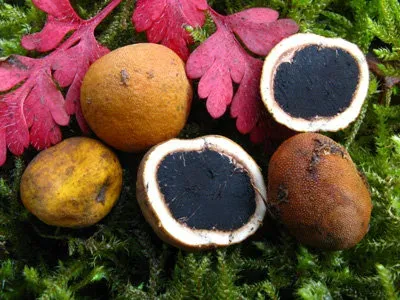
Description
Symptoms
The most distinctive sign of their presence is the formation of hard, spherical fruit bodies often referred to as deer truffles, found near tree roots.
Microscopic examination of the root system often reveals a thick mantle of fungal hyphae, which is a structural feature of Elaphomycetales-infected roots.
Changes in the color and thickness of the root tips in seedlings are early indicators of established colonization by these fungal species.
The activity of rodents digging through the topsoil is a reliable indicator that fruit bodies are likely present in the immediate vicinity.
Reduced vigor and slowed growth rates in forest nursery plantations can sometimes be attributed to an imbalanced mycorrhizal community dominated by this order.
Pathogen
Elaphomycetales are an order of Ascomycota fungi that primarily live underground, developing their fruit bodies within the soil layer.
These fungi are well-known for their obligate mycorrhizal symbiosis with the roots of various forest trees, including conifers and broad-leaved species.
While often acting as beneficial symbionts, their high colonization intensity can compete with the tree's physiological needs for nutrient uptake.
They spread their spores primarily through small mammals that consume the subterranean fruit bodies, effectively dispersing them throughout the forest floor.
Biological studies classify them as components of the rhizosphere that significantly influence the overall health and nutrition of forest stands.
Conditions for development
These fungi thrive in acidic, well-drained forest soils that are rich in organic matter, providing a stable environment for their growth.
Moderate temperatures and consistent soil moisture throughout the growing season are critical for the formation of subterranean fruit bodies.
A stable forest canopy and high root density provide the carbon sources necessary for the fungi to maintain their symbiotic relationship with trees.
Low levels of mechanical soil disturbance allow the mycelial network to persist and expand effectively over several years.
Changes in soil acidity or drastic alterations in drainage patterns can significantly limit the prevalence of Elaphomycetales in a specific area.
Why it matters
The primary concern is the nutrient trade-off, where the fungus acts as a carbon sink, depriving the host tree of essential resources for development.
In young plantations, aggressive colonization can result in decreased biomass production, making seedlings less competitive compared to those with other mycorrhizal partners.
The presence of these fungi can displace more efficient mycorrhizal species, leading to a decline in overall soil biodiversity and plant resilience.
They contribute to an altered soil ecology that can persist for long periods, potentially affecting the success of subsequent planting cycles.
While rarely fatal, the persistent energy drainage poses a long-term risk for forest productivity and the quality of reforestation efforts.
Protection
Managing Elaphomycetales involves optimizing soil health and favoring the establishment of beneficial mycorrhizal species through targeted inoculation.
Maintaining balanced soil pH and proper moisture levels can prevent the environmental conditions that favor over-colonization by this order.
Silvicultural practices that promote mixed forest stands often help maintain a balanced community of mycorrhizal fungi, reducing dominance issues.
Regular monitoring of seedling health and root colonization patterns is essential for nursery management to ensure high-quality planting stock.
Physical removal of fruit bodies during the spore-dispersal period may help in reducing the local spore bank, though this is difficult on a large scale.
Discussion
No discussions yet — be the first.