
Elaphocordyceps
Elaphocordyceps
Description
Symptoms
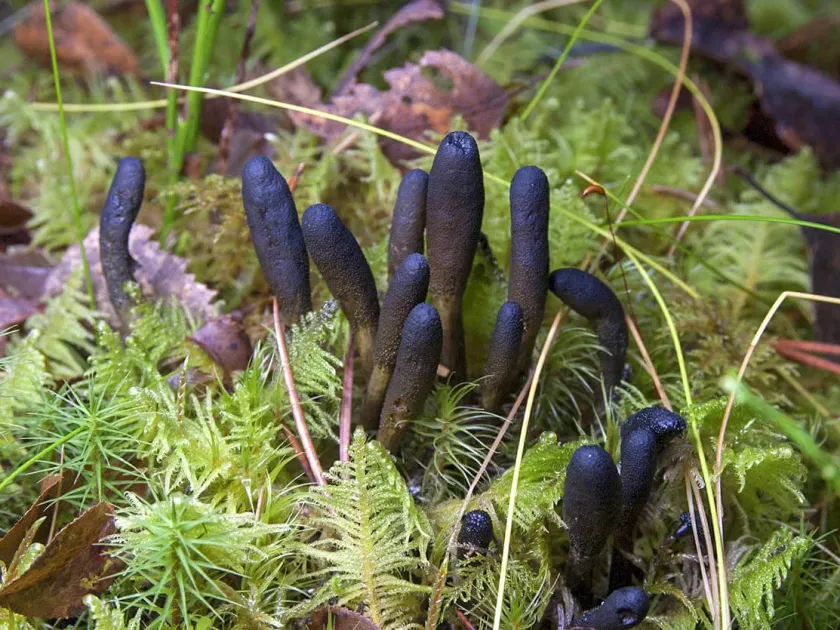
The primary sign of Elaphocordyceps presence is the appearance of distinct, club-shaped, or elongated fruiting bodies on the soil surface, often in wooded or humid areas.
These fruiting bodies are usually anchored to the soil, where they are connected to the mummified remains of the host insect. The texture of the host becomes firm and hardened.
Visual identification can sometimes be difficult due to the resemblance to other related fungal genera, requiring careful inspection of the connection between the stroma and the host.
In high-humidity conditions, a fine, whitish layer of conidia may appear on the surface of the fruiting bodies, indicating active sporulation.
While the fruiting bodies are the most visible sign, the internal mycelial growth within the insect host is the key indicator of a successful infection cycle.
Pathogen
Elaphocordyceps is a genus of fungi within the Ophiocordycipitaceae family. In agronomic terms, it is primarily categorized as an entomopathogenic fungus rather than a plant disease, as its life cycle depends on infecting insect larvae and underground fungal structures like truffles.
These fungi are deeply integrated into soil ecosystems, acting as specialized parasites. They require a specific host, often beetle larvae or pupae found in damp, organic-rich forest soils or under decaying plant matter.
The fungus invades the host's body, utilizing its nutrients for mycelial growth. Once the host's resources are depleted, the fungus produces a stroma—a visible fruiting body that emerges from the soil or the host's remains.
Unlike traditional phytopathogens that damage crops, Elaphocordyceps is often considered a beneficial component of the ecosystem, as it naturally regulates insect populations in the soil.
Spore dissemination occurs via air currents and moisture, ensuring that the fungus can reach new hosts and maintain its population within the habitat.
Conditions for development
The development of Elaphocordyceps is strictly dependent on high humidity and a stable, moderate temperature range, typical of the leaf litter layer in forest ecosystems.
The fungus thrives in undisturbed soils where organic matter accumulates, providing the necessary moisture and shelter for both the fungus and its insect hosts.
Optimal growth usually occurs during spring or autumn months when soil moisture is consistent and not subjected to extreme drying or freezing.
High densities of host insect populations are a requirement for the fungus to establish itself and produce fruiting bodies effectively.
Soil compaction or intensive cultivation techniques that disrupt soil biology tend to inhibit the spread of this fungus, as it requires a specific micro-environment to thrive.
Why it matters
Elaphocordyceps poses no direct threat to field crops or horticultural plants. It does not infect plant tissues or consume crop biomass, making it harmless to common agricultural operations.
Potential harm is limited to specialized industries, such as truffle farming, where the fungus may act as a parasite on the target truffle fruiting bodies.
In broader ecological terms, the fungus is beneficial, contributing to natural pest management by reducing populations of larvae that might otherwise harm the root systems of trees or other vegetation.
There is no economic damage associated with this genus in traditional crop protection; it is generally viewed as part of the natural fungal diversity of the soil.
Consequently, the presence of Elaphocordyceps is often interpreted as an indicator of a diverse and biologically active soil profile.
Protection
No specific control measures are needed in standard agriculture, as the fungus does not cause plant disease. It is not considered a target for fungicide application.
In cases where it interferes with niche crops like truffles, maintaining proper soil moisture and sanitation is the recommended preventive practice.
Avoiding unnecessary chemical inputs helps preserve the natural balance of the soil, allowing beneficial entomopathogens like Elaphocordyceps to continue their role in insect control.
General soil management, including mulching and organic amendment, supports healthy fungal populations without promoting unwanted parasitic growth.
If local reduction is desired in a controlled setting, manual removal of the fruiting bodies before sporulation is the most effective and eco-friendly approach.
Discussion
No discussions yet — be the first.