
Description
Symptoms
External symptoms often include small, dark, or necrotic spots appearing on the rind of the affected citrus fruits as they mature.
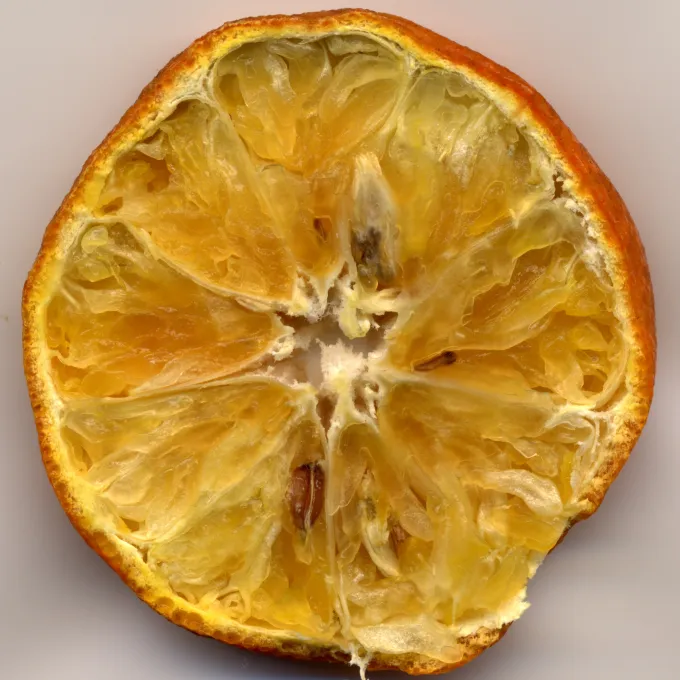
The most devastating damage is internal, characterized by the discoloration of pulp, which becomes bitter, foul-tasting, and watery.
Infected fruits frequently undergo premature abscission and fall to the ground, causing significant yield losses before the intended harvest time.
Upon cutting an infected fruit, one can observe the breakdown of segment walls and the complete degradation of the internal fruit tissue.
In advanced stages, the fruit may collapse, and secondary decay organisms may further compromise the structural integrity of the citrus.
Pathogen
The disease is caused by fungi belonging to the genus Eremothecium, specifically Eremothecium coryli, which are known to act as pathogens of fruit tissues.
This yeast-like fungus specializes in colonizing the interior of citrus fruits, accessing them through small wounds or punctures created by insect pests.
The biological cycle of this pathogen is intrinsically linked to its vectors, primarily sucking insects that feed on fruit juice and inadvertently introduce spores.
Once inside the fruit, the fungus grows rapidly, utilizing the sugars and nutrients present in the juice sacs and internal structures.
The ability of the pathogen to remain latent until fruit maturity makes it a challenging threat for citrus producers in subtropical climates.
Conditions for development
Warm and humid environments are the most favorable conditions for the development of Eremothecium and the spread of its vector insects.
High pest pressure in the orchard is the primary driver of infection, as any physical damage to the rind creates an entry point for the spores.
Poor orchard sanitation, specifically leaving debris and fallen fruit on the ground, creates a reservoir for the pathogen to persist and spread.
Dense canopy growth that limits airflow leads to high humidity around the fruit, which significantly accelerates the colonization process.
Rainy seasons during the fruit-filling stage increase the risk of infection by promoting both fungal growth and insect activity.
Why it matters
The disease causes substantial economic losses by making fruits unsaleable and unsuitable for fresh market distribution.
The chemical changes, specifically the development of bitter compounds, prevent the use of affected fruits in juice or processed products.
Shelf life is severely reduced, as infected fruits spoil rapidly during transport and storage, impacting international trade.
The necessity of increased pesticide applications to control vector insects raises production costs and environmental concerns.
Total loss of individual fruits and potential reduction in orchard productivity create long-term financial instability for growers.
Protection
The most critical component of disease control is the effective management of insect vectors, particularly hemipteran bugs that puncture the fruit rind.
Orchard management should prioritize sanitation, ensuring that all fallen or decaying fruits are promptly removed and destroyed to minimize inoculum.
Proper pruning and canopy management help maintain air circulation, reducing the moisture levels that fungi require for growth.
Strategic use of fungicides, timed according to the fruit development stages and pest activity, can help prevent initial fungal infection.
- Integrated Pest Management (IPM) for sucking insects.
- Regular pruning to improve orchard hygiene.
- Prompt disposal of infected citrus fruits.
Pathogens and affected parts
Affects crops · 1
Discussion
No discussions yet — be the first.