
Dothiorella canker
Dothiorella reniformis
Description
Symptoms
The primary symptom of the disease is the formation of cankers on branches and main trunks. These infected areas initially appear as discolored or darkened patches on the bark, which eventually become depressed as the tissue beneath dies.
As the disease progresses, the surface of the canker develops numerous small, dark, pimple-like structures known as pycnidia. These structures rupture the bark's outer layer and serve as the exit points for spores, especially during wet weather conditions.
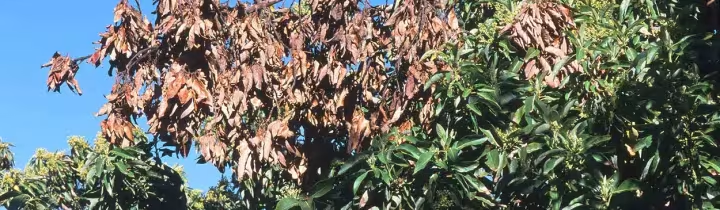
Leaves on the affected branches often show signs of premature yellowing and wilting. Since the pathogen blocks the flow of water, the distal parts of the infected branches often die back completely, giving the canopy a sparse or stunted appearance.
When the bark is carefully peeled away from the margin of a canker, a distinct line is often visible between the healthy, light-colored wood and the discolored, necrotic tissue. This demarcation is a classic sign of localized fungal colonization.
In advanced cases, deep cracks or fissures may develop in the bark, sometimes accompanied by an exudation of sap. These open wounds serve as entry points for secondary organisms, which can further aggravate the decline of the host plant.
Pathogen
The disease is caused by the imperfect fungus Dothiorella reniformis, a pathogen known for attacking various woody plant species. It primarily targets the bark and vascular tissues, acting as a parasitic agent that impairs the plant's structural and physiological functions.
The fungus is characterized by the production of pycnidia, which are specialized fungal fruiting bodies. These pycnidia contain conidia, which are distinctively kidney-shaped, serving as the primary diagnostic feature for identification under a microscope.
Dothiorella reniformis persists in dead plant tissue or dormant wood as mycelium or spores. This allows the pathogen to remain viable within the environment for extended periods, waiting for an opportunity to infect weakened or stressed hosts.
Dissemination occurs through various environmental and human-mediated vectors. Wind-driven rain, insects, and contaminated pruning tools are the primary ways the fungus travels from infected areas to healthy, susceptible plant tissue.
Biologically, the pathogen secretes enzymes that degrade cellular structures, causing decay in the host tissue. This activity eventually leads to the disruption of water and nutrient transport, which is the direct cause of branch dieback and overall tree decline.
Conditions for development
The development of Dothiorella canker is strongly favored by high humidity and moderate temperatures. Prolonged rainy periods during the growing season create the perfect environment for spore germination and rapid colonization.
Stress is the most significant factor increasing a plant's susceptibility to infection. Drought, nutrient deficiencies, cold injury, or physical damage to the bark all weaken the plant's natural defenses, making it easier for the fungus to establish.
Poor orchard or garden management, such as overcrowding or inadequate airflow, contributes to the spread of the disease. Dense canopies trap moisture, which is essential for the fungal spores to settle and penetrate the plant tissues.
The pathogen overwinters within the infected wood. When temperatures rise in the spring, the fungus resumes activity and produces new spores, creating a cycle that can persist year after year if not properly managed.
Furthermore, the presence of wood-boring insects often coincides with the disease, as these pests create pathways through the bark, effectively introducing the fungus deep into the living cambium layer of the tree.
Why it matters
The disease causes significant harm by leading to the progressive dieback of scaffold branches. This results in the loss of productive wood and forces the removal of large parts of the canopy, ultimately reducing the plant's overall vigor.
In ornamental and orchard trees, Dothiorella canker leads to aesthetic degradation and reduced yield. Trees infected over several seasons may become commercially non-viable or require extensive pruning that alters their natural growth habit.
When left uncontrolled, the infection can spread throughout an entire plantation, posing a major economic threat to nurseries and farms. The cumulative effect of branch loss can eventually lead to the complete death of the tree.
Management of the disease requires high labor and chemical input costs. Frequent monitoring, sanitation, and protective applications represent a substantial burden on the maintenance budget of any agricultural or landscape project.
The weakened state of infected trees makes them more vulnerable to secondary pests and pathogens, creating a synergistic effect that accelerates the decline of the plant population and the surrounding ecosystem.
Protection
The primary control strategy is rigorous sanitation. All dead or infected branches must be pruned well below the site of the canker, ensuring that only healthy, clean wood remains, to minimize the risk of re-infection.
Disinfecting pruning equipment after each cut is crucial. Using alcohol or a bleach solution prevents the mechanical transfer of fungal spores between infected and healthy trees, which is one of the most common ways the disease spreads.
Protective fungicide applications, specifically those containing copper, are effective when applied during dormant periods or before the start of the wet season to prevent new infections from taking hold on the bark surface.
Maintaining optimal plant health is the best long-term defense. Providing adequate irrigation, proper nutrition, and avoiding unnecessary mechanical injuries to the stems will ensure the tree maintains a robust internal immune response.
- Regularly inspect the garden for early signs of bark discoloration.
- Remove and destroy infected plant material away from the cultivation area.
- Thin out dense canopies to improve airflow and reduce moisture retention.
- Use professional sealants on large wounds to prevent fungal entry.
Discussion
No discussions yet — be the first.