
Dothideales
Dothideales
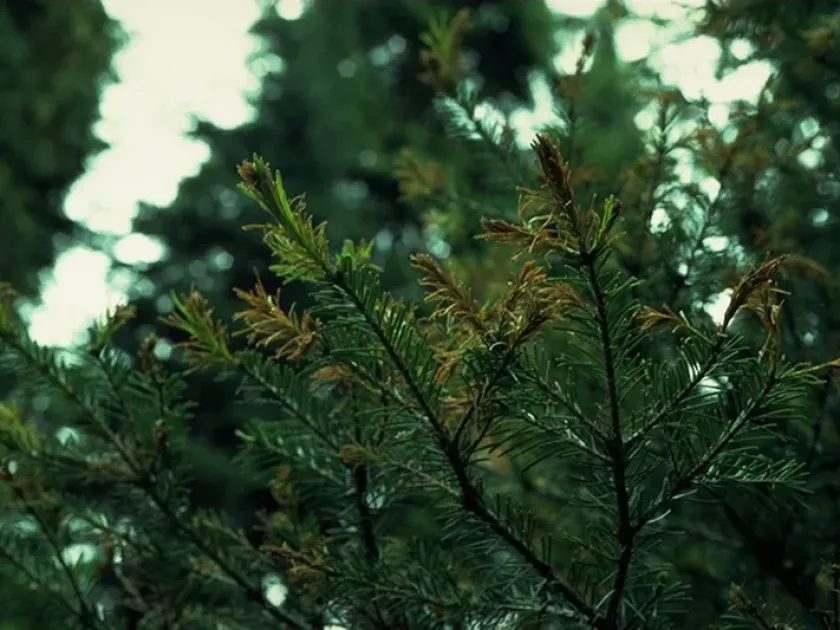
Description
Symptoms
The most common symptoms appear as necrotic spots, which can range from tan to dark brown or black. These lesions often exhibit a distinct margin and, in later stages, may develop chlorotic halos, indicating a generalized physiological stress of the host.
Microscopic examination of the lesions usually reveals the presence of small, black, dot-like structures known as pseudothecia or pycnidia. The presence of these fruiting bodies is a definitive diagnostic marker used to distinguish Dothideales from other leaf-spotting diseases.
Deformation of the leaf tissue is a frequent consequence of severe infection. Leaves may curl, twist, or prematurely abscise, significantly reducing the plant's photosynthetic capacity and hindering the development of fruit and seed structures.
Stem infections often manifest as elongated, darkened lesions that can girdle the stalk. Such damage disrupts the vascular system, preventing the upward transport of water and nutrients, which ultimately results in the wilting or lodging of the affected plants.
In fruits, infection manifests as depressed, sunken lesions that compromise market quality. These necrotic zones frequently serve as entry points for secondary decay-causing organisms, leading to post-harvest losses and reduced shelf life.
Pathogen
The Dothideales order comprises a diverse group of ascomycetous fungi that act as significant pathogens for various agricultural crops. These fungi are capable of adopting both parasitic and saprophytic lifestyles depending on the availability of nutrients and the host's condition.
The fungal life cycle involves the formation of pseudothecia, which are fruiting bodies embedded within the host plant's tissues. During favorable conditions, these structures release ascospores, which are the primary source of infection that spreads to healthy crops in the spring.
Members of this order possess robust enzymatic systems, enabling them to degrade complex plant cell walls. This ability allows them to colonize tissues efficiently and extract vital nutrients, often leading to rapid tissue necrosis and structural damage.
Taxonomically complex, these fungi are known for their high genetic variability. Their ability to adapt to changing environmental conditions and host resistance mechanisms makes them particularly persistent pathogens in modern agricultural systems.
The mycelium of these fungi often penetrates deep into the intercellular spaces of host plants. This endophytic growth pattern allows the pathogen to remain latent during early infection stages, making visual detection difficult before symptoms become widespread.
Conditions for development
Development of these diseases is strongly favored by moderate temperatures ranging from 18°C to 25°C and sustained periods of high humidity. Leaf wetness is critical for spore germination and successful colonization by the fungal pathogen.
Spore dissemination is primarily driven by rain splash and wind currents. Dense planting patterns restrict air movement within the crop canopy, creating a stagnant, humid microclimate that dramatically accelerates the secondary infection cycle.
Poor agricultural practices, such as failing to rotate crops or leaving infested crop debris on the field surface, lead to a massive buildup of inoculum in the soil. This ensures that the pathogen is present at the start of the next planting season.
Plants weakened by nutrient deficiencies, drought, or insect damage are significantly more susceptible to Dothideales attacks. The host's weakened defense mechanisms fail to contain the fungal spread, allowing for rapid disease development.
The environmental conditions during the autumn season determine the survival rate of the fungal structures. Mild winters facilitate the overwintering of the fungus in crop residue, leading to higher primary inoculum levels in the following spring.
Why it matters
The primary impact of Dothideales on agriculture is a significant reduction in grain or fruit yield due to the drastic loss of active leaf area. Photosynthetic impairment leads to poorly filled grain and undersized, low-quality produce.
Economic losses can be severe, especially during years with heavy rainfall and high humidity, which favor rapid disease spread. In some cases, yield losses can range from 30% to over 50%, posing a threat to farm profitability.
Beyond quantity, quality loss is a major concern. Reduced nutritional value, contamination with fungal toxins, and physical degradation of fruits limit the marketability of the crop and its suitability for processing or livestock feed.
The early senescence caused by these pathogens results in earlier harvest requirements or crop lodging, making mechanical harvesting difficult and inefficient. Furthermore, infested fields require more intensive management efforts.
Managing these diseases involves high costs related to fungicide applications. Repeated chemical interventions increase production costs and raise concerns about the development of fungicide resistance within the fungal population.
Protection
Integrated pest management is the gold standard for controlling Dothideales. This includes a robust crop rotation strategy, where susceptible crops are not returned to the same soil for at least three to four years to break the infection cycle.
Sanitation practices are essential, specifically the deep plowing of crop residues to bury the inoculum. This prevents the formation and release of ascospores from debris left on the surface during the early stages of the growing season.
Chemical control focuses on the timely application of systemic fungicides. Effective groups include triazoles and strobilurins, which should be applied preventatively or at the very first signs of lesion appearance to minimize disease impact.
Balanced fertilization, particularly maintaining adequate potassium and phosphorus levels, strengthens plant tissues and improves natural resistance. Healthy, well-nourished plants are better equipped to withstand pathogen invasion.
The adoption of resistant crop varieties remains the most cost-effective and environmentally friendly method. Breeding programs aimed at identifying and incorporating genetic resistance are vital for mitigating the long-term impact of these fungi on global agriculture.
Discussion
No discussions yet — be the first.