
Discohainesia
Discohainesia
Description
Symptoms
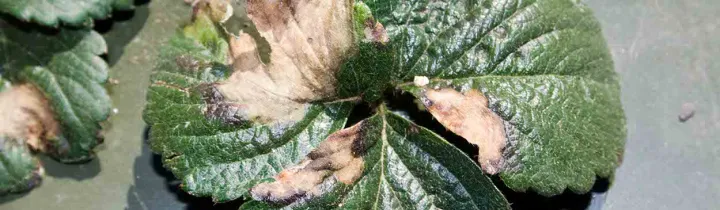
The primary symptoms include small leaf spots that eventually become circular or irregular in shape, typically surrounded by a distinct dark margin.
Fruiting bodies often develop in the center of these lesions, appearing as tiny dark dots or cushions visible under close inspection with a hand lens.
Stem infections manifest as lesions or ulcers, which can cause stalk breakage and subsequent wilting of the upper portions of the plant.
Under high humidity, a delicate white or pinkish mass of fungal spores may become visible on the surface of infected tissues.
Without timely intervention, these spots coalesce, leading to premature yellowing and leaf drop, significantly weakening the plant's overall health.
Pathogen
The disease is caused by the fungus Discohainesia oenotherae (formerly known as Pezizella oenotherae), which belongs to the Ascomycota phylum.
This microscopic fungus infects plant tissues by entering through wounds or natural openings, subsequently initiating active mycelial growth.
The pathogen's biological cycle involves the production of conidia, which are dispersed by wind, rain splashes, and insects, facilitating rapid field spread.
The fungus can persist for long periods in plant debris, soil, and on seeds, making it highly resilient to harsh environmental conditions.
Genomic studies of this pathogen demonstrate high adaptability to various climates, which complicates long-term management and control efforts.
Conditions for development
The primary trigger for epidemic development is high relative humidity, typically exceeding 75-80 percent.
The optimal temperature range for spore germination and mycelial growth lies between 18 and 24 degrees Celsius.
Frequent rainfall, heavy fog, and dew accumulation on leaf surfaces create the ideal environment for the activation of Discohainesia.
Poor agricultural practices, such as overly dense planting, lead to stagnant air and localized humidity, accelerating the disease's spread.
Stress factors, including nutrient deficiency and pest damage, weaken host plant resistance and facilitate easy pathogen entry.
Why it matters
The main threat of Discohainesia is the significant reduction of healthy leaf surface area, which severely impairs the plant's photosynthetic capacity.
Heavy infections lead to a drastic decrease in marketability, rendering produce unsuitable for long-term storage or commercial transport.
The fungus produces specific toxins that suppress plant metabolism, causing general growth stunting and reduced yield potential.
Infection of reproductive organs leads to poor quality seed material, complicating the establishment of healthy crops in future seasons.
Economic losses arise not only from reduced output but also from high expenditures on repeated systemic fungicide applications.
Protection
Management starts with rigorous crop rotation practices, which help limit the buildup of fungal inoculum in the soil over several years.
Thorough sanitation, including the removal and destruction of crop residues, is crucial as these serve as the primary overwintering sites for the fungus.
Utilizing certified, pathogen-free seed is a foundational step in preventing the introduction of this disease into new areas.
During the growing season, if initial symptoms are observed, timely application of modern systemic fungicides is required to halt disease progression.
- Application of triazole or strobilurin-based fungicides.
- Regular greenhouse ventilation to reduce moisture levels.
- Balanced fertilization to strengthen plant innate immunity.
Discussion
No discussions yet — be the first.