
Dipodascaceae fungi
Dipodascaceae
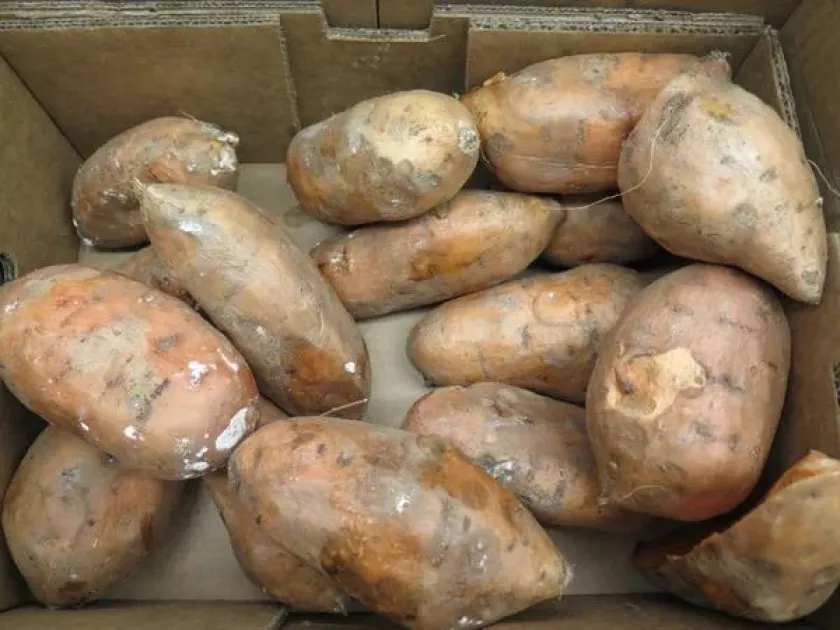
Description
Symptoms
The most prominent sign of infestation is the appearance of water-soaked, soft lesions on the surface of fruits or roots. These lesions tend to expand rapidly, turning the interior of the plant organ into a mushy, structureless mass.
A white or creamy, velvety fungal growth, consisting of massed conidia, often appears on the surface of the rotted areas. This growth is particularly visible in high-humidity conditions and serves as a primary source of secondary inoculum.
Internal tissue breakdown is often accompanied by a distinct, sometimes acidic odor resulting from the enzymatic degradation of cell contents. This makes the affected produce unmarketable and unsuitable for processing.
On root crops, the disease often manifests as deep, dark-edged ulcers that can reach far into the tissue. These sites are highly susceptible to secondary colonization by bacteria, which complicates the clinical picture of the rot.
In early stages, the infection might remain hidden beneath the skin, but as the fungal hyphae penetrate deeper, the structural integrity of the plant organ collapses, causing it to shrink or leak fluids.
Pathogen
The Dipodascaceae family includes a group of ascomycetous fungi that are significant in plant pathology due to their ability to cause rapid decay and tissue necrosis. These fungi often exhibit a yeast-like growth stage, enabling them to spread quickly across plant surfaces.
These organisms are typically opportunistic pathogens that thrive on damaged plant tissues. They secrete powerful enzymes that degrade plant cell walls, leading to the liquefaction of the host tissue and the characteristic symptoms of wet rot.
Infection usually occurs via mechanical wounds or openings created by insects, harvest machinery, or weather damage. Once the initial barrier is breached, the fungus proliferates using the nutrients available in the plant cells.
The biological cycle of these fungi is highly dependent on environmental conditions. They reproduce primarily through conidia, which are easily dispersed by wind, water splashes, or even through direct contact between infected and healthy tissues.
Understanding their metabolic versatility and environmental requirements is essential for developing robust integrated pest management strategies. Their ability to switch between saprotrophic and parasitic modes makes them persistent threats in both fields and storage facilities.
Conditions for development
The primary environmental driver for the development of Dipodascaceae is high relative humidity (above 85%). Excess moisture creates the necessary conditions for conidia germination and rapid mycelial expansion.
Optimal temperatures for these fungi typically fall within the range of +20 to +28 degrees Celsius. While they are less active at lower temperatures, they can persist in cold storage, potentially causing losses over extended periods.
Poor ventilation in storage environments is a critical risk factor, as it allows for the formation of stagnant air pockets with high humidity. Condensation on fruit surfaces provides an ideal interface for the pathogen to penetrate host tissues.
Physical injuries to the plant epidermis are the most common gateway for infection. Proper handling practices, both in the field and during logistics, are vital to maintaining the protective barrier of the plant.
Soil nutrient status, particularly excessive nitrogen fertilization, can result in softer, more susceptible tissues. Balanced nutrition contributes to stronger cell walls, which act as a mechanical defense against fungal invasion.
Why it matters
The main harm caused by Dipodascaceae is the dramatic loss of marketable yield and quality. In warehouse settings, a single infected unit can rapidly contaminate adjacent produce, leading to the destruction of entire batches within days.
The enzymatic action of these fungi renders the produce completely unsuitable for human consumption. In addition to aesthetic damage, there is a risk of secondary contamination with mycotoxins or harmful bacteria associated with the decay process.
Economic losses include not only the direct value of the wasted product but also the costs associated with sorting, disposal, and the labor required to sanitize storage containers and facilities.
Logistical challenges are significant, as produce may appear healthy at the point of origin but deteriorate rapidly during transport. This high perishability complicates market access and increases the financial risk for growers.
Persistent presence of these fungi in the field environment creates a reservoir of infection that can affect subsequent crops. This necessitates continuous vigilance and the implementation of long-term sanitation practices.
Protection
Effective control starts with strict environmental management in storage. Maintaining optimal temperature and humidity levels is the most critical step in preventing outbreaks of these fungal pathogens.
Sorting and grading produce before storage is essential to remove damaged or symptomatic units that could initiate a spread. Sanitizing tools and storage surfaces further reduces the risk of cross-contamination.
Integrated pest management in the field, including the use of resistant varieties and timely application of fungicides, helps keep the initial infection pressure low. Controlling insect vectors that damage fruit surfaces is also a key preventive measure.
Crop rotation and proper disposal of harvest residues help eliminate the primary sources of fungal inoculum in the field. Breaking the infection cycle is fundamental to long-term disease management.
Adhering to best practices for harvest, including avoiding harvesting during wet weather, significantly reduces the likelihood of introducing moisture and pathogens into the supply chain.
Discussion
No discussions yet — be the first.