
Orchid dichorhavirus
Dichorhavirus orchidaceae
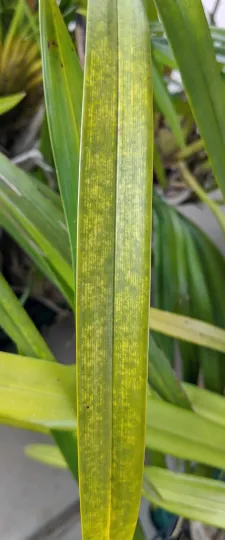
Description
Symptoms
Initial symptoms of orchid dichorhavirus infection include chlorotic spots, mosaic patterns, and streaks on leaves. The plant typically exhibits a gradual decline in growth rate and vigor.
Leaf deformation is common; leaves may become twisted, misshapen, or abnormally thin. Flowers are also susceptible, often showing color-breaking, spots, or developmental defects.
Visual signs can be subtle or entirely absent during the latent phase. Environmental stress, such as temperature fluctuations or poor lighting, often triggers the systemic manifestation of viral symptoms.
Chronic infection leads to localized tissue necrosis, which can spread and eventually cause the death of stems or shoots. The root system also tends to weaken, leaving the plant susceptible to secondary decay.
- Mosaic patterns on leaves
- Deformed foliage and flowers
- Stunted plant growth
- Chlorosis and tissue necrosis
Pathogen
The causative agent of the disease is Dichorhavirus orchidaceae, which belongs to the genus Dichorhavirus in the Rhabdoviridae family. It is an RNA virus characterized by its bacilliform-shaped virions.
This is a systemic viral disease that affects plant tissues at a cellular level. The virus hijacks the host plant's internal mechanisms to replicate its own genetic material, severely impairing the orchid's physiology.
The biology of the virus relies heavily on insect vectors that facilitate its transmission between healthy and infected host plants. Outside the host or vector, the virus has limited environmental stability.
While research into this specific virus continues, its high mutation rate poses a significant challenge for diagnosis. Currently, no orchid cultivars exhibit complete resistance to this infection.
The virus has a broad host range within the Orchidaceae family, often impacting popular species grown both commercially and in private collections. Its ability to remain latent makes it highly elusive.
Conditions for development
The primary mode of transmission is through insect vectors such as aphids and other sap-sucking insects that carry the virus while feeding. They are the most significant spreaders in indoor cultivation environments.
Mechanical transmission is a critical risk factor. Using unsterilized cutting tools on an infected plant and then on a healthy one facilitates the immediate transfer of the virus to the entire collection.
Optimal conditions for disease progression often coincide with those favoring vector populations, such as high humidity and stable warm temperatures in greenhouses.
Purchasing infected planting material is a common pathway for introduction. As many orchids carry the virus without visible symptoms, they can silently introduce the pathogen into a clean environment.
High-density planting in greenhouses creates ideal conditions for transmission, as leaf-to-leaf contact between healthy and diseased plants significantly increases the risk of contamination.
Why it matters
The main danger of orchid dichorhavirus is that there is currently no cure for infected plants. Once systemic infection is established, the virus remains within the tissues throughout the plant's life.
For commercial growers, this virus causes massive economic losses, as infected plants lose their market value due to cosmetic damage and poor health.
The infection disrupts the reproductive cycle, preventing flowering or producing malformed blooms. This significantly reduces the aesthetic and commercial appeal of the collection.
Viral infection suppresses the orchid's immune system, making it vulnerable to secondary fungal or bacterial pathogens, which often accelerate the plant's decline and death.
The persistent threat of spreading to the entire collection makes this virus one of the most serious phytosanitary problems for orchid nurseries and enthusiast collections.
Protection
Strict quarantine protocols are essential. All new additions to a collection must be isolated for at least two months to ensure they do not harbor latent infections before introduction.
Rigorous sterilization of tools is mandatory. After every cutting or repotting procedure, tools should be thoroughly disinfected with alcohol or heat to prevent cross-contamination.
Effective pest management is crucial to minimize the presence of insect vectors. Regular monitoring and the application of appropriate insecticides help reduce the likelihood of virus transmission.
Upon detection of infected individuals, immediate isolation or destruction (burning) is recommended to protect the remaining collection. There is no alternative to eliminating the source of infection.
Maintaining optimal growing conditions, including proper nutrition and light, helps the orchid maintain natural resistance, which may suppress viral symptoms in the early stages of exposure.
Discussion
No discussions yet — be the first.