
Description
Symptoms
Initial symptoms on leaves appear as small, circular, chlorotic spots that eventually darken into brown or black lesions, often surrounded by a distinct yellow halo.
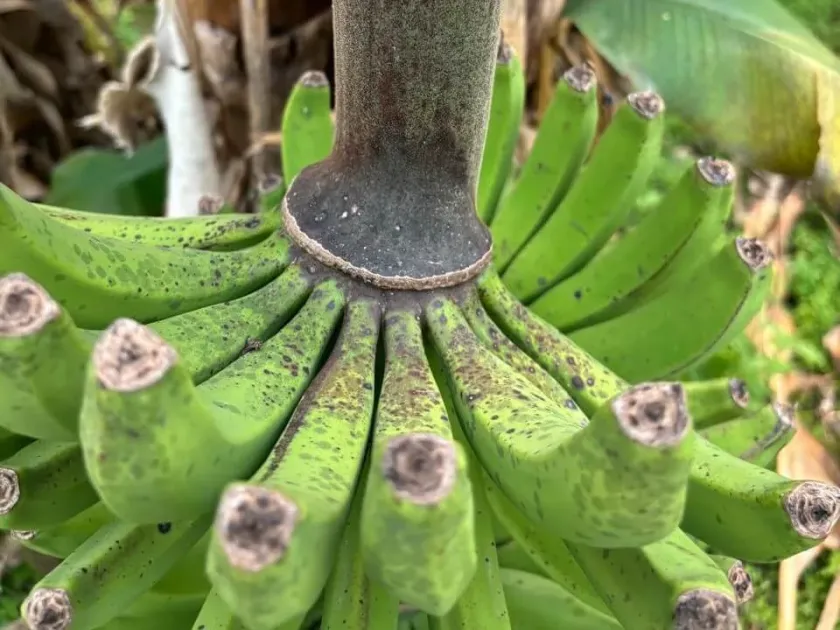
On fruits, the pathogen causes distinct dark, sunken spots, often referred to as "fruit speckle" or "tip rot." This significantly reduces the quality and market value of the banana bunch.
In high humidity, a velvety layer of dark-colored fungal spores develops on the infected lesions. This is the primary sign that the fungus is actively sporulating and spreading.
As the disease progresses, leaves may become withered or ragged due to extensive tissue necrosis. This premature death of the foliage impairs the plant's ability to produce energy.
- Circular brown lesions with yellow margins.
- Sunken black necrotic spots on fruit tips.
- Velvety dark spore growth on lesions.
- Premature yellowing and drying of leaves.
Pathogen
The disease is caused by the fungus Deightoniella torulosa. It is a well-known pathogen that primarily targets banana crops in humid tropical and subtropical environments.
This fungus is classified as a hyphomycete, characterized by the production of dark-pigmented conidia. This pigmentation protects the spores from harmful UV radiation while they are dispersed by wind or splashing water.
The pathogen survives primarily in crop debris, such as decaying leaves and old stalks left on the plantation floor. This debris serves as a constant inoculum source for fresh growth.
Infection occurs when spores land on the surface of leaves or fruits and penetrate the plant tissue. Once inside, the mycelium secretes enzymes that degrade the plant's cell walls.
Biological control and integrated pest management are crucial, as the fungus can adapt to various conditions and spread rapidly under favorable environmental stressors.
Conditions for development
High relative humidity and frequent rainfall are the primary drivers of disease outbreaks. Water droplets facilitate the dispersal of conidia across the canopy.
Temperature plays a vital role in the disease cycle, with the fungus thriving in a range between 22°C and 28°C. This temperature range is standard in most banana-producing regions.
Dense planting patterns reduce airflow and trap humidity around the foliage. Poor ventilation prevents leaves from drying out quickly, which is essential for limiting fungal germination.
Young plants or those with nutrient deficiencies are generally more susceptible. Stress factors, such as drought or mechanical damage, make it easier for the pathogen to establish infection.
The lack of proper plantation sanitation promotes the buildup of inoculum. If infected leaves are not removed, the pathogen continues to cycle through the crop indefinitely.
Why it matters
The main impact is economic, as banana fruit with visible necrotic spots is rejected for export. This leads to substantial waste and revenue loss for farmers.
Reduced photosynthetic capacity from severe leaf spot leads to smaller fruit size and lower total yield. The plant struggles to accumulate enough starch to fill the fruit properly.
Chronic infections weaken the overall health of the banana plant. A weakened plant is more prone to secondary infections and damage from pests or harsh weather conditions.
If the infection affects the leaf petioles, it can cause the leaves to collapse prematurely. This exposes the developing bunch to direct sunlight, which can lead to further damage.
Ongoing control measures add to the cost of production. Frequent fungicide application is a recurring expense that affects the profitability of banana cultivation.
Protection
Sanitation is the most effective preventative measure. Growers must regularly prune and destroy infected leaves to reduce the concentration of spores in the plantation.
Proper canopy management, including adjusting plant spacing, ensures sufficient sunlight and airflow. This helps keep the leaves dry and less hospitable to fungal growth.
Fungicide applications are used in intensive farming systems to manage outbreaks. Treatments must be timed correctly based on rainfall patterns and disease scouting data.
Balanced fertilization, particularly with potassium and micronutrients, improves the plant's structural integrity, making it more resistant to fungal invasion.
Planting resistant varieties is the long-term goal for sustainable banana production. Research into breeding programs remains essential to manage Deightoniella torulosa effectively.
Pathogens and affected parts
Affects crops · 1
Discussion
No discussions yet — be the first.