
Cylindrocladium spathiphylli
Cylindrocladium spathiphylli
Description
Symptoms
The initial signs of the disease include the appearance of small, yellow, circular spots on the foliage that rapidly expand into large, dark brown necrotic lesions.
As the infection progresses, the yellow halos around the brown spots become more pronounced, and the entire leaf tissue may turn yellow, lose turgor, and eventually die.
Severe infections lead to the rotting of the petioles, which turn soft and brown at the base, causing the leaves to collapse or drop off prematurely.
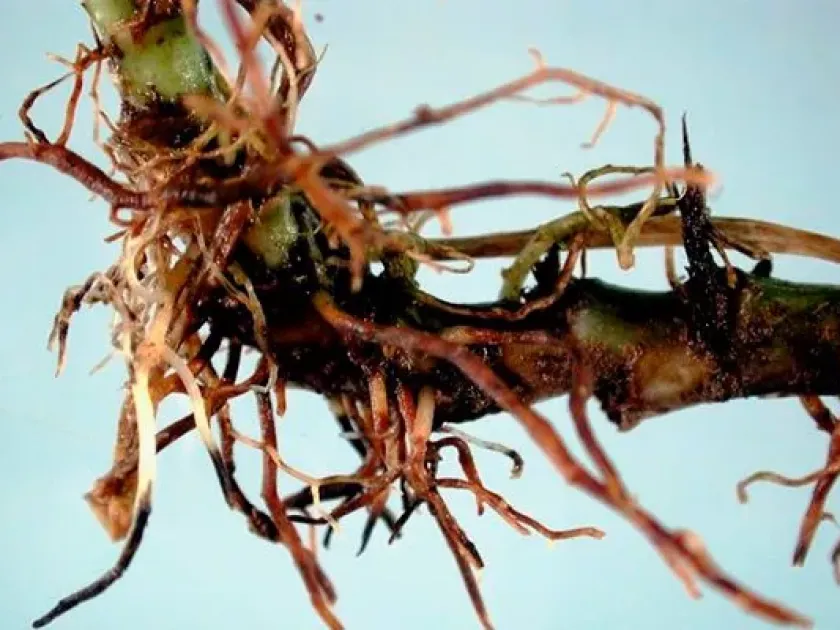
Root systems exhibit extensive decay, turning dark brown to black and sloughing off, which effectively cuts off the plant's ability to hydrate itself.
Under high-humidity conditions, a faint white to cream-colored mold may become visible on the underside of leaves or at the soil line, representing the active conidial growth of the fungus.
Pathogen
The disease is caused by the fungus Cylindrocladium spathiphylli. This pathogen is a soil-borne fungus that specializes in attacking the vascular systems of plants in the Araceae family, particularly Spathiphyllum.
The fungus produces long-lived survival structures known as microsclerotia, which allow it to persist in potting media for extended periods, making it difficult to eradicate from greenhouses.
Infection occurs primarily through the root system or the base of the stems, where the fungus penetrates the epidermal layers to colonize the vascular tissues.
Sporulation occurs on the surface of infected tissues, producing conidia that are easily dispersed by splashing water, irrigation, or contaminated tools throughout a greenhouse.
The pathogen secretes enzymes and toxins that break down plant tissues, resulting in a systemic wilt and the disruption of nutrient and water uptake from the root system to the leaves.
Conditions for development
Cylindrocladium spathiphylli thrives in warm and humid environments, with temperatures between 20°C and 28°C providing ideal conditions for rapid fungal colonization.
Over-irrigation and poor drainage in the potting medium create the anaerobic conditions that promote fungal activity and accelerate the infection of healthy roots.
High relative humidity levels, which prevent proper evaporation and keep the leaf canopy moist, facilitate the spread of airborne spores between closely spaced plants.
The use of unsterilized soil or reusing pots that were previously occupied by infected plants are major risk factors for introducing the pathogen to new collections.
Plant stress, often caused by inadequate lighting, poor air circulation, or root damage during repotting, makes the host more susceptible to successful invasion by the fungus.
Why it matters
This disease is extremely aggressive and can lead to the total loss of Spathiphyllum plants within a very short timeframe if left unmanaged.
The economic impact is significant for commercial growers, as the infection can spread rapidly through a bench of plants, necessitating the destruction of entire batches.
Because the fungus targets the vascular system, recovery is often difficult, and even treated plants may show permanent stunting or reduced aesthetic value.
The pathogen's ability to survive in the soil means that any infected media poses a long-term contamination risk to future plantings in the same space.
Secondary infections by opportunistic bacteria frequently follow the primary fungal attack, leading to accelerated rotting and a foul odor in the root zone.
Protection
Preventive management focuses on strict sanitation practices, including the use of high-quality, well-draining potting media and clean, disinfected containers.
Improving air circulation around the plants and avoiding overhead irrigation can significantly reduce the moisture levels needed for fungal spore germination.
If an infection is detected, immediate removal and destruction of the symptomatic plant are essential to prevent the spread to adjacent healthy specimens.
Systemic fungicides, particularly those containing thiophanate-methyl, can be used as a therapeutic measure to suppress fungal development in lightly affected plants.
- Apply systemic fungicides according to label instructions.
- Ensure excellent drainage and do not overwater.
- Use sterilized potting media for all repotting activities.
- Sanitize tools with a 10% bleach solution between uses.
Discussion
No discussions yet — be the first.