
Description
Symptoms
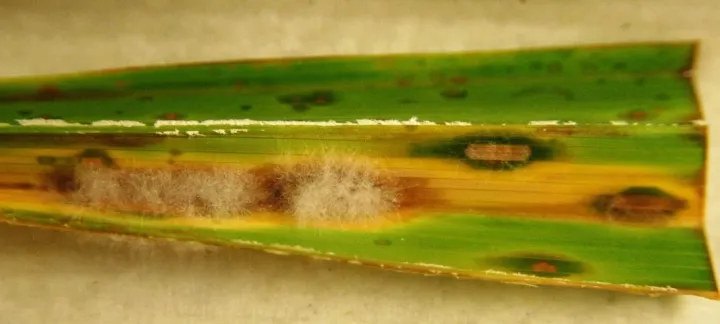
The primary symptom of Cylindrocladium rot is the appearance of distinct reddish-brown or dark lesions on the cranberry leaves. These spots gradually expand, leading to significant chlorosis and premature leaf drop.
Stem lesions are also characteristic of this disease, presenting as sunken areas that disrupt water and nutrient transport. As the infection progresses, these lesions can girdle the stems, leading to sudden wilting of the foliage above the infection site.
Under conditions of high humidity, a fine, fuzzy layer of mycelium may develop on the necrotic tissue. This white or greyish growth contains conidia that serve as secondary inoculum for further spreading.
Affected plants often display an uneven, patchy growth pattern in the field. As the pathogen destroys the root system and vascular tissues, the entire plant eventually loses vigor and dies.
Microscopic examination of the lesions often reveals the presence of specific fungal spores, confirming the identity of the pathogen as Calonectria colhounii.
Pathogen
The disease is caused by the fungus Calonectria colhounii, a persistent and aggressive phytopathogen belonging to the Ascomycota phylum. It is known for its ability to survive in diverse environments.
The fungus produces large numbers of conidia, which are easily disseminated by wind, water splashes, and agricultural machinery. This rapid spread makes the pathogen difficult to contain once established.
The pathogen infects the host by secreting enzymes that degrade plant cell walls, allowing the mycelium to penetrate and colonize host tissues effectively. This process triggers necrosis and plant collapse.
Calonectria colhounii can persist in the soil for several years by forming resilient structures such as microsclerotia, which remain dormant until conditions are favorable for germination.
The biological lifecycle of the fungus is closely tied to its ability to infect both the root and shoot systems of the cranberry plant, ensuring its survival across different seasons.
Conditions for development
High moisture levels are the most critical factor for the development of Cylindrocladium rot. Poorly drained fields or excessive irrigation provide the necessary water for spore germination.
Moderate temperatures, typical of the cranberry growing season, favor the rapid growth and sporulation of the fungus. Warm and wet weather conditions significantly accelerate the infection rate.
Dense crop canopies prevent adequate airflow, causing humidity to persist within the plant foliage. This creates a perfect microclimate for the fungus to establish itself and proliferate.
The overuse of nitrogen-based fertilizers can create overly succulent plant tissue, which is highly susceptible to penetration by Calonectria colhounii hyphae.
Contaminated equipment, such as pruners or harvesters moving between fields, is a common vector for spreading the pathogen, especially if cleaning protocols are not strictly followed.
Why it matters
The economic impact of Cylindrocladium rot is substantial, characterized by severe reductions in yield and the potential for total plantation loss if the infection remains unmanaged.
Premature leaf drop weakens the cranberry vines, preventing them from developing strong flower buds for the following year, which results in long-term decreased productivity.
Fruits harvested from infected plants are often of lower quality, showing reduced shelf life and poor marketability. In severe cases, the fruit itself may exhibit lesions or decay.
The cost of replacing infected plants and remediating the soil is extremely high. Often, affected areas must be removed and the soil treated to prevent further spread.
Persistent infection requires recurring investments in fungicides and intensive labor for monitoring, which severely cuts into the profitability of commercial cranberry farming operations.
Protection
Integrated disease management begins with site selection and proper field preparation. Ensuring excellent soil drainage is fundamental to reducing the risk of fungal establishment.
Starting with certified disease-free planting stock is the most important preventive measure. Regular scouting throughout the growing season helps to catch and isolate outbreaks early.
- Thinning of dense cranberry beds to improve air circulation.
- Sanitation, including the removal and destruction of all infested plant material.
- Thorough cleaning and disinfection of farm machinery and tools between sites.
- Application of approved systemic fungicides according to local regulations.
An effective control program involves rotating fungicide modes of action to prevent the development of resistance in Calonectria colhounii populations.
Promoting general plant health through balanced nutrient management, specifically managing nitrogen levels, can increase the natural defenses of the cranberry vines against fungal attacks.
Pathogens and affected parts
Affects crops · 1
Discussion
No discussions yet — be the first.