
Description
Symptoms
The most prominent sign of the disease is severe stunting, where the affected soybean plants stop growing and remain significantly smaller than healthy ones.
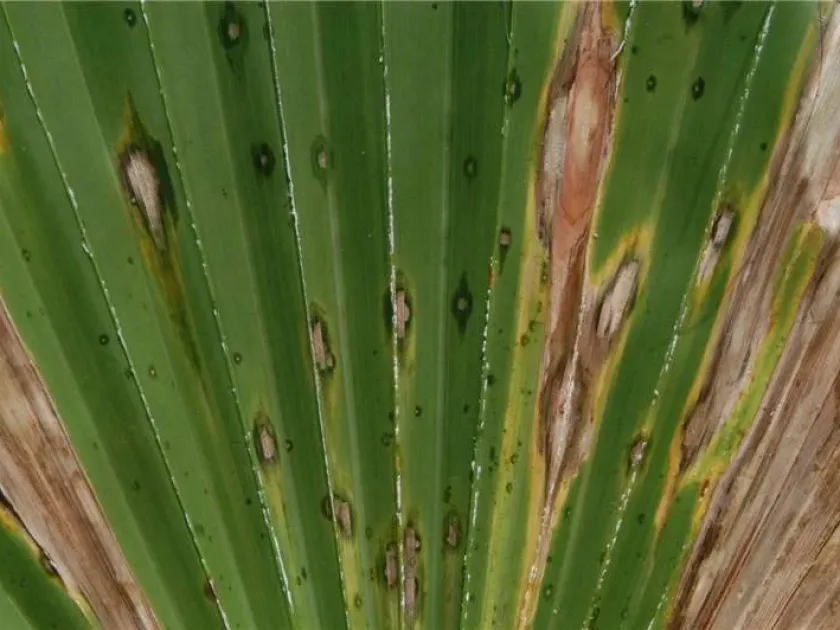
Leaves of infected plants develop necrotic patches that progressively expand, leading to chlorosis and eventually tissue death.
Internodal shortening is a diagnostic feature, often giving the plants a compact, bushy, or rosette-like appearance.
Flowering is usually inhibited or delayed, and any pods that do manage to form are often poorly developed or misshapen.
- leaf distortion and curling
- yellowing of leaf margins
- brown necrotic streaks on stems
- premature wilting of the plant
- root system impairment
Pathogen
The causative agent of this disease is the Soybean necrotic dwarf virus (SNDV), which is a serious viral pathogen affecting legumes.
This virus is typically transmitted by specific insect vectors, such as aphids or thrips, during their feeding process on the plants.
The virus enters the vascular system, spreading systemically throughout the plant and disrupting essential metabolic activities.
Inside the host, the pathogen interferes with normal cell development, causing the characteristic stunted appearance of the infected plants.
Molecular diagnostics are often required to confirm the presence of SNDV, as symptomology can sometimes overlap with other viral or physiological disorders.
Conditions for development
The spread of the virus is highly dependent on the population density of insect vectors, which thrive in favorable weather conditions.
Warm and humid environments promote the rapid multiplication of aphids and thrips, facilitating the transmission of the virus across the fields.
Perennial weeds surrounding soybean fields act as essential reservoirs, allowing the virus to overwinter and re-infect new crops in the spring.
Close proximity of new soybean plantings to older, infected fields significantly increases the rate of disease spread during the growing season.
Microclimatic conditions, such as those found in high-density plantings, can accelerate the movement of vectors and the subsequent transmission of the virus.
Why it matters
Soybean necrotic dwarf is highly destructive, often leading to total yield loss in severely affected patches of the field.
The reduction in seed quality is a major issue, as infected plants produce fewer, smaller, and less viable seeds that are unsuitable for planting.
Farmers face significant economic losses due to decreased grain weight and the high costs associated with pest control measures.
In cases of widespread infection, the plant's overall health is compromised, making it more susceptible to secondary infections by fungi or bacteria.
The disease impacts the sustainability of soybean production by complicating management practices and requiring increased use of chemical inputs.
Protection
Effective management begins with strict vector control, utilizing systemic insecticides to keep insect populations below the economic injury level.
Crop rotation and proper field hygiene, including the removal of weeds around the field edges, are vital to breaking the viral disease cycle.
Using virus-free, certified seed is the primary defense mechanism to prevent the introduction of the pathogen into new areas.
Implementing spatial isolation between newly planted fields and older soybean crops helps mitigate the risk of viral spread by insect vectors.
Regular scouting and monitoring programs are essential to detect initial outbreaks, allowing for quick response to contain the disease spread.
Pathogens and affected parts
Affects crops · 1
Discussion
No discussions yet — be the first.