
Coriolus zonatus
Coriolus zonatus
Description
Symptoms
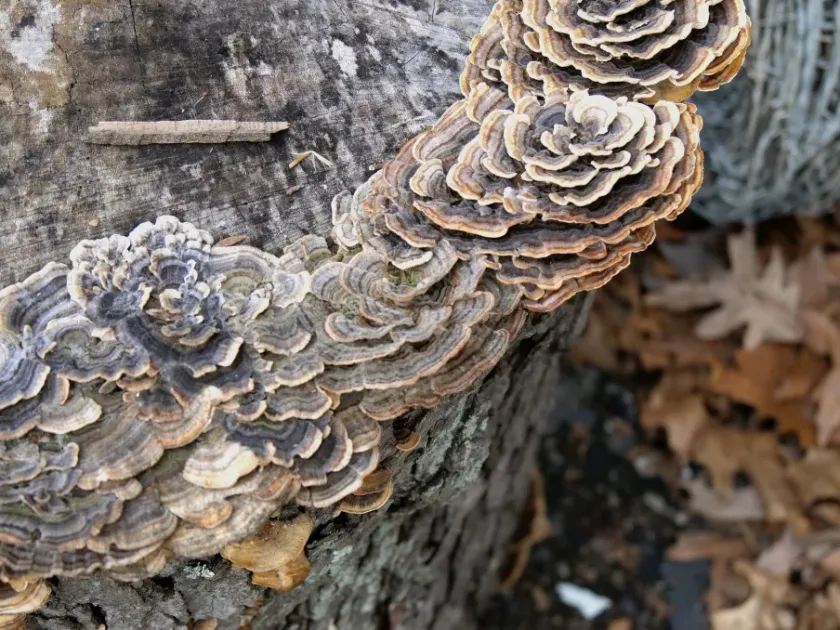
The most visible symptom is the presence of the bracket-like fruiting bodies on the trunk or large branches. These brackets are often arranged in tiers, indicating a significant internal infection.
Infected wood undergoes a clear change in texture. It becomes soft, bleached, and fibrous as the fungus degrades the wood matrix, which is a classic manifestation of white rot.
In the early stages, the bark near the point of infection may show discoloration or cracking. Sometimes, weeping or exudate may be visible around the entry site, indicating internal tissue damage.
As the disease progresses, the tree may exhibit canopy thinning, leaf yellowing, and dieback. These symptoms are consequences of the impaired transport of water and nutrients caused by the mycelial growth.
- Leathery, zoned bracket fruiting bodies.
- Soft and fibrous wood texture (white rot).
- Premature yellowing of the foliage.
- Presence of cracks or lesions on the tree bark.
Pathogen
The causal agent of this disease is the fungus Trametes zonata (scientifically known as Coriolus zonatus), a member of the basidiomycetes group. It is a wood-decaying fungus that primarily acts as a white rot agent.
It typically functions as a facultative parasite or a saprotroph, colonizing hardwood species. It targets trees that are stressed, injured, or have accumulated dead wood within their structure.
The fungus produces distinctive fruiting bodies, which appear as fan-shaped or semicircular brackets. These brackets are famous for their zoned, multicolored appearance, which is a key diagnostic feature.
The fungal mycelium spreads within the wood, producing enzymes that break down lignin and cellulose. This process leads to the loss of structural integrity of the host's wood fibers.
Spore production occurs on the underside of the fruiting bodies. These spores are dispersed primarily by wind and wind-driven rain, allowing the fungus to infect new hosts through open wounds.
Conditions for development
High humidity and moisture are the most critical factors for the development of Coriolus zonatus. Damp environments facilitate the germination of spores and the subsequent colonization of wood.
The existence of wounds, such as frost cracks, broken branches, or improper pruning cuts, provides direct entry points for the fungal spores to colonize the interior of the tree.
Stressed trees, whether from drought, nutrient deficiency, or overcrowding, have weakened defense mechanisms, making them highly susceptible to fungal infections.
Poor aeration in orchards or dense forest stands creates a microclimate that retains moisture, which significantly favors the growth and spread of wood-decaying fungi.
Temperatures ranging from 15 to 25 degrees Celsius are optimal for the growth of the mycelium, allowing the fungus to expand rapidly within the host during the growing season.
Why it matters
The primary harm caused by Coriolus zonatus is the progressive destruction of the tree's internal structure, leading to a significant loss of wood strength and stability.
For ornamental and orchard trees, this leads to a decrease in growth vigor, reduced yield, and, eventually, the structural failure of the tree, which poses a safety risk.
The timber value of infected trees is severely compromised, as the fungal degradation makes the wood useless for industrial or construction purposes.
In forest management, the fungus can rapidly spread among trees if sanitation measures are neglected, leading to a cumulative loss of canopy cover and ecosystem stability.
The disease is often insidious because the tree may appear healthy from the outside for a long time, while the wood is being actively consumed from the inside.
Protection
Good sanitation is the most effective management strategy. This includes the removal and proper disposal of dead, dying, or severely infected wood to minimize the spore load.
All pruning should be performed carefully to avoid unnecessary bark damage. Any wounds or fresh cuts should be treated with appropriate sealants to prevent fungal entry.
Maintaining high plant vigor through proper fertilization, irrigation, and soil management is essential to bolster the tree’s natural defenses against infections.
If fruiting bodies are found, they should be removed. In cases of localized infection, cutting out the infected wood back to healthy tissue can sometimes slow the disease's progress.
If the infection is widespread and the structural integrity is severely compromised, the entire tree must be removed to protect surrounding healthy plants from infestation.
Discussion
No discussions yet — be the first.