
Conocybe filaris
Conocybe filaris
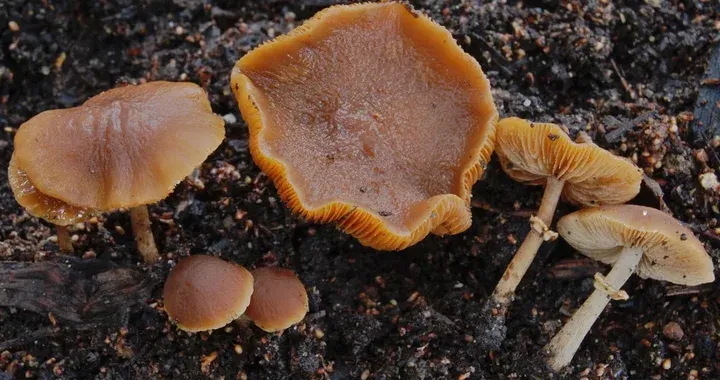
Description
Symptoms
The most evident sign of Conocybe filaris is the sudden emergence of small, brownish, fragile mushrooms after periods of rain or heavy watering.
The presence of a persistent ring on the stem is a diagnostic feature used by mycologists to distinguish it from other non-toxic lawn fungi.
Fruiting bodies often appear in patches or rings, particularly in areas treated with fresh wood chip or bark mulch, which serves as a primary substrate.
The fungus is usually spotted in its reproductive stage, though the underlying mycelial network may have already colonized a significant portion of the soil.
While the mushrooms are visually distinct, they are often small and can be overlooked by gardeners until they become numerous.
Pathogen
Conocybe filaris, currently often reclassified as Pholiotina rugosa, is a saprotrophic fungus belonging to the Bolbitiaceae family.
It is important to clarify that this fungus is not a plant pathogen; it does not infect plant tissues or cause plant diseases in the agronomic sense.
The fungus functions as a decomposer, breaking down organic matter such as decaying leaves, plant debris, and wood-based mulch in garden beds.
Biologically, it is a small, gilled mushroom characterized by a thin stem and a conical cap that usually appears in clusters.
Its presence in the environment is a natural result of organic decomposition processes, showing that the soil is rich in carbon-based nutrients.
Conditions for development
Conocybe filaris thrives in environments with high moisture content and an abundance of decaying organic matter available as a food source.
It prefers shady or semi-shady locations where the mulch layer remains consistently damp, preventing desiccation of the delicate mycelium.
Optimal temperatures for development typically range between temperate summer conditions, coinciding with the growing season of most ornamental plants.
Gardens that utilize thick layers of wood mulch are particularly prone to colonization, as these materials offer both structural and nutrient benefits to the fungus.
Poor soil aeration and persistent surface moisture due to improper irrigation practices further encourage the establishment of widespread fungal colonies.
Why it matters
The primary concern regarding this species is its high toxicity; it contains amatoxins, the same potent poisons found in deadly Amanita species.
Although it poses no threat to plant health, it represents a severe health risk to humans and domestic animals if accidentally ingested.
Ingestion of even small fragments can cause life-threatening liver damage, making its presence in gardens or recreational lawn areas a major safety issue.
Because the mushrooms are small and lack a bitter taste, they are particularly dangerous to pets and small children who might consume them unknowingly.
In a horticultural context, the harm is defined entirely by the danger to human health and the necessity to manage the garden environment safely.
Protection
Control strategies for Conocybe filaris focus on habitat modification and manual removal rather than chemical eradication.
Regular inspection and manual removal of fruiting bodies, performed while wearing gloves, is the most direct way to reduce the risk of accidental poisoning.
Reducing the thickness of mulch layers or replacing organic mulch with inorganic materials like gravel or stone can effectively inhibit future growth.
Improving soil aeration and optimizing irrigation schedules to prevent prolonged surface water retention will create a less favorable climate for fungal development.
Chemical fungicides are generally not recommended for managing this species, as they provide minimal control against the deep-seated mycelium and introduce unnecessary toxic chemicals into the garden soil.
Discussion
No discussions yet — be the first.