
Coniothyrium blight of dolichos
Coniothyrium dolichi
Description
Symptoms
The initial symptoms appear as small, circular or irregular spots on the leaves, usually brownish or grey in color. These spots are often surrounded by a darker border which marks the boundary of healthy tissue.
As the infection progresses, the lesions expand and may coalesce, covering larger areas of the leaf surface. In cases of severe infection, leaves turn yellow and eventually wither and fall off the plant.
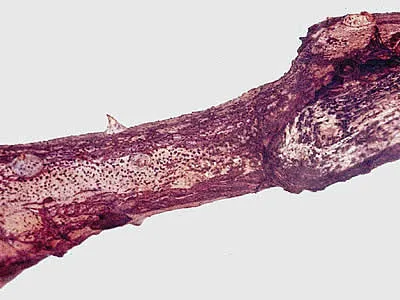
On stems and pods, the lesions become elongated and depressed. Upon close inspection, especially under high humidity, tiny black specks representing the fungal fruiting bodies (pycnidia) can be seen on the lesions.
Infected pods often show shriveled seeds, which are typically discolored and have low viability. This damage to the reproductive organs is particularly critical for seed production fields.
The overall appearance of infected plants is stunted and chlorotic. The loss of foliage reduces the photosynthetic capacity of the plant, directly impacting the final yield and seed quality.
Pathogen
The disease is caused by the fungus Coniothyrium dolichi, a member of the deuteromycetes class. This pathogen is known for attacking various legume crops, leading to significant physiological stress in host plants.
The fungus survives the winter primarily in infected plant debris left on the field. It produces pycnidia, which are small, dark structures that serve as the main survival mechanism and source of inoculum for the next season.
Conidia, the asexual spores produced within these pycnidia, are easily dispersed by rain splashes and wind currents. They land on healthy plant tissues and initiate new infection cycles upon germination.
The fungal mycelium invades plant tissues through stomata or wounds caused by insect feeding or mechanical damage. Once inside, it colonizes the intercellular spaces and secretes enzymes to degrade plant cells.
Biological control of this pathogen is difficult due to its ability to remain dormant under adverse environmental conditions. Its life cycle is highly responsive to moisture availability, ensuring rapid propagation during wet weather.
Conditions for development
High humidity and consistent rainfall are the primary environmental drivers for the development and spread of Coniothyrium dolichi. Spores require free water on plant surfaces to germinate effectively.
The pathogen thrives in moderate temperature ranges, typically between 18°C and 25°C. These conditions allow for rapid mycelial growth and shorter incubation periods between infection cycles.
Dense planting patterns that limit air circulation create a microclimate with high relative humidity. This trapped moisture provides an ideal environment for the fungus to spread from lower leaves to the upper canopy.
Waterlogged soil conditions or fields with poor drainage exacerbate the severity of the disease. Plants growing in such environments often have weakened immune systems, making them more susceptible to attack.
The presence of weeds or volunteer legume plants can act as alternative hosts during the off-season. Proper field hygiene is essential to remove these reservoirs of potential infection.
Why it matters
The economic impact of this disease is significant due to both yield reduction and quality degradation. A severe outbreak can lead to substantial crop loss, especially in sensitive varieties.
Reduced photosynthetic activity results in smaller seed size and lower nutrient density. For farmers, this means lower marketable value and poor results in commercial seed sales.
Infected seeds serve as carriers of the pathogen, which can lead to seedling blight in the following season. This poses a long-term threat to agricultural sustainability if proper certification is not maintained.
Weakened plant structures are more prone to secondary infections from other pathogens or pests. This synergistic effect can lead to the total collapse of the crop in favorable conditions for the fungus.
Management costs increase significantly when chemical intervention is required to save a crop from widespread infection. Prevention remains the most cost-effective approach for managing this blight.
Protection
Cultural practices are the first line of defense. Implementing a crop rotation program of at least 3 years away from legumes helps reduce the inoculum levels in the field soil.
Using high-quality, certified, and fungicide-treated seeds is crucial. Seed treatment helps prevent the introduction of the pathogen into new fields via the seed coat.
Promoting good airflow is essential; this is achieved by maintaining proper plant spacing and managing weed growth. Keeping the plant canopy dry after rainfall is a key preventive measure.
Fungicidal applications are necessary in high-pressure years to limit the spread of the disease. It is recommended to use systemic fungicides according to local agricultural guidelines to maximize effectiveness.
Deep plowing after harvest is highly recommended to bury infected plant residues. This promotes the rapid decomposition of the biomass and destroys the pycnidia that would otherwise survive the winter.
Discussion
No discussions yet — be the first.