
Colletogloeopsis
Colletogloeopsis
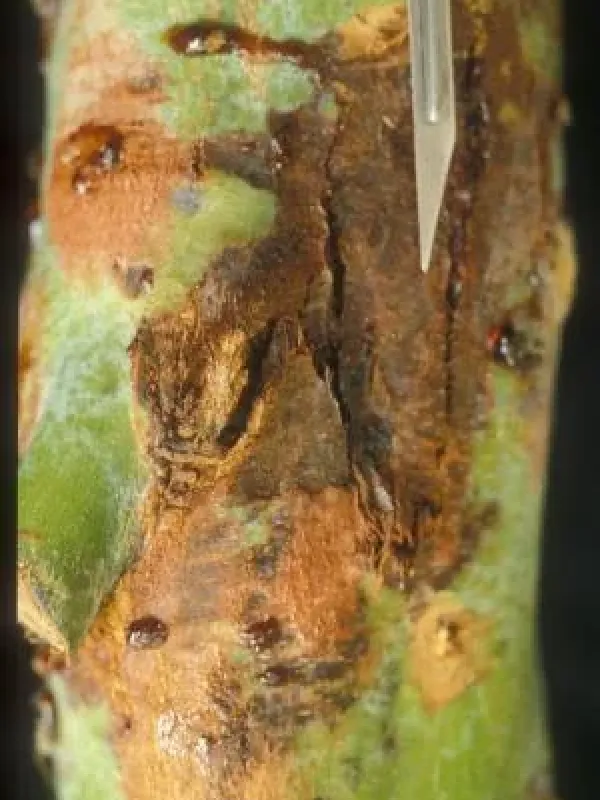
Description
Symptoms
The primary symptom of infection is the development of leaf spots, which appear as small, chlorotic lesions that gradually enlarge and turn necrotic or dark brown.
These necrotic lesions are often surrounded by a characteristic halo, reflecting the plant's physiological stress response to the invading fungal toxins.
On the underside of the leaves, the presence of acervuli can be seen as small dark eruptions or pimple-like structures, which are clusters of fungal spore-producing tissue.
In cases of high disease pressure, heavy defoliation occurs, leading to a significant loss of photosynthetic capacity and affecting the tree's overall vigor.
Young shoots may also show signs of distortion, and in some species, the fungus may cause localized dieback of terminal branches, hindering vertical growth.
Pathogen
Colletogloeopsis is a genus of anamorphic fungi belonging to the order Diaporthales. These fungi are primarily recognized as significant pathogens affecting various woody plant species, especially within the Myrtaceae family.
The fungus reproduces through conidia, which are produced in structures called acervuli. These fruiting bodies rupture the host epidermis to release spores into the environment.
Molecular studies have placed these fungi within the group of pathogens that cause localized tissue death in leaves. They exist as mycelial networks that thrive within the host's parenchymal cells.
The taxonomic classification of these pathogens can be complex, as they often exhibit morphological similarities to other related genera, making genetic analysis necessary for precise identification.
The survival of the fungus is ensured by its ability to remain dormant in host debris, ready to initiate a new infection cycle when environmental conditions become favorable.
Conditions for development
High humidity and consistent rainfall are the most critical environmental conditions that facilitate the germination of conidia and subsequent infection of the host tissue.
Warm, mild temperatures typical of temperate to tropical climates provide an ideal range for the rapid mycelial growth and sporulation of the fungus.
Poor aeration within dense tree stands prevents leaf surfaces from drying quickly after rain, creating a perfect microclimate for the pathogen to thrive.
Plants suffering from drought, nutrient deficiency, or other environmental stressors are significantly more susceptible to successful colonization by the fungus.
The proximity of infected plant debris to healthy foliage serves as the primary inoculum source, especially during seasons with persistent fog or heavy dew.
Why it matters
The economic impact of Colletogloeopsis is primarily felt in commercial forestry, where reduced growth rates and tree death lead to significant financial losses.
Chronic infection weakens the tree's immune system, making it more prone to secondary infestations by wood-boring insects or other opportunistic pathogens.
In nurseries, the pathogen can cause devastating losses of young saplings, disrupting reforestation efforts and causing management delays.
The loss of foliage leads to a reduction in carbon sequestration potential, which is a concern in large-scale tree plantations and managed forests.
Persistent defoliation over multiple seasons can lead to the overall decline and eventual mortality of even mature trees, especially in unfavorable growing conditions.
Protection
Effective management begins with the selection of resistant genotypes, which is the most sustainable approach to mitigating the impact of the disease in commercial plantations.
Improved silvicultural practices, such as maintaining appropriate stand density, help ensure adequate airflow to reduce humidity around the foliage.
Strict sanitation measures, including the removal and destruction of infected leaf litter and pruned materials, are essential to reduce the local spore load.
Chemical control using systemic or contact fungicides is recommended in nursery settings to protect young plants during the most vulnerable stages of their development.
- Regular monitoring of tree health and early symptom detection.
- Implementation of biosecurity protocols for nursery stock.
- Balanced fertilization to improve overall host resistance.
Discussion
No discussions yet — be the first.