
Coccodinia
Coccodinia
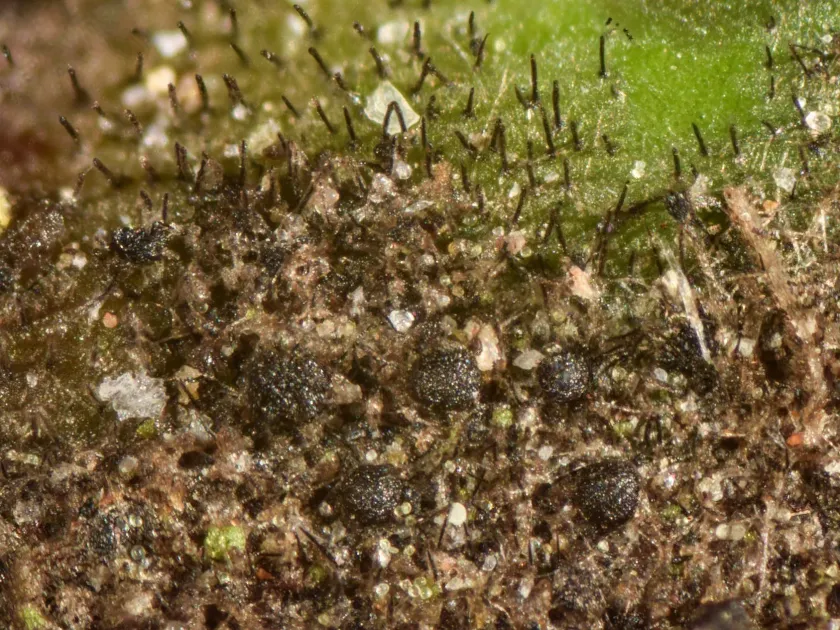
Description
Symptoms
The most visible signs of Coccodinia are dark, distinctive spots appearing on leaves, which may vary in shape and size depending on the specific host species.
Over time, these spots can become rough or crusty due to the development of fungal fruiting bodies on the surface of the leaf tissue.
As the infection progresses, the lesions may coalesce, leading to extensive chlorosis, necrosis, and premature defoliation of the affected branches.
On young twigs, the disease manifests as dark, sunken areas that can potentially girdle the shoot, causing the distal part to wilt and eventually die back.
In cases of severe infestation, the tree exhibits signs of general distress, including reduced leaf density and an overall lack of vigor compared to healthy specimens.
Pathogen
The disease is caused by a fungus belonging to the Coccodinia genus, a type of ascomycete fungi. This pathogen acts as a localized parasite that primarily affects the aerial parts of woody plants and shrubs.
The fungus produces fruiting bodies known as ascostromata, which are embedded within the host tissue, allowing the pathogen to persist and survive throughout the growing season.
Reproduction occurs via spores that are disseminated primarily by wind currents and water splashing during rainfall events, facilitating the spread of the disease within an orchard.
The fungal mycelium invades the plant epidermis and cuticle, utilizing the plant's resources to complete its life cycle and expand its colonization area.
It remains dormant in infected plant debris during the winter months, emerging in the spring when environmental conditions become suitable for active growth again.
Conditions for development
High humidity and prolonged periods of wet weather are the primary environmental drivers that favor the germination and spread of Coccodinia spores.
Poor aeration within the canopy, often caused by excessive planting density or lack of pruning, significantly increases the risk of successful infection.
Plants that are weakened due to nutrient deficiencies, drought stress, or previous insect damage are considerably more susceptible to this fungal pathogen.
The presence of uncollected leaf litter provides an ideal overwintering site for the fungus, ensuring a high inoculum level at the start of the next growing season.
Moderate temperatures, typically ranging between 18 and 25 degrees Celsius, provide the optimal metabolic environment for the rapid colonization of host tissues by the fungus.
Why it matters
The economic impact of Coccodinia is largely attributed to premature leaf loss, which limits the plant's capacity for photosynthesis and energy production.
Reduced photosynthetic activity leads to weakened fruit development, resulting in lower yields and poorer quality produce that may not meet market standards.
Persistent infection leads to twig dieback and potential structural damage, which can compromise the long-term health and productivity of the entire tree.
Cumulative stress from the disease makes the plant more vulnerable to secondary infections and abiotic stressors like extreme cold or frost.
Ongoing maintenance costs, including regular fungicide treatments and intensive pruning, increase the overall expense of managing the affected plantation.
Protection
Effective management begins with robust sanitation practices, including the removal and destruction of all fallen leaves and infected branches to reduce inoculum.
Implementing proper spacing between plants is essential to ensure adequate airflow, which helps leaves dry quickly and inhibits fungal spore germination.
Applying preventative fungicide treatments during the early spring or periods of high humidity can help protect susceptible foliage and young growth from infection.
Maintaining optimal soil fertility through balanced fertilization programs helps support the plant's natural immune system and overall structural integrity.
Regular monitoring of the plantation, particularly after heavy rainfall, allows for early detection of symptomatic leaves and prompt intervention to prevent wider outbreaks.
Discussion
No discussions yet — be the first.