
Citrus zonate spot
Citrus zonate chlorosis agent
Description
Symptoms
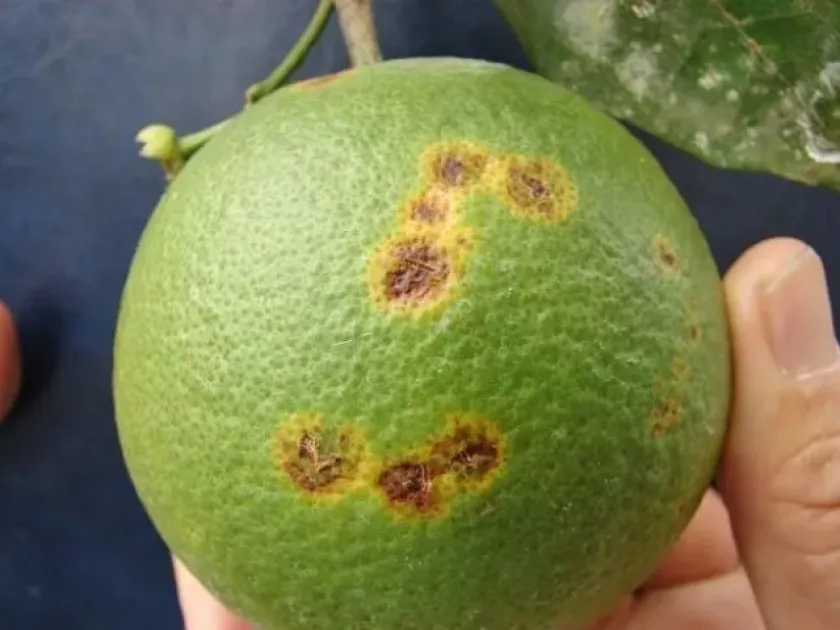
The most distinctive sign of the disease is the development of necrotic spots with concentric rings, often appearing as "zonated" patterns on the leaves and fruit surface.
On leaves, these spots initially appear as small, brownish lesions that expand over time. Eventually, affected tissue may wither, leading to premature leaf abscission.
Fruit symptoms include depressed, discolored areas that sometimes develop soft rot. The internal quality of the fruit is severely degraded, making them unsuitable for fresh market sale.
Twigs and branches may show signs of cracking and gummosis, where the plant secretes gum as a defense response to the invasive fungal mycelium.
In advanced stages, small, black, pin-sized structures known as pycnidia become visible on the surface of the lesions, especially under magnification, confirming the fungal origin of the spot.
Pathogen
Citrus zonate spot is a fungal disease primarily caused by the pathogen Phomopsis citri (also known as Diaporthe citri). The fungus thrives in warm, humid conditions and is highly efficient at colonizing citrus tissues.
The disease affects various parts of the plant, including leaves, twigs, and fruit. It belongs to the Ascomycota phylum and produces pycnidia, which serve as overwintering structures and sources of inoculum.
Pathogenesis involves the penetration of the fungus through stomata or surface wounds. Once inside, the mycelium spreads, causing characteristic necrosis and structural damage to the plant's cells.
This pathogen relies on moisture for spore germination and dispersal. During rainy seasons, the conidia are splashed onto leaves and fruit, starting the infection cycle anew.
The fungus can persist in decaying plant debris and dead wood within the canopy, making sanitation a critical component of disease management in citrus groves.
Conditions for development
High relative humidity and frequent rainfall are the primary environmental drivers for the development of Citrus zonate spot. The disease flourishes when temperatures range between 20°C and 25°C.
Poor orchard sanitation is a major factor, as the pathogen thrives in unpruned trees where dead wood and leaf litter accumulate. These remnants provide a consistent reservoir for fungal spores.
Insufficient air circulation within the tree canopy traps moisture on the leaf surfaces, creating an ideal microclimate for the fungus to establish and spread.
Citrus trees stressed by poor soil quality, nutrient deficiencies, or inadequate water management are significantly more susceptible to infection compared to vigorous, well-maintained trees.
Overhead irrigation systems can facilitate the rapid transmission of spores, particularly if the water source or the foliage has been previously exposed to the pathogen.
Why it matters
The disease causes significant damage by reducing the total photosynthetic area of the tree. As leaves fall off prematurely, the tree's ability to produce energy is severely compromised.
Economic impact is largely due to the loss of marketable fruit. Infected citrus fruit lose their shelf life, market appeal, and overall quality, resulting in substantial financial losses for growers.
Severe infestations weaken the trees, making them more prone to secondary pests and environmental stressors, which can ultimately lead to tree decline or death.
Frequent fungicide applications are often required to keep the disease in check, adding to production costs and creating potential challenges with chemical residues.
In nurseries, the disease can stunt the growth of young saplings, rendering them unfit for sale and leading to quarantine issues regarding the movement of plant material.
Protection
Effective management begins with strict orchard hygiene, including the removal and destruction of infected twigs, branches, and fallen leaves to reduce the primary inoculum load.
Regular pruning is essential to improve airflow through the canopy, which helps leaves dry faster after rain and prevents the accumulation of moisture needed by the fungus.
Chemical control involving copper-based fungicides or other authorized systemic treatments should be applied preventatively during periods of high humidity and rainfall.
Proper nutrient management, particularly balancing nitrogen levels and ensuring sufficient potassium, helps maintain a robust immune system in the citrus trees.
All pruning equipment should be sterilized between trees to prevent mechanical transmission of the pathogen, which is a common but often overlooked vector for spreading disease.
Discussion
No discussions yet — be the first.