
Citrus gummosis
Citrus gum pocket agent
Description
Symptoms
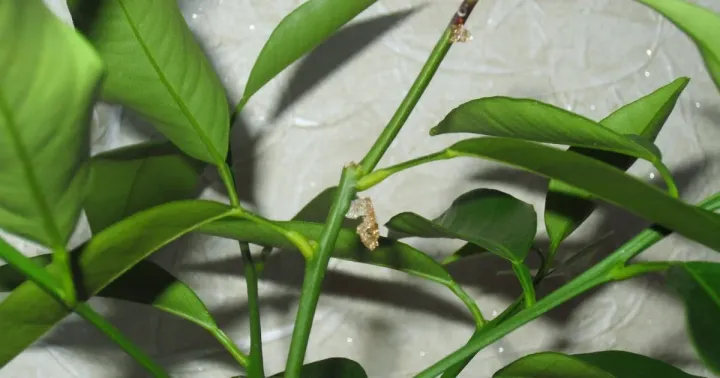
The most visible symptom is "gumming"—the profuse oozing of a sticky, amber-colored sap from cracks in the bark. Over time, these oozes harden into thick, dark crusts, while the underlying bark begins to crack and decay.
In the early stages, affected bark exhibits dark, water-soaked, and sunken areas. Removing the dead outer bark often reveals a discolored, brown, and foul-smelling layer of necrotic wood beneath, indicating deep-seated damage.
The foliage of infected citrus trees becomes chlorotic, eventually yellowing and shedding prematurely. The tree enters a state of decline, where new growth is stunted or absent, reflecting the systemic stress caused by root and trunk necrosis.
When the infection rings the trunk or the root collar, the tree loses the ability to conduct sap, leading to sudden death. Roots may also become severely decayed, appearing brown and soft, further weakening the tree's anchor and nutrient uptake.
- Vertical cracking of trunk bark.
- Exudation of sticky amber gum.
- Necrosis of the inner bark and cambium.
- Yellowing and premature leaf drop.
- Overall canopy thinning and stunted growth.
Pathogen
Citrus gummosis is primarily caused by soil-borne oomycetes of the genus Phytophthora, most notably Phytophthora parasitica and Phytophthora citrophthora. These pathogens are highly destructive to citrus root systems and trunk bark.
The infection initiates when zoospores from the soil come into contact with the bark, especially near the rootstock. Once the fungus enters the tissue, it colonizes the cambium, disrupting the tree's vascular system and nutrient transport.
Although Phytophthora is the main culprit, the disease is often exacerbated by secondary bacterial or fungal infections that colonize the wounded tissue. This dual-threat environment makes healing more complex and prognosis often poorer.
These fungi are exceptionally resilient, surviving in the soil for years as resting spores. In the presence of standing water, they produce mobile zoospores that can spread rapidly across an orchard through irrigation or rain runoff.
Biologically, fighting this pathogen is challenging because the fungal mycelium penetrates deep into the wood layers. Therefore, cultural practices that prevent the pathogen from establishing itself are considered the gold standard for management.
Conditions for development
High moisture levels in the soil are the primary driver of gummosis. Poorly drained soil, excessive irrigation, or deep planting—where the root flare is buried under soil—creates a high-humidity zone perfect for fungal colonization.
Mechanical damage to the bark, caused by gardening tools or garden maintenance, provides a direct entry point for spores. Once a breach in the protective bark layer occurs, the pathogen can quickly overwhelm the tree's local defenses.
Optimal temperatures for Phytophthora development typically range from 20 to 25 degrees Celsius. During warm, rainy seasons, the spread of the pathogen within the orchard can accelerate drastically if preventative measures are absent.
Lack of proper aeration around the base of the tree is another significant factor. Densely planted orchards with poor airflow maintain high humidity around the trunks, facilitating the development of the fungal disease throughout the growing season.
Nutrient deficiency, particularly a lack of potassium, lowers the tree's natural defense systems. Weakened trees lack the biochemical reserves to contain local infections, allowing the disease to spread rapidly through the trunk.
Why it matters
Citrus gummosis causes significant economic losses by drastically reducing fruit yield and quality. Infected trees produce smaller, inferior fruit, and heavy infestations lead to premature fruit drop, impacting the overall orchard harvest.
The disease leaves trees in a chronically weakened state, making them highly susceptible to secondary pests such as scale insects or spider mites. A tree burdened by gummosis often loses its ability to withstand environmental stress like frost.
In commercial orchards, gummosis necessitates the removal and replacement of affected trees. This involves significant costs for labor, stump removal, and the time required for new trees to reach their productive maturity stages.
The ability of the pathogen to spread via irrigation water and tools makes it a threat to the entire orchard unit. Rigid quarantine and sanitation protocols are required to prevent the disease from becoming endemic in the plot.
Long-term damage to the trunk often leads to structural instability or crown deformity. Even after successful treatment, affected trees may have a shortened lifespan and a lower capacity to respond to future agricultural challenges.
Protection
The primary control strategy is ensuring excellent soil drainage and managing irrigation carefully. The root collar must remain dry; clearing soil away from the base of the trunk to expose the root flare is a highly effective preventative measure.
Treatment involves the surgical removal of dead bark tissue until healthy tissue is exposed. These sites should be sanitized with copper-based fungicides or specialized pastes to inhibit further fungal growth and promote healing.
Regular preventive sprays with copper-based fungicides during the growing season protect the trunk and canopy. These applications create a chemical barrier that discourages spore germination and protects the trees from new infections.
Strict disinfection of pruning tools is mandatory. Using alcohol or chlorine solutions to sterilize blades between every tree prevents the mechanical transfer of fungal spores, significantly reducing the risk of spread throughout the orchard.
Maintaining a balanced nutrient program, with an emphasis on phosphorus and potassium, helps trees develop internal biochemical defenses. A well-nourished tree is better equipped to compartmentalize infections and survive potential exposure to the pathogen.
Discussion
No discussions yet — be the first.