
Citrus dwarfing
Citrus dwarfing viroid
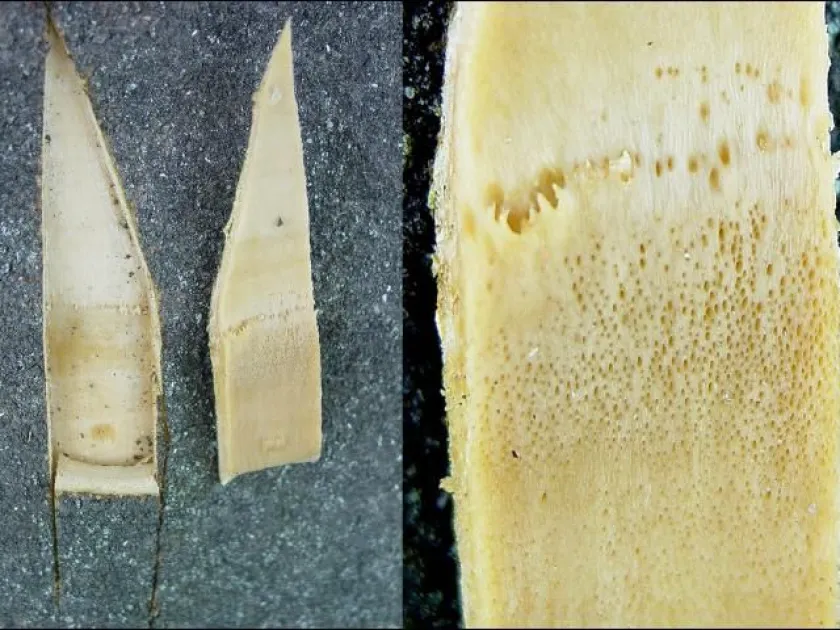
Description
Symptoms
The most prominent sign is a drastic reduction in tree height and canopy volume, often making the tree look significantly smaller than healthy trees of the same variety and age.
Leaves often show size reduction (microphylly) and may exhibit mosaic-like patterns or slight chlorosis, reflecting the nutritional imbalances caused by the systemic infection.
Internodal segments on the branches are shortened, resulting in a compressed, compact, and somewhat bushy appearance of the affected tree limbs.
Fruit production is severely affected, with trees bearing fewer and smaller fruits that often have thick rinds and poor juice content, significantly reducing their marketability.
In later stages, branch dieback and overall lack of vigor become apparent, as the tree becomes increasingly susceptible to environmental stress and secondary pathogen colonization.
Pathogen
The disease is caused by the Citrus dwarfing viroid (CDVd), a member of the Pospiviroidae family. These pathogens are small, circular, single-stranded RNA molecules that do not encode proteins but replicate by hijacking the host's cellular machinery.
The viroid primarily invades the plant's vascular tissue, disrupting the translocation of essential nutrients and hormones, which directly leads to the stunted growth characteristic of the disease.
Transmission of the viroid occurs primarily through infected propagation materials, such as budwood and rootstocks used in grafting processes, which is why nursery certification is critical.
Mechanical transmission is another significant pathway, as contaminated pruning tools can easily spread the viroid from infected to healthy trees in a commercial orchard setting.
Due to the absence of a lipid envelope, the viroid is highly resistant to environmental stressors, allowing it to persist on surfaces of tools and machinery for extended periods.
Why it matters
The primary economic impact is the loss of yield potential, as infected trees fail to reach their full productive capacity and produce fruits of lower commercial grade.
Orchards affected by citrus dwarfing suffer from reduced longevity, leading to the necessity for premature tree removal and costly replanting programs for the grower.
The quality of harvested fruit is compromised, leading to lower prices in the market and difficulty in meeting the standards for export or high-quality processing.
Infection serves as a continuous reservoir for further spread within the orchard, threatening even young and vigorous plantings through routine maintenance activities.
Management costs increase significantly due to the need for continuous surveillance, diagnostic testing, and the removal of infected trees to maintain the health of the remaining orchard.
Protection
The foundation of effective management is the use of pathogen-free, certified budwood and rootstocks from reliable nurseries that conduct routine molecular testing for viroids.
Rigorous sanitation protocols are mandatory; all pruning tools must be disinfected between trees using effective virucidal agents such as sodium hypochlorite or specialized alcohol-based solutions.
Early identification through visual inspection followed by diagnostic laboratory confirmation (such as RT-PCR) is essential for the timely removal of infected trees to halt the spread.
Implementing quarantine procedures and isolating new plantings from older, potentially infected sections of the orchard can significantly reduce the risk of transmission.
- Regular training for orchard workers on biosecurity measures and the importance of tool sterilization.
- Avoidance of grafting from trees with unknown health status or suspicious growth characteristics.
- Maintaining optimal soil health and nutrition to support tree vigor, although this cannot cure an existing viroid infection.
Discussion
No discussions yet — be the first.