
Cilevirus
Cilevirus
Description
Symptoms
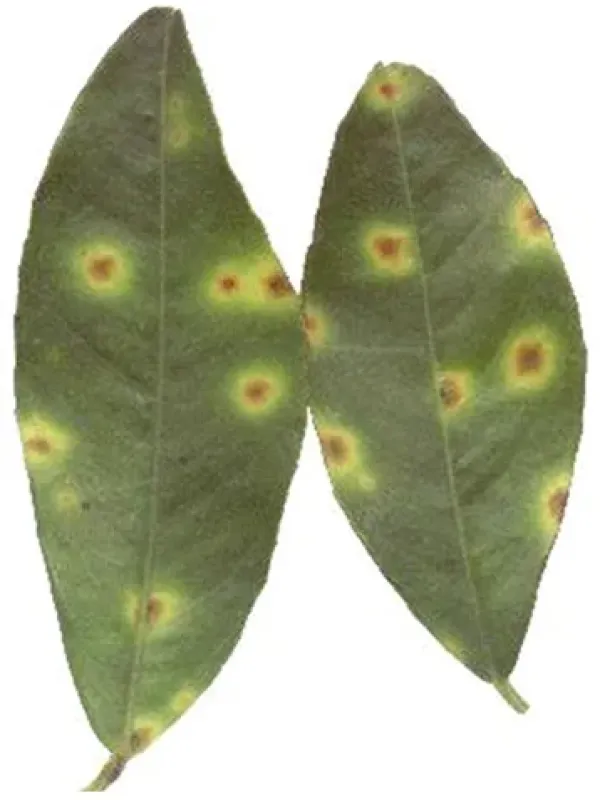
The most prominent visual signs of Cilevirus infection are specific chlorotic or necrotic spots on leaves, fruits, and young branches. These spots often feature a distinct halo, which helps distinguish them from fungal-induced blemishes.
On citrus fruits, the disease manifests as ring-shaped spots or deep necrotic depressions, which render the harvest commercially unviable and unsuitable for export.
Leaves on infected trees may show signs of deformation, premature yellowing, and eventual leaf drop. In severe cases, the entire tree exhibits stunted growth and progressive dieback of fruit-bearing twigs.
Microscopic examination often reveals the presence of Brevipalpus mites near the lesions, as their feeding activity creates the micro-wounds through which the virus enters the plant tissue.
Symptom expression can vary significantly based on the citrus cultivar, the age of the tree, and environmental conditions, often complicating early detection in commercial orchards.
Pathogen
Cilevirus is a genus of plant viruses that cause significant diseases in fruit crops, most notably citrus. These infectious agents belong to a group of single-stranded RNA viruses that require specific host conditions for replication within plant cells.
The virus, primarily associated with Citrus leprosis disease, was historically misidentified as a mycoplasma-like organism. Advances in genomics have since confirmed its unique viral nature and distinct taxonomic classification.
The primary vectors for Cilevirus transmission are false spider mites of the genus Brevipalpus. The virus is persistent within the mite, allowing for efficient and rapid spread across citrus orchards.
The biological strategy of the virus involves creating localized necrotic lesions. While the infection is not always systemic throughout the entire tree, it severely disrupts essential physiological processes like photosynthesis.
Ongoing research into Cilevirus diversity is crucial, as new strains continue to emerge, adapting to different citrus varieties and expanding their geographic range in subtropical climates.
Conditions for development
The spread of Cilevirus is directly linked to the population dynamics of Brevipalpus mites. Hot, dry weather conditions are ideal for their rapid multiplication on the underside of leaves.
Failure to follow recommended agronomic practices, particularly the lack of systematic pest management, creates an environment where the virus can thrive and persist.
The trade of non-certified or infected planting material remains the primary driver for spreading the virus to new, previously disease-free regions.
While humidity levels can influence mite migration, the virus remains viable within host tissues regardless of temporary environmental fluctuations.
Lack of monitoring for secondary host plants or wild reservoirs surrounding the orchard significantly increases the risk of reinfection from external sources.
Why it matters
The primary economic impact is the drastic reduction in fruit quality. Necrotic lesions and deformations make the fruit unacceptable for premium markets and international trade.
Cilevirus infection causes mass fruit drop and premature shedding of blossoms, leading to a substantial decrease in yield and significant financial losses for growers.
Infected trees suffer from stress and weakened immune systems, making them highly susceptible to secondary fungal or bacterial pathogens that further degrade plant health.
Because Cilevirus is considered a dangerous quarantine pest in many countries, detection can lead to strict trade restrictions and loss of market access for affected regions.
Chronic infection drains the tree’s energy reserves, leading to premature aging and requiring the costly replacement of productive orchards.
Protection
The cornerstone of protection is the systematic control of Brevipalpus mite populations through the timely application of registered acaricides.
Using only certified, virus-free planting material is the most effective preventative measure to ensure the long-term health of young orchards.
Sanitary pruning and the removal of heavily infected branches can help lower the overall viral load within the orchard environment.
Regular monitoring of surrounding vegetation for alternative hosts and reservoirs is essential to prevent the external introduction of the virus.
- Scheduled acaricide spray programs.
- Biological control using predatory mites.
- Strict quarantine protocols for nursery stock.
- Ongoing surveillance of leaf and fruit conditions.
Discussion
No discussions yet — be the first.