
Description
Symptoms
The primary symptom of the disease is a significant stunting of the tree growth, leading to a dwarf appearance. Internodes become shortened, and the canopy structure often appears distorted, thin, and stunted compared to healthy trees.
Leaves exhibit characteristic chlorosis, often presenting as mosaic patterns or vein clearing. Foliage size is typically reduced, and leaves may undergo premature senescence and abscission, which weakens the plant's overall photosynthetic capability.
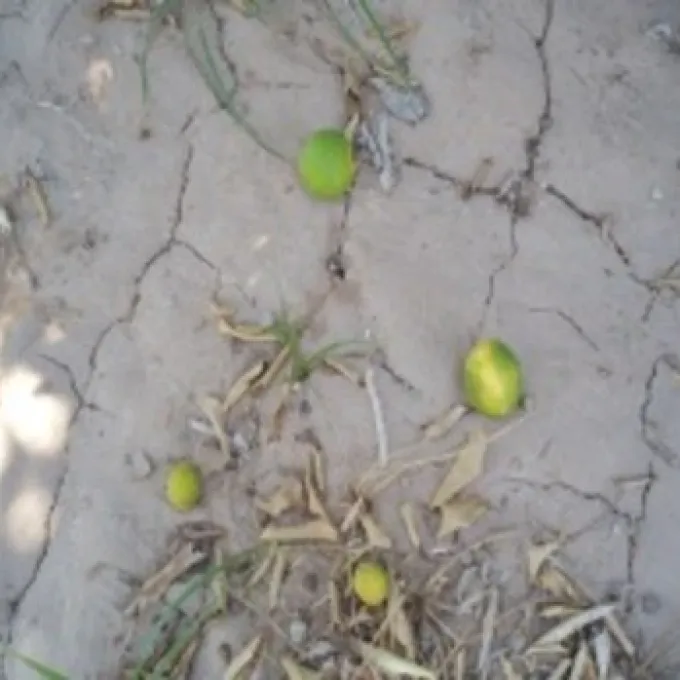
Fruit production is severely affected, with fruits often appearing small, deformed, and having poor juice quality. The rind may show abnormal coloration or uneven maturation, making the produce unsuitable for commercial distribution.
The root system often shows signs of degeneration as the disease progresses, reducing the plant's ability to absorb water and essential minerals. This systemic weakening leads to an overall lack of vigor in the entire tree.
In advanced stages, infected trees may fail to bloom or set fruit entirely. The cumulative stress from the viral infection leads to a terminal decline, often resulting in the death of the tree if left unmanaged.
Pathogen
The disease is caused by a specific virus that colonizes the vascular tissues of citrus species. It interferes with the host's physiological processes, specifically the regulation of chlorophyll production and nutrient transport.
This is a viral-type pathology that is primarily transmitted through infected budwood used during propagation. In addition to graft transmission, various sap-sucking insects act as vectors, moving the virus between trees in the field.
Conditions for development
The spread of the disease is heavily reliant on the quality of nursery stock. Propagating plants using budwood from infected mother trees is the most common way the virus enters a new orchard environment.
Environmental conditions that favor the rapid reproduction of insect vectors, such as aphids and whiteflies, greatly increase the risk of field spread. Warm and humid climates are particularly conducive to the activity of these vectors.
Why it matters
The economic impact is primarily due to the severe loss of commercial yield and reduced fruit quality. Infected orchards often become unproductive, requiring systematic removal and replacement of entire tree blocks.
Damage includes not only the immediate loss of fruit but also the increased costs associated with orchard monitoring and the strict quarantine measures needed to prevent the disease from spreading to neighboring plantations.
Protection
The cornerstone of disease management is the exclusive use of certified, virus-free nursery stock. Implementing rigorous inspection protocols for all new plantings is essential to keep orchards free from the virus.
Strict quarantine and biosecurity measures should be implemented to prevent the introduction of the pathogen into new areas. Immediate eradication and destruction of symptomatic trees are necessary to remove the source of infection.
Vector control programs using integrated pest management strategies are crucial for minimizing transmission. Controlling populations of aphids and other sap-sucking insects reduces the rate of secondary spread in the orchard.
Sanitation practices, such as the disinfection of pruning tools and grafting equipment, are vital to preventing mechanical transmission. Using appropriate disinfectants between trees is a standard preventative measure.
Maintaining optimal tree health through balanced fertilization and appropriate irrigation helps the trees withstand stress. While these practices do not cure the virus, they support the tree's resilience during the early stages of infection.
Pathogens and affected parts
Affects crops · 1
Discussion
No discussions yet — be the first.