
Cherry short
Cherry short stem agent
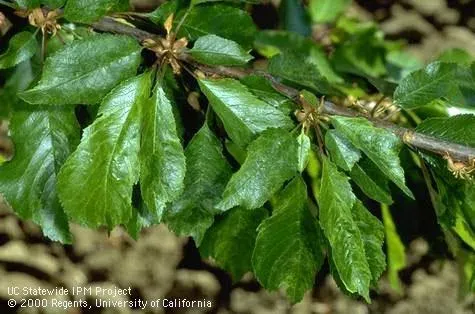
Description
Symptoms
The most distinct symptom is the reduced size of the leaves, which become narrow, elongated, and often deformed. The foliage may appear wavy or exhibit irregular margins compared to healthy trees.
Internodal distances on the shoots are drastically shortened, leading to a crowded or broom-like growth habit. This results in severe stunting, giving the entire tree a dwarf-like appearance.
Flowering is typically inhibited or sparse. If fruit development occurs, the berries are usually undersized, misshapen, and commercially valueless, failing to reach proper maturity or flavor profiles.
Leaves may show chlorotic patterns or premature yellowing as the season progresses. This decline in pigment is a direct result of impaired systemic functions caused by the viral load.
Over time, the cumulative effect of the disease leads to twig dieback and a gradual weakening of the roots, which can ultimately result in the death of the entire tree if left unmanaged.
Pathogen
Cherry short, or cherry dwarf disease, is a viral infection that significantly impacts stone fruit orchards. The primary pathogen involves specific viral complexes, most notably the Cherry dwarf virus, which disrupts the normal developmental biology of the tree.
The virus acts as a systemic pathogen, colonizing the phloem and interfering with the transport of carbohydrates and essential nutrients from the foliage to the rest of the tree. This disruption causes stunted growth and physiological collapse.
Transmission occurs primarily through the use of infected grafting material or vegetative propagation from diseased mother trees. Once established, the virus remains present in all parts of the tree for its entire lifespan.
In addition to grafting, certain soil-borne nematodes act as vectors, facilitating the spread of the virus by feeding on the root systems of trees. This creates clusters of infection within orchard blocks.
Because viral diseases cannot be treated with chemical pesticides, the biological cycle of the virus necessitates strict adherence to sanitation and containment protocols.
Conditions for development
The primary factor for disease development is the introduction of the virus via contaminated nursery stock. The latent period of the virus can allow infected trees to be planted without showing immediate symptoms.
Environmental conditions that favor the proliferation of soil nematodes are critical for the spread of the disease. Moist soils and certain horticultural practices can exacerbate the activity of these vectors.
Trees undergoing abiotic stress, such as drought, poor nutrition, or excessive mechanical damage during soil tillage, are more susceptible to the impact of the virus, showing symptoms more rapidly.
The presence of weeds in the orchard can serve as alternative hosts for both the virus and the vectors, increasing the risk of transmission to the cherry trees.
Warm and prolonged growing seasons may extend the window of activity for insect and nematode vectors, thereby increasing the probability of new infections within the orchard block.
Why it matters
Cherry short disease causes severe economic loss by rendering orchards unproductive. Yield reduction is usually total on affected trees, making them a net drain on farm resources.
The lifespan of trees is significantly reduced, necessitating early orchard replanting. This forces growers to incur substantial costs associated with tree removal and new establishment.
Fruit quality is severely compromised, making the produce unsuitable for fresh market or processing channels. This degrades the reputation of the orchard and reduces overall profitability.
The presence of even a few infected trees threatens the health of the entire orchard, as the disease spreads steadily through roots and grafting activities, leading to potential regional epidemics.
As there is no cure, the long-term sustainability of the cherry orchard depends entirely on the exclusion of the virus and the proactive management of the disease environment.
Protection
The most effective strategy is the use of certified virus-free nursery stock. Sourcing material from reputable programs that implement rigorous testing is the only way to ensure initial orchard health.
Orchard sanitation is paramount. Any tree showing symptoms of cherry short must be identified, removed promptly along with its root system, and incinerated to prevent the spread to adjacent healthy trees.
Managing soil-borne vectors is crucial. Soil fumigation, when necessary, or the use of cover crops that discourage nematode populations can significantly reduce the risk of secondary infections.
Sanitize all pruning equipment using alcohol or appropriate disinfectants between every tree. This simple mechanical precaution is highly effective in preventing the spread of the virus during routine maintenance.
- Implement strict quarantine for all new plant material.
- Monitor the orchard regularly for stunted or deformed foliage.
- Maintain optimal tree health through balanced nutrition.
- Control weed species that may act as viral reservoirs.
- Ensure adequate distance between new plantings and old, potentially infected blocks.
Discussion
No discussions yet — be the first.