
Cherry bark rough
Cherry rough fruit agent
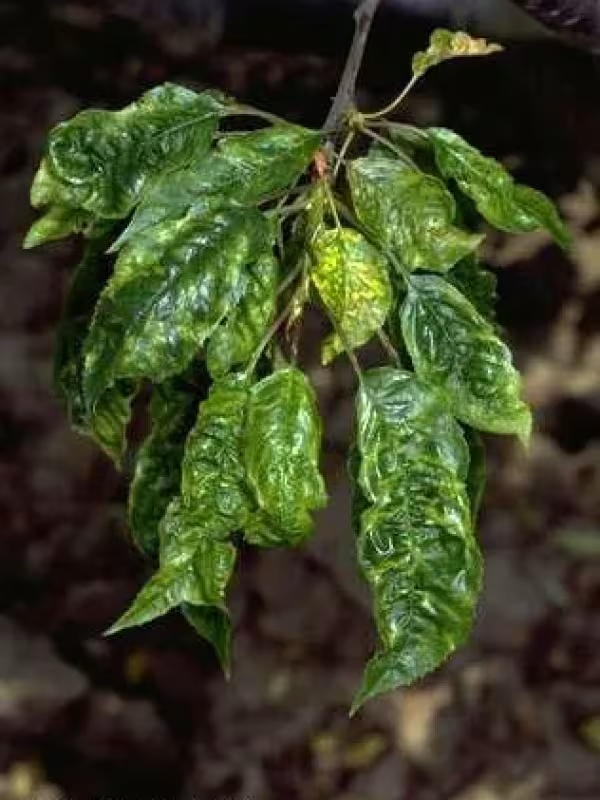
Description
Symptoms
The primary symptom is the pathological transformation of the bark, which becomes coarse, thickened, and develops a cork-like texture. Numerous cracks and fissures appear on the trunk and primary branches.
Affected bark areas often begin to peel off in flakes or plates, revealing the damaged tissue underneath. Unlike natural aging, this process can occur prematurely and affect even relatively young trees.
Visually, the bark appears uneven and rough, often showing necrotic spots of brown or dark coloration. These symptoms tend to progress over time, expanding from small areas to larger sections of the tree.
The disease leads to reduced overall vigor, manifested by poor shoot growth and weakened foliage development. In some cases, leaves may yellow prematurely as the tree struggles to transport water and nutrients efficiently.
Over time, the compromised bark surface serves as a habitat for secondary pests and various pathogens. This creates a complex disease scenario that can further degrade the tree’s health and structural integrity.
Pathogen
Cherry bark roughness is often attributed to a combination of physiological stress and secondary infections. While specific viruses can trigger hormonal imbalances, many cases are linked to non-infectious causes.
Fungal pathogens often colonize the damaged bark tissue, feeding on necrotic material and accelerating the breakdown of the protective layers. These fungi are not always primary, but they play a significant role in disease progression.
Physiological factors, such as improper cambium development, often act as the root cause of the roughness. The tree fails to maintain a uniform growth rate, resulting in the irregular expansion and splitting of the bark.
Genetic factors also play a critical role, as some cherry varieties are naturally more susceptible to bark splitting and roughness. The structural composition of the bark varies, affecting the tree's resilience to stress.
Bacterial involvement is frequently observed in the advanced stages of the condition. These bacteria thrive in the moisture trapped within the cracks, further exacerbating the tissue damage and weakening the tree.
Conditions for development
Extreme temperature fluctuations during late winter and early spring are the most common triggers for bark roughness. Rapid heating by the sun followed by freezing nights leads to significant tissue stress.
Poor orchard management, including inadequate pruning and nutritional imbalances, significantly increases the risk. A tree lacking essential nutrients is less capable of recovering from environmental damage.
Excessive soil moisture or poor drainage creates unfavorable conditions for the root system, which impacts the health of the entire tree. This physiological stress can manifest as bark disorders in the upper sections.
Over-fertilization with nitrogen can cause excessively rapid growth. The bark may not develop enough strength to match this pace, leading to mechanical ruptures that later develop into rough patches.
The presence of bark-boring insects provides entry points for infection. Any injury to the bark surface acts as a gateway for pathogens, turning simple wounds into areas of permanent roughness.
Why it matters
The disease is dangerous because it disrupts the vascular system of the tree, hindering the movement of essential fluids. This leads to gradual depletion of the tree’s energy reserves and reduced fruit production.
Trees affected by severe bark roughness have significantly lower cold tolerance. This often leads to the death of major branches during the winter, shortening the tree's overall lifespan.
Rough bark serves as a reservoir for spores of various fungal diseases, such as moniliosis. The infected tree becomes a source of inoculum, endangering other healthy plants within the orchard.
The aesthetic decline is significant, making the trees look diseased and poorly maintained. Beyond appearance, the fruit quality often suffers, with yields dropping as the tree’s health wanes.
If left untreated, the disease can cause the cambium layer to die around the entire circumference of the trunk. This results in the inevitable death of the tree, leading to significant economic losses for growers.
Protection
The foundation of control is good agricultural practice, including proper fertilization, irrigation, and pruning. A healthy, vigorous tree is inherently more resistant to environmental stressors.
Regularly painting trunks with whitewash is an essential preventative measure. This reflects the sun's heat during late winter, preventing temperature spikes and reducing the risk of bark splitting.
If roughness appears, carefully clean the affected areas by removing dead bark with a sharp, sterilized tool. Treat the exposed area with copper-based fungicides or appropriate wound sealants.
Implement an integrated pest management program to control insects that damage the bark. By minimizing physical injuries, you drastically reduce the opportunities for pathogen infection.
When establishing a new orchard, select varieties known for their resistance to local climate conditions. Proactive selection and site-specific management are the best ways to ensure a healthy, productive cherry orchard.
Discussion
No discussions yet — be the first.