
Chaetothyriomycetidae
Chaetothyriomycetidae
Description
Symptoms
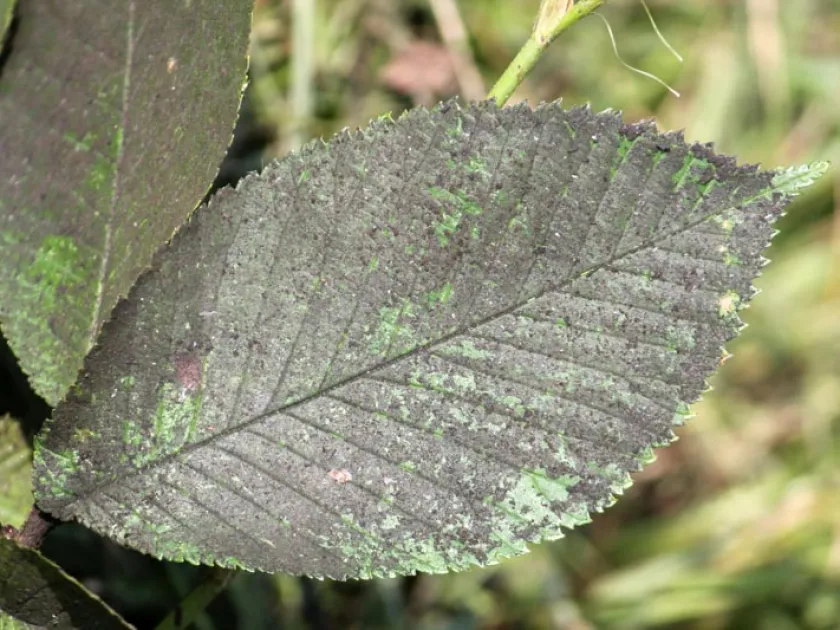
The most distinctive symptom is the formation of a black, soot-like coating on leaves and fruit. While this layer can be wiped off, it frequently reappears as long as the insect population persists.
Under a microscope, the growth appears as a dense network of dark hyphae. As the colony matures, it becomes thicker and more velvet-like, covering significant portions of the foliage.
Fruits affected by sooty mold lose their aesthetic appeal and market value. Dark spots on the surface make the harvest unattractive and often lead to rejection during the sorting process.
Affected plants often display signs of stress, including stunted growth and yellowing of the leaves. In severe cases, the foliage may drop prematurely, negatively impacting the tree's overall vigor.
- Black soot-like film on leaves
- Sticky honeydew residue on plant surfaces
- Reduced photosynthesis due to light blocking
- Premature fruit drop and quality decline
Pathogen
Chaetothyriomycetidae is a subclass of ascomycetous fungi that includes numerous species responsible for causing sooty mold on plants. These fungi are common pathogens in agricultural and horticultural settings.
These fungi are epiphytic, meaning they live on the surface of leaves, fruits, and stems rather than invading internal tissues. They rely on external nutrient sources to survive and colonize the host plant.
The primary source of nutrition for these fungi is honeydew, a sugary substance secreted by phloem-feeding insects such as aphids, scale insects, and whiteflies. Without these insects, the fungi struggle to establish.
The mycelium of these fungi is characterized by a dark, almost black appearance due to high levels of melanin. This pigment provides the fungi with excellent protection against environmental stress.
Reproduction occurs via spores which are spread by wind, splashing rain, or contact with insects. This method of dissemination allows the fungi to quickly infest entire orchards during the growing season.
Conditions for development
High humidity and mild temperatures are the primary environmental drivers for the development of sooty mold. Stagnant air within dense canopies creates the perfect microclimate for fungal growth.
The presence of sap-sucking insects is the most critical biological factor. The fungi require the sugar-rich honeydew to grow, making insect control a major component of disease management.
Poor orchard hygiene, such as failing to prune trees effectively, prevents proper air circulation. This lack of airflow traps moisture and allows the fungi to thrive unchecked during the warmer months.
The disease usually peaks in mid-to-late summer when insect populations are at their highest and weather conditions provide enough humidity for consistent fungal spread.
Over-fertilization with nitrogen can exacerbate the issue by producing lush, tender foliage that attracts more pests, thereby creating more food for the sooty mold fungi.
Why it matters
The primary harm caused by these fungi is the inhibition of photosynthesis. The dark, dense layer of mycelium blocks sunlight from reaching the leaf surface, preventing the plant from producing energy.
Additionally, the fungi can block plant stomata. This restricts gas exchange, forcing the plant to struggle with respiration and further reducing its metabolic efficiency and growth potential.
Economic losses are significant due to decreased fruit quality. Affected produce is often unsellable, and the overall plant health decline reduces yields in subsequent growing seasons.
Trees weakened by sooty mold are more susceptible to secondary infections and winter damage. The physiological stress caused by the lack of nutrients and sunlight weakens the plant's immune system.
The management of sooty mold requires additional labor and chemical inputs, which increases the total cost of production and impacts the profitability of fruit-growing operations.
Protection
The most effective strategy is the rigorous control of sap-sucking insects. By eliminating the source of honeydew (aphids, scales, etc.), you effectively starve the fungi and prevent their establishment.
Regular pruning of trees is essential to improve airflow and reduce humidity within the canopy. A well-managed tree structure is far less susceptible to fungal colonization.
The application of copper-based fungicides can help suppress fungal growth. These treatments are best applied in early spring or autumn to clean the surfaces of branches and stems.
Good agricultural practices, such as balanced fertilization and proper irrigation, maintain the tree's health and vigor. A healthy plant can better withstand the pressure of fungal infections.
In cases of heavy infestation, systemic fungicides may be necessary to eradicate the mycelium. These products penetrate the plant or provide a long-lasting barrier to stop the spread of the disease.
Discussion
No discussions yet — be the first.