
Chaetopsis
Chaetopsis
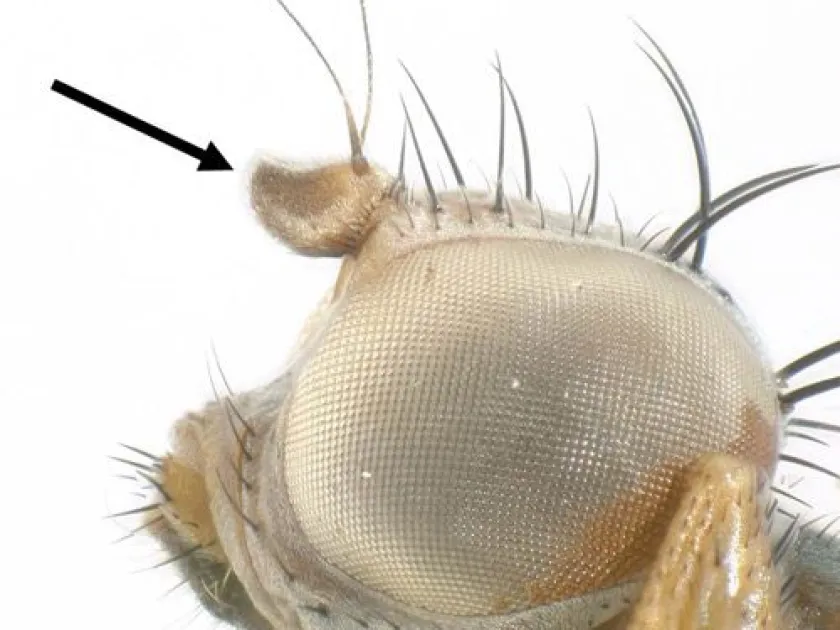
Description
Symptoms
The first external sign of infestation is often the yellowing and wilting of the central leaf of young cereal shoots.
Internal examination of the stems reveals galleries or tunnels created by the larvae, which disrupt the plant's vascular system.
In mature plants, infestation manifests as deformed heads or partial sterility, often referred to as "white heads" in the field.
The plants may exhibit stunted growth and an irregular appearance, making it easy to spot patches of affected crops in a field.
Severe infestation frequently leads to lodging, as the integrity of the stem base is compromised by larval activity.
Pathogen
Chaetopsis is a genus of picture-winged flies (Ulidiidae) that causes significant damage to various agricultural crops, particularly cereals.
These insects are classified as pests because their larvae bore into the stems or infest the seed heads of developing plants.
The biology of Chaetopsis involves several developmental stages, starting from eggs laid by females on susceptible plant tissues.
Once the larvae hatch, they immediately begin feeding on the plant, which is the primary cause of physiological stress in the crop.
These flies have adapted to agricultural environments, making them a recurring challenge for producers in various regions.
Conditions for development
Warm and humid weather conditions are ideal for the rapid development and propagation of Chaetopsis populations.
Cropping systems that lack proper crop rotation are highly susceptible to high pest pressure from year to year.
Leaving crop residues or stubble in the field after harvest provides a habitat for the pests to survive and complete their life cycles.
Reduced tillage practices may inadvertently preserve pupae in the topsoil, facilitating higher infestation rates in the following spring.
Early-season drought stress can exacerbate the impact of the pest, as plants struggle to recover from the damage inflicted by the larvae.
Why it matters
The most significant economic damage is the direct loss of grain yield due to reduced plant vigor and damaged reproductive organs.
Grain quality is often downgraded due to lower test weights and the presence of shriveled seeds caused by poor nutrient flow.
Secondary infections by pathogens, such as fungi or bacteria, frequently enter through the wounds caused by the feeding larvae.
Increased field maintenance costs and the need for chemical interventions directly impact the profitability of the grain production.
Over time, persistent infestations lead to a decline in soil productivity and loss of potential harvest value for the farmer.
Protection
Adhering to a robust crop rotation plan is the most effective way to break the life cycle of Chaetopsis and reduce its population.
Deep plowing in the autumn helps to bury pupae, preventing the emergence of adult flies in the following growing season.
Chemical control using systemic insecticides is necessary when monitoring indicates the population of adult flies has reached the economic threshold.
- Regular field monitoring using yellow sticky traps.
- Strategic weed management to remove alternative hosts.
- Seed treatment with insecticides to protect young seedlings.
Optimizing sowing dates to avoid the peak flight period of the adult flies is a crucial preventative measure for modern cereal management.
Discussion
No discussions yet — be the first.