
Ceriporia excelsa
Ceriporia excelsa
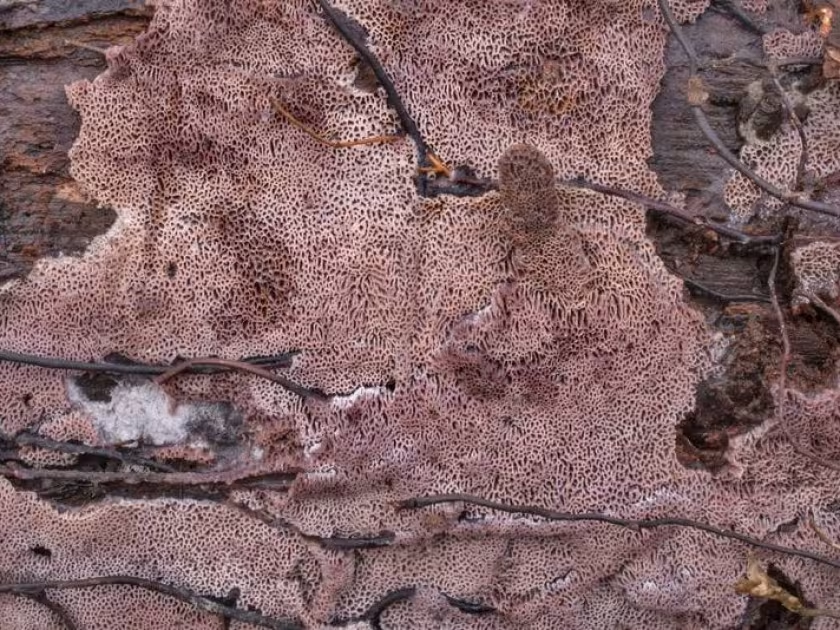
Description
Symptoms
The earliest signs of infestation include a noticeable change in the color and texture of the wood. Infested tissues soften and lose their natural hardness as the chemical components of the cell walls are broken down.
White, sheet-like mycelial mats often develop on the surface of the wood. These mats may vary in density depending on the moisture content of the substrate and the stage of fungal growth.
Internal wood tissue becomes fibrous and spongy as the decay progresses. In advanced stages, the wood loses its structural integrity and can be easily broken or crushed by hand.
Bark separation from the wood surface is a common secondary symptom. Beneath the bark, extensive mycelial growth is often visible, accompanied by a distinct smell of decaying wood material.
The formation of visible, flat, waxy fruiting bodies on the surface of logs, stumps, or fallen branches signifies that the fungus has reached a mature stage of its development and is actively sporulating.
Pathogen
Ceriporia excelsa is a wood-decay fungus belonging to the Phanerochaetaceae family within the Basidiomycota phylum. This pathogen functions as a saprotroph, specializing in the decomposition of woody debris and dead timber.
The fungus is known to cause white rot, a form of decay where the pathogen utilizes specialized enzymatic complexes to degrade both lignin and cellulose. This process transforms solid wood into a fibrous and structurally compromised material.
The fruiting bodies of Ceriporia excelsa are typically resupinate, meaning they grow flat against the surface of the substrate. They often exhibit a waxy or membranous texture and range in color from white to creamy or yellowish.
The fungal life cycle involves the production and release of spores, which are disseminated primarily by wind currents. These spores easily colonize wounds, exposed timber, or dead wood in forest environments.
While playing an essential role as a decomposer in natural ecosystems, Ceriporia excelsa is considered a significant pathogen in forest management and the timber industry due to its aggressive wood-decaying capabilities.
Conditions for development
High humidity and moisture content are the primary environmental requirements for the development of Ceriporia excelsa. The fungus thrives in wood with moisture content exceeding 30-40 percent.
Moderate temperatures during the spring and summer seasons provide the most favorable conditions for rapid mycelial expansion. The fungus prefers shaded, damp environments where moisture is consistently available.
Physical injuries, such as logging damage, pruning wounds, or deep cracks in the bark, serve as entry points for the pathogen to establish itself within the healthy tissues of a tree.
Poor ventilation within timber stockpiles or dense, unmanaged forest stands creates a microclimate characterized by high humidity and stagnant air, which is highly conducive to fungal outbreaks.
The presence of weakened trees due to insect activity or environmental stress increases the susceptibility of the stand to colonization by this wood-decaying organism.
Why it matters
The primary economic impact of Ceriporia excelsa is the rapid degradation of valuable timber. This leads to substantial financial losses for the forest industry and wood processing businesses.
Decayed wood loses its mechanical strength and durability, rendering it unsuitable for construction, furniture manufacturing, or other structural applications.
In forest ecosystems, the fungus acts as a secondary pathogen, accelerating the decline of already stressed trees and transforming them into primary sources of infectious spores for the surrounding stand.
The presence of this fungus necessitates costly sanitary interventions, including the removal and disposal of infected materials to prevent further spread within the managed area.
Rapid wood degradation during storage can destroy large volumes of lumber in a single season if moisture control and storage standards are not strictly maintained.
Protection
The cornerstone of disease management is strict forest sanitation, which includes the prompt removal of fallen timber, logging debris, and stumps that harbor the pathogen.
To prevent decay in stored timber, it is crucial to dry wood rapidly to moisture levels below 20 percent. This creates an environment where the fungus cannot grow or reproduce effectively.
Applying wood preservatives or antiseptic treatments to fresh saw-cuts and log ends provides an essential barrier against spore infection during the harvesting and storage process.
Proper stacking techniques that ensure airflow around logs are vital. Elevating logs on supports helps maintain low moisture levels and reduces the risk of fungal colonization.
Regular monitoring of forest stands and immediate removal of trees showing early signs of decay are effective strategies for containing outbreaks and maintaining the overall health of the forest.
Discussion
No discussions yet — be the first.