
Cercoseptoria leaf spot
Cercoseptoria
Description
Symptoms
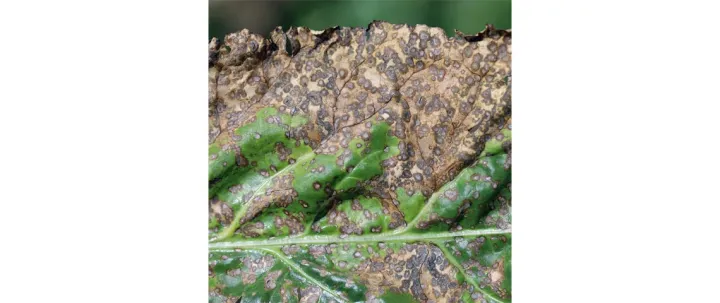
The primary symptom of Cercoseptoria infection is the appearance of distinct leaf spots, which often vary in shape depending on the host plant species. Typical spots have a light-colored necrotic center surrounded by a darker border.
As the infection progresses, the necrotic tissue may become brittle, leading to the formation of small holes in the leaves. Tiny black specks, representing the fruiting bodies of the fungus, can often be observed within the lesions.
Severe infestations lead to premature yellowing, browning, and senescence of the leaves. This significantly reduces the plant's overall leaf area and vitality.
Lesions can also appear on stems, petioles, and occasionally fruit. These lesions often manifest as elongated streaks or blotches that can weaken the structural integrity of the plant.
Field diagnosis relies on recognizing the characteristic pattern of the spots, though microscopic verification is often required to confirm the presence of Cercoseptoria spores.
Pathogen
The disease is caused by fungi of the genus Cercoseptoria, which are members of the hyphomycetes group. These pathogens are known for their efficient dispersal mechanisms and ability to adapt to diverse environments.
The fungus overwinters as mycelium or pycnidia on crop residues left in the field. As temperatures rise in the spring, the pathogen begins its reproductive cycle, producing spores that initiate primary infections.
The pathogen infects plants by penetrating through stomata or physical wounds in the epidermal tissue. Once inside, the hyphae spread through the leaf tissue, disrupting nutrient transport and photosynthesis.
Spore dissemination is primarily mediated by wind and rain splash, enabling the disease to spread rapidly across large fields during periods of high precipitation.
The biological longevity of the fungus in soil and debris makes it a persistent threat that requires integrated pest management strategies to effectively reduce the disease pressure.
Conditions for development
Cercoseptoria thrives under conditions of high humidity and moderate temperatures, typically ranging from +18°C to +25°C. These conditions are optimal for spore germination and infection.
Frequent rainfall, heavy morning dew, and persistent fog create a microclimate that promotes rapid disease development. Dense canopy structures also help maintain high humidity levels, further favoring the fungus.
Improper crop rotation allows the pathogen to survive in the soil from one season to the next, significantly increasing the probability of outbreaks in subsequent years.
Poor field hygiene, specifically leaving infected crop debris on the surface, provides a continuous reservoir of inoculum for future infections.
Environmental stress, such as nutrient deficiencies or water stress, can weaken the plant's natural defense mechanisms, making it more susceptible to colonization by the pathogen.
Why it matters
The economic impact of the disease stems from the significant reduction in photosynthetic capacity, which directly correlates to decreased yields and poor quality of the harvested produce.
In cereal crops, heavy infection during the grain-filling stage can lead to shriveled grains and reduced test weight, negatively affecting market value.
The premature loss of foliage shortens the effective growing period of the crop, preventing the plant from reaching its full physiological potential for biomass accumulation.
For vegetable and fruit crops, lesions can cause cosmetic damage that renders the product unsellable, as well as reduced shelf life due to secondary infections that often follow.
Chronic infections weaken the overall health and vigor of the plants, increasing their vulnerability to secondary pests and environmental extremes like winterkill.
Protection
Effective management begins with the use of disease-resistant varieties, which provide the best defense against infection and can significantly reduce the need for chemical intervention.
Cultural practices are essential, starting with deep tillage to bury crop residues, thereby accelerating their decomposition and removing the primary source of the fungus.
- Maintaining a minimum 3-year crop rotation.
- Removing weeds that may act as alternative hosts for the pathogen.
- Managing plant density to improve air circulation and canopy drying.
- Applying preventive fungicide treatments based on disease monitoring.
Chemical control involving systemic fungicides, such as triazoles or strobilurins, is effective if applied at the first sign of symptoms to halt the spread of the disease.
Integrated strategies should emphasize rotating chemical classes to prevent the development of fungicide resistance in the fungal population, ensuring long-term disease management success.
Discussion
No discussions yet — be the first.