
Chrysanthemum virus B
Carlavirus betachrysanthemi
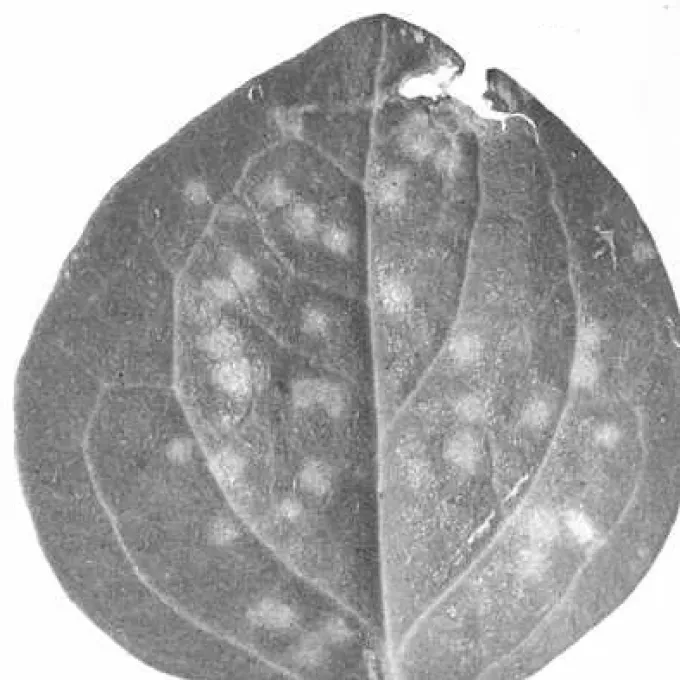
Description
Symptoms
Symptoms of Chrysanthemum virus B (CVB) are often mild or asymptomatic, making field diagnosis quite challenging for growers.
Visible signs may include faint mosaic patterns, chlorotic mottling, or light veinal clearing on the leaves of the host plants.
In certain susceptible cultivars, infection may result in leaf distortion, stunting of the overall plant, and reduction in flower size.
The severity of symptom expression is highly dependent on both the specific host genotype and the environmental conditions under which the plant is grown.
Laboratory techniques such as ELISA (Enzyme-Linked Immunosorbent Assay) or RT-PCR are necessary to confirm the presence of the virus.
Pathogen
The causal agent is Chrysanthemum virus B, a member of the Carlavirus genus within the Betaflexiviridae family.
It consists of flexuous filamentous particles containing a positive-sense single-stranded RNA genome protected by a capsid protein.
The virus is primarily transmitted by aphids in a non-persistent manner, meaning they acquire and transmit the virus during brief probes.
Propagation of infected vegetative cuttings is the most significant pathway for the long-distance spread of the virus within the horticulture trade.
Mechanical transmission via sap contact during handling, pruning, or pinching is another common method of secondary spread in greenhouses.
Conditions for development
Greenhouse environments with high plant density are ideal for the rapid spread of the virus if aphid populations are left unchecked.
The presence of susceptible host plants in close proximity allows the virus to circulate efficiently through insect vectors.
Inadequate sanitation protocols regarding tools and equipment facilitate the accidental transmission of the virus from infected to healthy plants.
The introduction of infected asymptomatic planting material remains the most critical factor in the introduction of CVB into clean production systems.
Climatic factors that favor aphid reproduction and activity significantly increase the risk of an outbreak in production facilities.
Why it matters
Infection with CVB causes gradual cultivar degradation, leading to poor plant vigor and declining aesthetic value over time.
The economic impact includes the loss of product quality, decreased production yields, and the potential for complete rejection of nursery stock.
The virus causes systemic infection, which means that once a plant is infected, it remains a source of inoculum for the rest of its life.
CVB can weaken the plant, making it more susceptible to environmental stressors and secondary colonization by other opportunistic pathogens.
Management costs increase significantly due to the need for rigorous pest control and the necessity of destroying symptomatic plants.
Protection
The most effective strategy is to start with virus-free stock, ideally produced through tissue culture techniques and certified clean.
Integrated Pest Management (IPM) programs must be strictly implemented to maintain aphid populations at levels near zero.
All gardening tools and equipment must be disinfected frequently to avoid cross-contamination between different batches of chrysanthemums.
Regular visual inspections and strict rouging (removal and destruction) of any plants displaying signs of virus infection are crucial for containment.
Implementing effective quarantine and isolation procedures for new incoming plant material is essential to prevent the entry of the virus.
Discussion
No discussions yet — be the first.