
Cape disease
Cape St Paul wilt phytoplasma
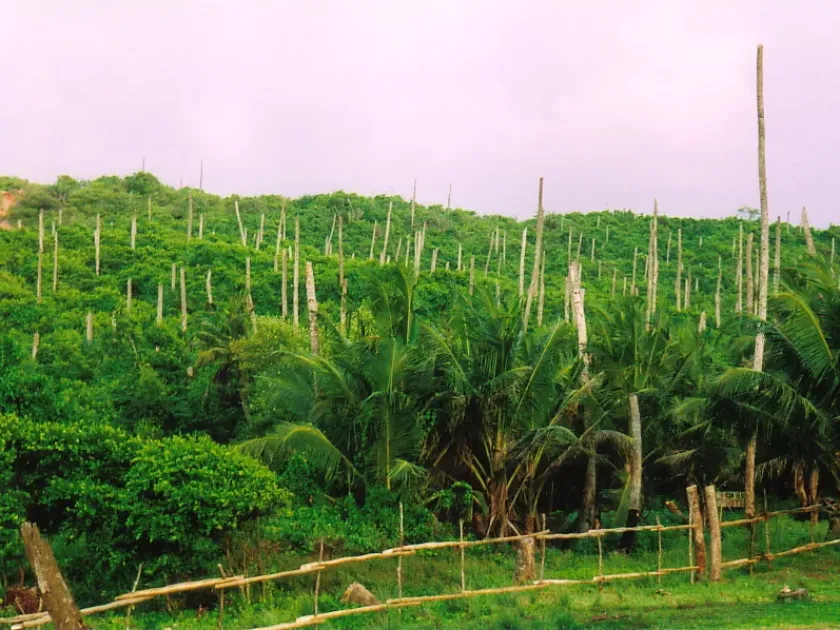
Description
Symptoms
The first symptoms are small chlorotic spots that eventually develop into brown or dark lesions. These spots are often surrounded by a distinct halo, which is a sign of tissue necrosis.
The emergence of pycnidia, appearing as tiny black dots within the lesions, is a characteristic diagnostic feature. This indicates the active sporulation phase of the fungus on the leaf surface.
As the infection advances, individual lesions coalesce to form large necrotic areas. This leads to the premature senescence and shedding of leaves, which drastically affects the plant's development.
Elongated lesions or ulcers may appear on stems and petioles, weakening the structural support of the plant. In severe cases, this causes lodging or breakage under wind pressure.
Fruit and seed surfaces may also exhibit spotting or discoloration, significantly lowering their market value. Severely infected seeds often show reduced germination rates and weakened seedling vigor.
Pathogen
The causative agent of this disease is a fungus from the genus Stagonospora. This pathogen typically invades host tissues through stomata or mechanical lesions, initiating a breakdown of the plant's structural integrity.
The pathogen is capable of surviving for several years on infected crop residues or within the soil, serving as a primary source of inoculum for subsequent growing seasons. Its mycelium spreads rapidly through intercellular spaces.
The life cycle includes both asexual and sexual reproduction stages, which allows the fungus to adapt to different environmental conditions. The production of conidia facilitates effective dissemination over wide areas.
The fungus actively depletes the host plant's nutrients, disrupting essential metabolic processes such as photosynthesis. This depletion forces the plant into a state of stress, significantly reducing its growth potential.
Systemic colonization of the vascular system leads to the obstruction of water and nutrient transport. This interference causes wilting and chlorosis in parts of the plant distant from the primary infection site.
Conditions for development
Optimal conditions for infection include prolonged rainfall and high humidity levels. The presence of water film on foliage is essential for spore germination and successful colonization by the fungus.
The pathogen thrives in temperate climates, with temperatures between 18°C and 25°C being most favorable for its rapid development. Rapid transmission occurs during periods of frequent fog or high dew.
High planting density contributes to poor air circulation, creating a stagnant microclimate that encourages fungal growth. Dense canopies trap moisture, extending the period available for the fungus to infect.
Failure to implement crop rotation results in a high build-up of fungal inoculum in the soil. This cycle is hard to break without removing the debris or leaving the field fallow for a period.
Wounds caused by insect pests or mechanical equipment provide easy access for the fungus. These entry points significantly increase the susceptibility of the crop to widespread infection.
Why it matters
The primary impact of the disease is a substantial loss in yield due to the destruction of leaf area. A reduction in photosynthetic capacity limits the plant's ability to fill grains or produce healthy fruits.
Reduced quality of the harvest leads to economic losses, as infected products are often rejected for sale. Fresh market produce is particularly sensitive to these cosmetic and structural defects.
Infected crops are more susceptible to other stressors, leading to reduced overall productivity. This compounding effect can lead to total crop failure in highly sensitive commercial varieties.
The cost of managing the disease is significant, involving frequent applications of fungicides and additional monitoring. These operational expenses increase the total cost of production per unit.
Infected seeds can harbor the pathogen, leading to diseased seedlings in the next season. This necessitates the use of seed treatments or the disposal of infected seed lots to maintain crop health.
Protection
Crop rotation is the most effective cultural practice to manage the disease, as it prevents the buildup of soil-borne inoculum. Alternating with non-host crops is essential for breaking the infection cycle.
Good field hygiene, including the removal and deep burial of infected debris, significantly reduces the primary source of spores. Keeping the surrounding areas free of weeds that may host the fungus is also vital.
Chemical control involves the timely application of fungicides, specifically targeting the early stages of disease development. It is crucial to rotate chemical classes to prevent the development of resistant strains.
Utilizing resistant or tolerant cultivars is the most sustainable strategy for long-term disease management. Breeding programs often focus on incorporating these resistance genes into commercially viable varieties.
Optimizing plant nutrition, especially maintaining proper phosphorus and potassium levels, improves overall plant health and resilience. A well-nourished plant is more capable of defending against fungal invasions.
Discussion
No discussions yet — be the first.