
Silkworm
Bombyx mori
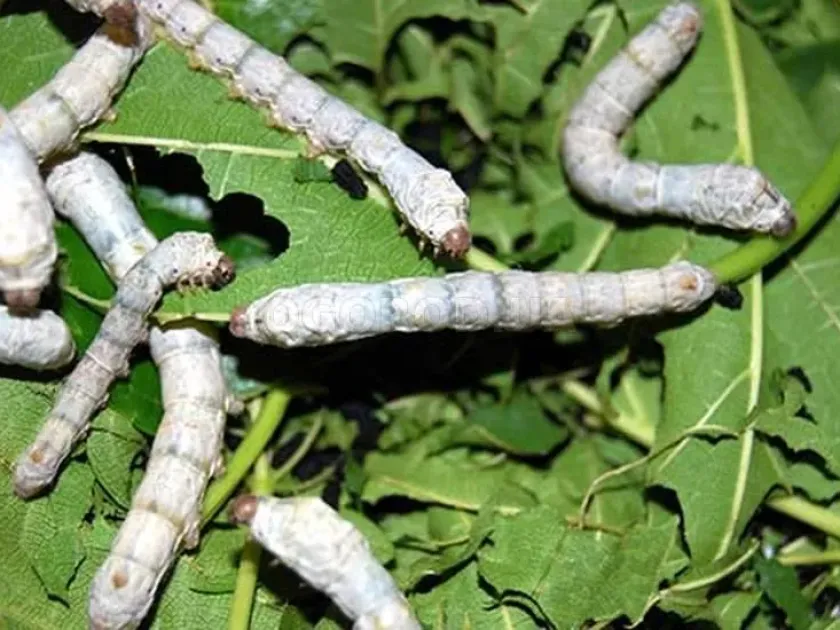
Description
Pathogen
The silkworm (Bombyx mori) is not a plant disease or a pathogen. It is a domesticated insect, the larva of the silk moth, belonging to the family Bombycidae.
The species has been selectively bred for thousands of years, resulting in a total loss of the ability to fly or survive in the wild without human intervention.
The life cycle consists of four distinct stages: egg, larva (caterpillar), pupa, and adult (moth). Each stage requires specific care for successful silk production.
During the larval stage, the caterpillar feeds exclusively on mulberry leaves, passing through five growth stages (instars) before starting to spin its cocoon.
Its economic importance is linked to the commercial production of silk, which is extracted from the protein fibers that the larva produces during pupation.
Conditions for development
Successful silkworm development requires a strictly controlled environment, typically maintaining temperatures between 23°C and 25°C with 70–75% humidity.
Quality feed is paramount, as the larvae depend entirely on fresh, clean mulberry leaves for their nutritional intake and growth development.
The rearing rooms must be kept clean, well-ventilated, and free from pests or pathogens that could compromise the health of the entire batch of larvae.
Overcrowding must be strictly avoided during the fifth instar, as it increases the risk of rapid disease transmission among the population.
Proper cocooning structures must be provided for the mature caterpillars to spin their cocoons efficiently without unnecessary stress or contamination.
Why it matters
The silkworm is not a crop pest. It does not damage plants, as its rearing is carefully managed in controlled indoor environments rather than in open fields.
Potential risks are restricted to internal diseases of the silkworm, such as pébrine, which can be devastating for commercial sericulture operations.
If not carefully managed, these diseases can spread rapidly throughout the facility, resulting in the total loss of the batch and economic failure.
The primary concern for farmers is protecting the insects from bacterial, viral, and fungal infections that thrive in the humid environments preferred by the larvae.
Economic damage is defined by the inability to harvest healthy cocoons, which is a direct consequence of poor hygiene or failure in the rearing process.
Protection
Control methods in sericulture focus on disease prevention and the maintenance of optimal environmental conditions for the health of the insect population.
- Sourcing certified disease-free eggs (grain) from reputable producers.
- Rigorous sanitation practices, including chemical disinfection of all equipment and rooms.
- Monitoring larvae daily for symptoms such as lethargy, discoloration, or abnormal movement.
- Ensuring that the mulberry leaves used for feeding are free from pesticide residues or pollutants.
- Maintaining constant temperature and moisture control to reduce physiological stress on the caterpillars.
Discussion
No discussions yet — be the first.