
Bionectria ochroleuca
Bionectria ochroleuca
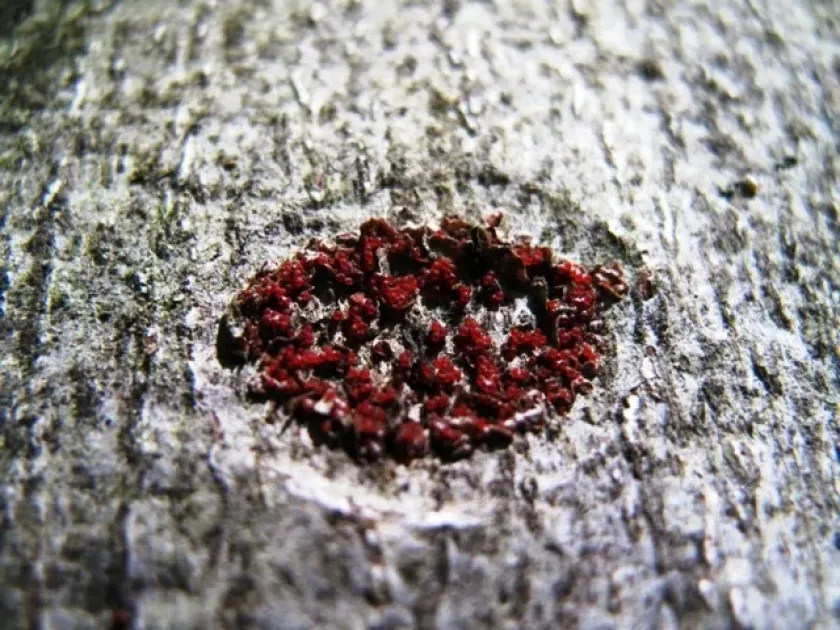
Description
Symptoms
The primary symptom of infection is the development of localized necrotic spots on various plant parts, such as stems, roots, or fruit. These spots often progress into sunken, soft rot lesions.
Under high-humidity conditions, the surface of infected tissues often develops a fuzzy, whitish to yellowish-pink mycelial growth or sporulation mat, characteristic of the fungus.
Root system infections often manifest as a dark discoloration of the roots, leading to a loss of vigor, wilting of the foliage, and eventual stunted growth or plant death.
In fruit-bearing crops, the infection frequently appears as circular, depressed spots that rapidly expand, leading to complete fruit decay and degradation of the internal flesh.
Seedlings are particularly vulnerable, often displaying damping-off symptoms, where the base of the stem becomes brown and necrotic, resulting in the sudden collapse of the young plant.
Pathogen
The fungus Bionectria ochroleuca is an ascomycete within the order Hypocreales. Its anamorph, widely recognized in microbiological literature, is Clonostachys rosea (formerly Gliocladium roseum).
This pathogen is a ubiquitous soil-borne fungus that occupies a broad ecological niche. It can function as a saprotroph, a necrotrophic pathogen, or an endophyte depending on host susceptibility and environmental conditions.
The fungal mycelium is highly adaptable, allowing it to colonize diverse organic substrates. It reproduces primarily through the production of conidia, which are easily disseminated by wind, water splashes, and agricultural implements.
As a pathogen, it secretes a range of cell-wall-degrading enzymes, including cellulases and pectinases, which are essential for the degradation of plant tissues during the infection process.
Due to its versatile biological nature, Bionectria ochroleuca is considered a complex organism in agricultural systems, sometimes even being used in biological control research against other plant pathogens.
Conditions for development
High relative humidity and consistent moisture are the most critical factors driving the development and spread of Bionectria ochroleuca in cultivated crops.
Optimal temperatures for the growth and sporulation of the fungus generally range from 20°C to 28°C, making it particularly problematic in sheltered environments like greenhouses.
Poor field hygiene, such as leaving crop debris from previous seasons on the soil surface, allows the pathogen to persist and serve as a primary source of inoculum for subsequent plantings.
Crowded planting densities that restrict airflow and increase humidity within the canopy create an ideal microclimate for the fungus to establish itself and proliferate.
Injuries to the plant epidermis caused by insect feeding, pruning wounds, or mechanical handling significantly increase the likelihood of successful infection by fungal spores.
Why it matters
Bionectria ochroleuca causes significant economic losses across various agricultural sectors, including greenhouse vegetables, ornamental plants, and some cereal crops.
The disease can cause widespread seedling mortality, requiring significant additional costs for replanting and management during the critical early stages of crop development.
Infected fruits and vegetables often suffer from post-harvest rot, significantly reducing shelf life and marketability, which can lead to large losses during storage and transportation.
The systemic nature of the infection in some plants leads to severe physiological stress, which reduces the overall yield and affects the quality of the harvested produce.
The pathogen's ability to survive in the soil means that once a field or greenhouse is infested, it requires intensive and costly management programs to minimize ongoing impact.
Protection
Effective management begins with strict crop rotation and avoiding the planting of susceptible species in the same soil for several consecutive growing seasons.
Sanitation is paramount; all diseased plant material and organic debris must be removed from the field or greenhouse and destroyed to reduce the primary inoculum level.
Managing the greenhouse climate by maintaining proper ventilation, reducing humidity, and ensuring adequate spacing between plants is essential to suppress fungal activity.
The use of certified, disease-free seed and high-quality transplants helps ensure that the crop starts in a healthy condition, reducing the risk of early infections.
- Application of appropriate fungicides when weather conditions favor disease spread.
- Usage of biological control agents, such as Trichoderma species, to suppress pathogen growth in the soil.
- Careful handling of plants to minimize mechanical wounds that serve as entry points for the fungus.
Discussion
No discussions yet — be the first.