
Bionectria
Bionectria
Description
Symptoms
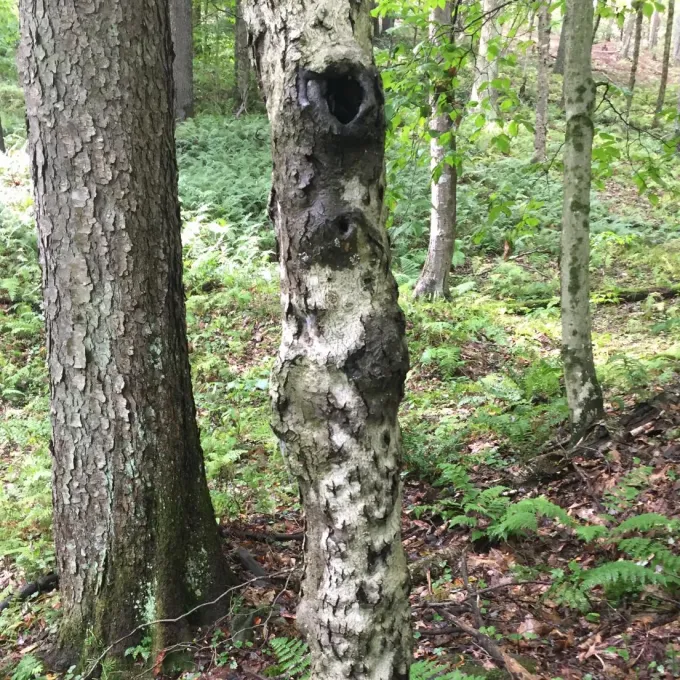
Bionectria infection typically manifests as necrotic lesions on the bark of trees and shrubs, which eventually lead to deep cracking of the affected areas.
Characteristic signs include the appearance of small, reddish or orange fungal fruiting bodies that emerge from the bark, often clustered in groups.
As the infection advances, the tissues underneath the bark die, causing visible wilting of twigs and sometimes the total decline of entire branches.
Internal wood samples from infected areas often reveal internal discoloration, showing that the fungal mycelium has penetrated deep into the plant's vascular system.
Gummosis, or the oozing of sap from cracks in the bark, is another common symptom observed during the active stages of the disease.
Pathogen
The disease is caused by fungi of the genus Bionectria, members of the Ascomycota phylum, which are often classified as opportunistic necrotrophic pathogens.
The pathogen primarily enters plants through wounds caused by pruning, frost damage, sunscald, or mechanical injuries to the bark surface.
These fungi are highly resilient and can persist in decaying wood, twigs, or fallen debris for extended periods, serving as a source for future outbreaks.
Dissemination occurs via spores, which are effectively dispersed by wind, splashing rain droplets, and agricultural tools that are not properly sanitized.
Bionectria thrives particularly well on host plants that are weakened by environmental stress or poor soil conditions, which compromise their natural defenses.
Conditions for development
High humidity and moisture are the most critical factors for the rapid spread and development of Bionectria infection in horticultural settings.
Moderate temperatures, frequently observed during spring and autumn, provide an ideal climate for the germination of fungal spores on plant surfaces.
Dense planting schemes that prevent airflow and create a microclimate of high moisture around the crown significantly increase the risk of infection.
Inappropriate agricultural practices, such as excessive fertilization, can lead to flaccid growth, making tissues more susceptible to fungal penetration.
Neglected orchards or nurseries with high amounts of dead wood provide an ideal reservoir for the fungus to multiply and spread to healthy specimens.
Why it matters
The primary damage caused by Bionectria is the destruction of cambium and phloem, which disrupts the transport of nutrients and eventually leads to plant death.
Fruit-bearing plants show a significant decrease in productivity as the energy reserves of the plant are redirected to combat the spreading fungal necrosis.
Long-term infection leads to the structural instability of branches, making them prone to breaking under snow loads or during high-wind events.
The disease reduces the overall aesthetic and commercial value of ornamental plants, often resulting in the need to remove entire specimens from the landscape.
Financial losses occur due to decreased yields and the ongoing costs associated with intensive pruning, sanitation, and chemical disease management programs.
Protection
Effective management begins with rigorous sanitation, including the pruning of all infected wood, ensuring cuts are made into healthy, green tissue.
All pruning tools must be disinfected after each cut to prevent the inadvertent mechanical transmission of the pathogen to healthy branches or other plants.
Wounds larger than a certain diameter should be protected with wound sealants or fungicidal pastes to prevent opportunistic colonization by Bionectria.
Preventative applications of copper-based fungicides or other authorized chemicals can protect bark surfaces from spore colonization during vulnerable periods.
- Regular monitoring of orchard health.
- Proper fertilization to boost plant immunity.
- White-washing trunks to prevent sunscald damage.
- Removal and proper disposal of all dead plant matter.
Discussion
No discussions yet — be the first.