
Betapartitivirus septemheterobasidion
Betapartitivirus septemheterobasidion
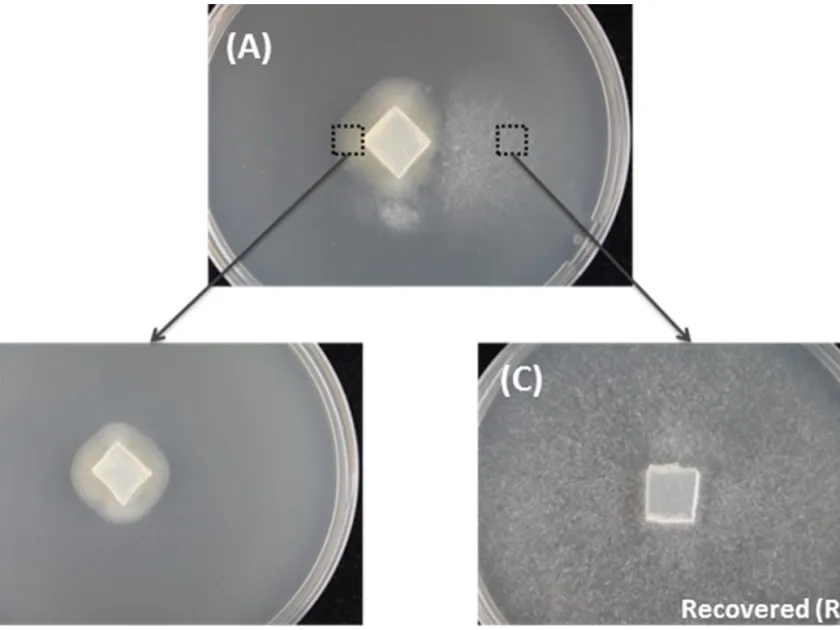
Description
Pathogen
Betapartitivirus septemheterobasidion is a member of the Partitiviridae family, specifically functioning as a mycovirus. It infects the mycelium of the basidiomycete fungus Heterobasidion, which is a major pathogen of coniferous trees.
The viral genome consists of double-stranded RNA. It relies entirely on the fungal host's replication machinery, existing within the cytoplasm of the hyphae.
The virus spreads horizontally between fungal strains through hyphal anastomosis, which occurs when compatible fungal colonies come into contact in the soil or root systems.
Scientific studies focus on the virus as a potential biocontrol agent, as it can interfere with the normal metabolic processes of the host fungus.
The infection process does not require external vectors, as the virus persists within the fungal vegetative tissue indefinitely, passing to daughter cells during division.
Why it matters
The virus is not pathogenic to plants. Instead, its primary impact is on the biology of the root rot pathogen, potentially reducing the host fungus's overall virulence.
By infecting Heterobasidion, the virus can inhibit the growth rate of the fungus and reduce its ability to infect new host trees effectively.
Symptoms in the fungus include reduced mycelial growth, altered pigmentation, and sometimes diminished production of conidia or basidiospores.
This phenomenon, known as hypovirulence, makes the fungus less effective at causing root rot, thereby protecting the forest stand indirectly.
The presence of the virus is beneficial for forest health, as it serves as a natural restraint on the expansion of Heterobasidion populations in the field.
Protection
Control measures are not directed against the virus, as it is considered beneficial for silvicultural practices.
Research is currently ongoing to determine if introducing virus-infected fungal strains into an infected forest plot can successfully limit root rot outbreaks.
Preventative strategies involving this virus rely on biological control methods rather than chemical application, emphasizing ecological sustainability.
Further field trials are necessary to understand the environmental stability and transmission efficiency of the virus under different forest conditions.
Currently, the management of Heterobasidion remains centered on silvicultural practices like stump treatment, with the virus being a supportive biological factor.
Discussion
No discussions yet — be the first.