
Heterobasidion partitivirus
Betapartitivirus piheterobasidion
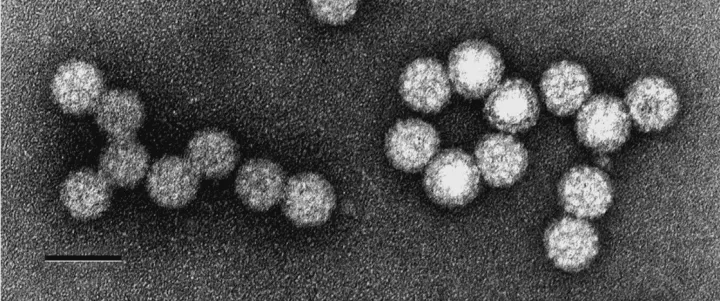
Description
Pathogen
Heterobasidion partitivirus (scientific name Betapartitivirus piheterobasidion) is a mycovirus belonging to the family Partitiviridae, genus Betapartitivirus.
This virus is a biological agent that exclusively infects the fungus Heterobasidion annosum, the causal agent of forest root rot diseases in conifers.
The viral particle contains a genome composed of double-stranded RNA segments. It functions as an obligate parasite of the fungal cells, utilizing the host's cellular machinery for replication.
Transmission occurs horizontally through hyphal anastomosis, allowing the virus to spread between fungal colonies within the root systems of infected trees.
As a mycovirus, it is strictly associated with its fungal host and does not possess mechanisms to infect the trees themselves.
Conditions for development
The development and spread of Betapartitivirus piheterobasidion are contingent upon the density of the host fungus within the root environment.
Environmental factors that support fungal growth, such as moist soil and mild temperatures, indirectly facilitate the spread of the virus among fungal hyphae.
The rate of viral transfer is dependent on the genetic compatibility between different isolates of Heterobasidion, which determines the efficiency of hyphal fusion.
The virus maintains a stable presence within the mycelium, surviving even under conditions that may be suboptimal for the fungus itself.
In forest ecosystems, the virus can persist for long periods, potentially spreading through the soil network as the mycelium grows from tree to tree.
Why it matters
The virus is not harmful to trees; conversely, it induces hypovirulence in its fungal host, Heterobasidion annosum.
Infection results in reduced growth rates of the fungus and a decrease in its pathogenic capabilities, thereby mitigating the severity of root rot disease.
The mycovirus affects the metabolic processes of the fungus, leading to a suppression of the enzymes that enable the fungus to degrade wood tissues.
Consequently, the virus serves as a natural regulator of the fungal population, reducing the damage caused to timber and forest stability.
The impact is specifically targeted at the fungal pathogen, making the virus a significant subject of interest for biological forest management.
Protection
No control measures are directed against this virus because it provides a beneficial effect in forest pathology by suppressing a harmful root pathogen.
Research is currently focused on the potential use of hypovirulent, virus-infected fungal strains for the biological control of Heterobasidion outbreaks.
Standard forestry practices, such as clearing diseased stumps and monitoring pathogen spread, remain the primary defense against root rot infection.
Future agricultural and forestry strategies may integrate mycoviral-based biocontrol, although ecological risks and virus stability must be carefully evaluated.
Ongoing monitoring of viral presence in forest areas helps researchers understand the natural dynamics of pathogen control in the wild.
Discussion
No discussions yet — be the first.