
Heterobasidion betapartitivirus
Betapartitivirus duoheterobasidion
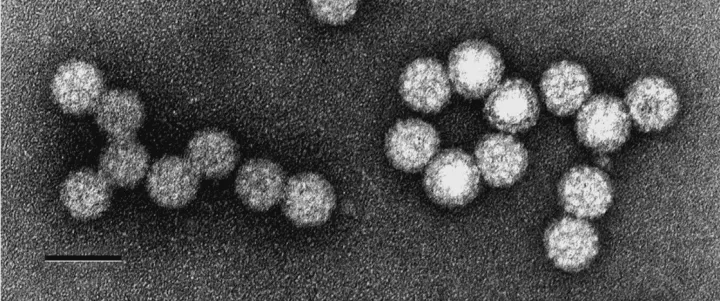
Description
Pathogen
The agent is Betapartitivirus duoheterobasidion, a specific mycovirus within the Partitiviridae family. It primarily infects Heterobasidion annosum, a destructive fungal pathogen of coniferous trees.
The virus consists of double-stranded RNA and resides within the fungal hyphae. It acts as an intracellular parasite that can significantly alter the biological functions of its host, the fungus.
Transmission occurs horizontally through vegetative incompatibility mechanisms such as hyphal anastomosis, allowing the virus to spread throughout fungal colonies.
Many mycoviruses, including this betapartitivirus, maintain long-term relationships with the host fungus, often remaining asymptomatic while influencing the fungus's overall fitness.
Scientific research into this virus involves advanced genomic sequencing to better understand its evolutionary path and its impact on the virulence of the root rot fungus.
Why it matters
The danger is linked to its host, Heterobasidion, which causes severe root and butt rot in coniferous forests, leading to tree mortality and timber degradation.
Infected trees often show signs of decline, such as canopy thinning and resin flow, before eventually succumbing to windthrow or structural failure.
The economic impact on forestry is substantial, as infected stands lose value and require expensive sanitation efforts to curb the spread of the fungal pathogen.
The virus-induced changes in the fungal physiology can sometimes alter the pathogenicity, making it more difficult to predict the development of rot in commercial forests.
Persistent infection in the root system creates lasting centers of contamination that can affect multiple generations of trees planted in the same soil.
Protection
Biological control strategies aimed at using viruses to suppress fungal pathogens are under investigation, but practical application is still in the developmental stage.
Standard prevention measures include the removal of stumps and infected debris, which significantly reduces the survival potential of the root rot fungus.
The application of competitive fungi like Phlebiopsis gigantea on stump surfaces is a proven method to prevent colonization by Heterobasidion, limiting the virus spread.
Silvicultural practices that maintain forest health, such as choosing site-appropriate tree species, are the most effective way to prevent widespread outbreaks.
Ongoing monitoring and diagnostic testing for both the fungus and the associated mycoviruses are essential for modern integrated pest management in forest ecosystems.
Discussion
No discussions yet — be the first.