
Hibiscus betacarmovirus
Betacarmovirus hibisci
Description
Symptoms
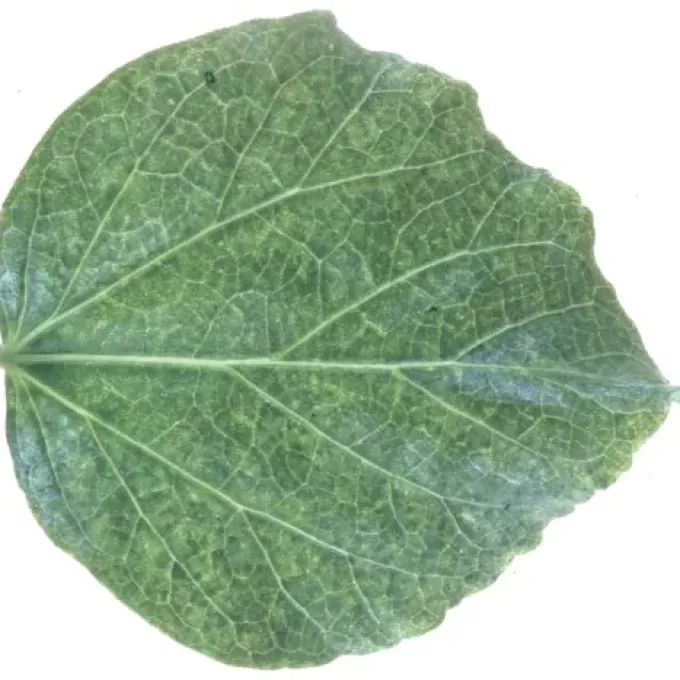
The primary visual symptoms of infection include chlorotic spots or patterns on the leaves. A characteristic mosaic pattern is often observed, manifested by alternating light green and dark green areas on the leaf blade.
Plants infected with the betacarmovirus show noticeable growth inhibition. Internodes become shortened, giving the shrub an atypical "stunted" or dwarf appearance that deviates from the normal growth habit.
Leaves may become deformed, showing waviness, curling at the edges, or becoming asymmetric and uneven. Such structural changes are indicative of severe physiological disruption.
Flowering is significantly impaired when infected with this virus. Buds may be smaller, fail to open completely, or drop prematurely without reaching their decorative stage, which reduces the plant's ornamental value.
- Vein yellowing or net-like patterns on leaves.
- General stunting of vegetative mass.
- Presence of necrotic spots on older foliage.
- Reduced intensity of flower coloration.
Pathogen
Hibiscus betacarmovirus (Betacarmovirus hibisci) is a pathogenic viral agent belonging to the Tombusviridae family. It is a highly specialized pathogen that primarily infects plants of the Hibiscus genus.
This virus is an RNA-based microorganism that reprograms the plant cell metabolism for its own replication. Its high specialization makes it a significant threat to various ornamental hibiscus species and cultivars.
The biology of the pathogen involves disrupting protein synthesis within the host tissues. The infection is systemic, meaning viral particles spread throughout all plant organs via the vascular system, specifically the phloem.
In the natural environment, transmission typically occurs mechanically through damaged tissues, contaminated garden tools, or direct contact between plants. It can also be spread by specific insect vectors in natural ecosystems.
The disease is classified as a systemic viral infection. It cannot be treated with fungicides or antibiotics, as the pathogen integrates into the plant's cellular processes at a genetic level.
Conditions for development
The development and spread of the virus are facilitated by favorable conditions for its vectors. In greenhouse environments, the virus spreads rapidly between plants when planting density is high.
Temperature plays a crucial role: moderately warm weather promotes active replication of viral particles within host cells. During periods of stress caused by temperature fluctuations, the hibiscus immune system is compromised, facilitating viral invasion.
High humidity in the air and soil can indirectly contribute to the development of secondary infections, which further weaken the plant's overall condition and make it more susceptible to the virus.
Presence of weeds near hibiscus plants can act as a reservoir for the virus. Many weeds are asymptomatic carriers from which the virus is transmitted to cultivated plants by wind or insects.
Poor agricultural practices, such as the use of non-sterilized tools during pruning, are key factors in transmitting the infection within artificial cultivation settings.
Why it matters
The harm caused by the hibiscus betacarmovirus lies in the chronic depletion of the plant. The systemic nature of the infection leads to the plant losing its ability to perform photosynthesis efficiently due to chloroplast damage.
Economic damage is manifested in the loss of aesthetic appeal for ornamental plants. Affected specimens become commercially unviable, which is critical for nurseries and greenhouse businesses specializing in floriculture.
Disruption of metabolic processes leads to the gradual dieback of individual branches. If the virus is not contained, the plant may die completely after a few seasons due to persistent physiological stress.
Infected plants serve as a constant source of infection in a garden or greenhouse. They continuously spread the virus, infecting neighboring healthy specimens through leaf contact or shared tools.
The lack of internal curative methods for plant tissues makes this virus extremely dangerous for collections of high-value hibiscus cultivars, where infection of a single specimen leads to the loss of the entire group.
Protection
The primary control method is strict adherence to sanitary protocols. All suspicious plants showing signs of leaf deformation must be immediately removed from the collection and destroyed, preferably by burning.
It is crucial to perform regular disinfection of garden tools. Knives, pruners, and saws should be treated with alcohol-based solutions or potassium permanganate after working with each individual plant to prevent cross-contamination.
Integrated pest management is necessary to control insects that may act as viral vectors. Regular applications of insecticides help reduce populations of aphids and thrips, which are known to transmit such infections.
Sourcing plant material only from certified nurseries with phytosanitary clearance is the most effective preventative measure to keep your garden free from this virus.
Maintaining optimal growing conditions—such as balanced nutrition, adequate light, and proper watering—strengthens the plant’s natural immunity, allowing it to better resist viral colonization and stay healthy longer.
Discussion
No discussions yet — be the first.