
Solanaceous leaf curl virus
Begomovirus solanumpallidicontorsionis
Description
Symptoms
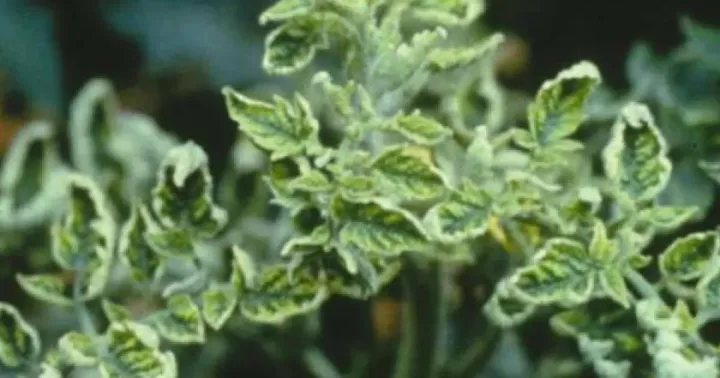
The most distinctive symptom is the upward curling of the leaves, accompanied by significant tissue deformation. Leaves often become leathery and exhibit wavy, distorted margins.
Plants often show chlorotic mosaic patterns and distinct yellowing of the veins. Growth is severely stunted, with shorter internodes leading to a bushy or rosette-like appearance.
When infection occurs at the seedling stage, the plant's development is severely compromised. Flowers may fail to set fruit, or if fruit is produced, it is typically small and unmarketable.
The root system of infected plants is poorly developed, which significantly impacts the plant's ability to take up water and nutrients from the soil, leading to rapid wilting.
Diagnostic identification in the field can be difficult because symptoms can be confused with nutritional deficiencies or physiological stress caused by excessive heat.
Pathogen
The causal agent of this disease is the Begomovirus solanumpallidicontorsionis, which belongs to the Geminiviridae family. These viruses are characterized by their twin (geminate) virion morphology and single-stranded DNA genome.
This is a systemic disease that primarily disrupts the plant's vascular tissue. It is not mechanically transmissible, meaning it does not spread through contact with infected sap or farm tools.
The virus is exclusively transmitted by the whitefly Bemisia tabaci. The insect acquires the virus by feeding on infected host plants, after which it remains a vector for the rest of its life cycle.
Weeds and wild relatives of solanaceous crops serve as primary reservoirs for the virus. During the off-season, these plants maintain the viral population until the next planting season.
The virus exhibits significant genetic variability due to recombination, which poses a continuous challenge to plant breeders attempting to develop resistant cultivars.
Conditions for development
The prevalence of the disease is strictly correlated with the population density of the whitefly vector. Warm, dry weather conditions are highly conducive to the rapid reproduction of the insect.
In greenhouses, the virus can persist throughout the year if integrated pest management (IPM) practices are not strictly enforced to eliminate the whitefly population.
Low-lying areas or regions with abundant weed host populations show a higher incidence of infection due to the constant presence of the virus reservoir.
High temperatures and consistent sunlight promote the spread of the vector, which facilitates the transmission of the virus from reservoir plants to commercial vegetable fields.
Poor ventilation and overcrowding in nursery settings can lead to a rapid secondary spread of the virus among seedlings before they are transplanted to the field.
Why it matters
The virus causes severe economic damage by rendering entire harvests unmarketable. The total loss of fruit weight and quality makes it a devastating pathogen for growers.
Control efforts involve high costs due to repeated insecticide applications, which can also disrupt beneficial insect populations and lead to pest resistance.
The infection destroys the plant's capacity for photosynthesis, resulting in weakened plants that are susceptible to opportunistic pathogens and unfavorable environmental stressors.
If left unmanaged, the virus can spread regionally, potentially making the production of high-value crops like tomatoes and peppers economically unviable.
Seed production from infected plants is not recommended, as the health and vigor of the resulting seeds are significantly compromised by the systemic viral load.
Protection
Management strategies focus heavily on controlling the whitefly vector using a combination of cultural, biological, and chemical methods to break the transmission cycle.
Sanitation practices are essential, including the removal of all solanaceous weeds and crop debris that could harbor the virus or its vector near the growing site.
Screening and exclusion techniques, such as the use of fine-mesh insect nets in greenhouse facilities, provide a physical barrier against whitefly entry.
- Utilizing clean, virus-free certified transplants.
- Monitoring pest populations with yellow sticky traps.
- Implementing rigorous crop rotation to avoid continuous hosting of the pathogen.
- Rogueing infected plants early to reduce the local inoculum source.
Integrated Pest Management programs are vital for sustainable control, minimizing the use of broad-spectrum pesticides while maximizing the efficiency of vector suppression.
Discussion
No discussions yet — be the first.